Rucking on a treadmill vs outside
Rucking on a treadmill vs outside is a common question for people who want to add weighted walking to their routine. Both options work. The choice should match your goals, safety, weather, and available gear. This guide compares the two environments with practical tips, gear notes, and a simple plan to make rucking productive whether you train indoors or outdoors.
Why people choose a treadmill
A treadmill gives control. You can set pace and incline precisely, avoid unsafe routes, and ruck when weather would otherwise cancel a session. Treadmills are ideal for focused calorie work, steady-state conditioning, or progressive overload with timed intervals. For rehab or return-to-walk programming, the treadmill’s predictable surface reduces trip risks and lets you emphasize cadence and load without worrying about terrain.
Why people choose outside
Outside rucking offers variety and functional stressors that a treadmill does not. Uneven ground, wind, and the need to steer, balance, and ascend real hills change muscle recruitment and coordination. Outdoor rucking builds situational fitness and mental resilience. It also tends to be more enjoyable for people who value sunlight, fresh air, and route creativity.
Physiological differences
Aerobic demand is similar at matched speed and grade, but outside rucking increases stabilizer work and energy lost to micro-adjustments. Carrying the same weight outdoors often feels harder. Heat and wind can raise perceived exertion, while shade and cooling breezes lower it. If calorie burn is your metric, both work—small factors like terrain and stop-start walking will change totals.
Practical pros and cons
- Treadmill — Controlled incline, easier tempo intervals, predictable footing.
- Outside — Real-world load handling, better balance and joint variety, exposure to weather.
Safety and injury considerations
Choose the surface that reduces your specific risks. If you are new to weighted vests, start on a treadmill or flat trail until your posture and gait adjust. As load increases, practice transitions and slippery surfaces outside at low weights. Always prioritize footwear, body position, and slow progression of load and time to avoid overuse injuries.
Gear recommendations
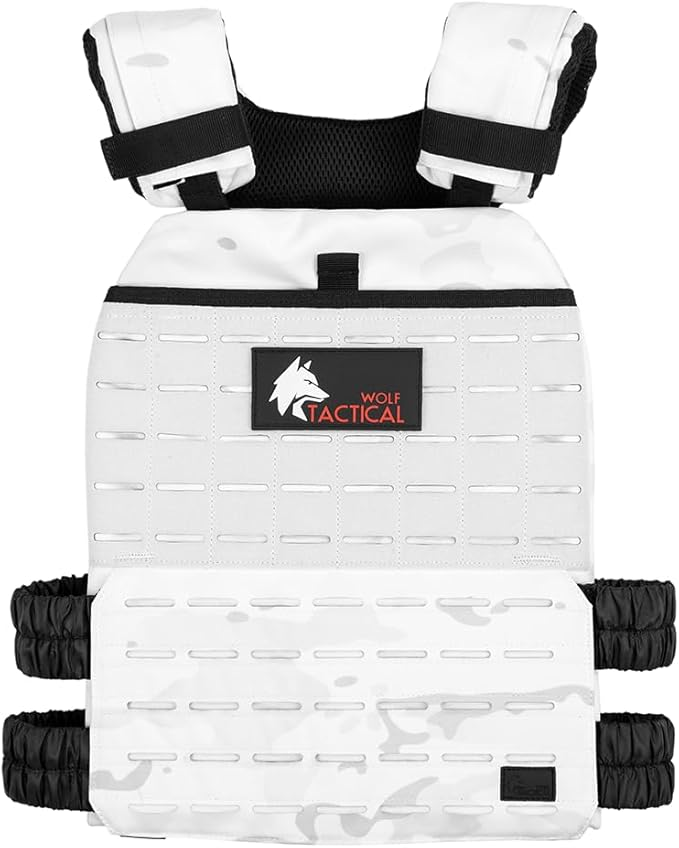
Weighted vests and ruck plates change how you move. For long-distance or military-style rucks consider the GORUCK Rucker 4.0 20L for durable carry and load distribution.

If you want hydration and modular storage for mixed terrain, the CamelBak Motherlode 100oz Mil Spec Crux Hydration Backpack is an excellent choice for combining water and weight.

How to choose based on goals
- Weight loss or calorie focus — use steady paces and consistent incline; treadmill makes repeatable tests easier.
- Functional fitness and balance — outside rucking with variable terrain is superior.
- Time-crunched or inclement weather — treadmill keeps consistency and safety.
Quick training plan examples
Beginner plan: three sessions weekly at 20–40 minutes with a light vest or plates. Progress by time, then by load. Intermediate plan: include one interval treadmill session for tempo and one outdoor ruck with hills for resilience.
Calculator and tracking
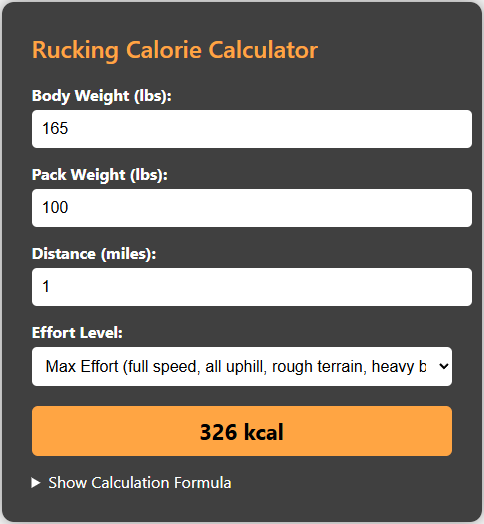
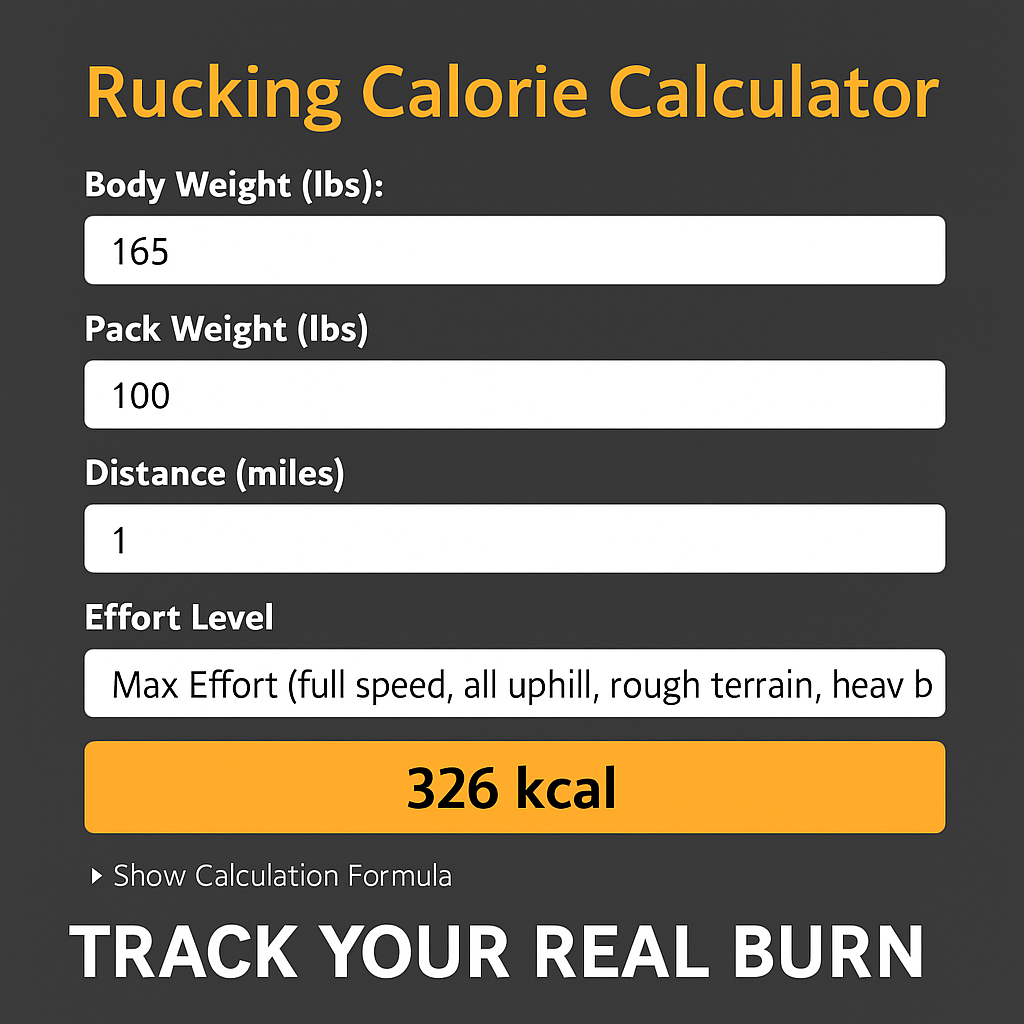
Use the rucking calorie calculator to estimate burn and guide load progression. Click the screenshot below to open the calculator and run numbers for a weighted vest or backpack rucking session.

Rucking app for tracking
For Android users download the Rucking app on Google Play to track calories, use a weight loss calculator for rucking, and access gear links and discounts. Tap the image to open the app listing.

Real world tips
- Practice transitions: add short outdoor walks after treadmill sessions to adapt to terrain.
- Monitor intensity by heart rate or perceived exertion, not just pace.
- Hydrate and layer for weather; Pump-Ocalypse is a useful hydration support on hot long efforts.
Sample session and pacing cues
Start with a 10 minute warm up at easy pace and no additional load or minimal weight to practice posture. Add your plates or vest and perform a 30 minute steady-state block at conversational pace where you can speak in short sentences. If on a treadmill, set incline to simulate rolling terrain between 1 and 4 percent. If outside, pick a loop with a few short hills. Finish with five to ten minutes of cool down, ankle mobility drills, and calf stretches. For interval work use three to five repeats of three minutes harder effort with two minutes easy recovery. Keep cadence steady, shoulders back, hips engaged, and avoid leaning forward from the lower back. Record perceived exertion and adjust load so that the last five minutes of a session feel challenging but manageable and recover.
Final recommendation
There is no single winner. Use treadmills for controlled progression and outside rucking for functional fitness and mental benefits. Blend both to build consistency, resilience, and sustainable calorie burn across seasons.