How Weighted Clothes Can Transform Your Fitness Routine

Why Train with Weighted Clothes?

Adding resistance to everyday movements with weighted clothes is a smart and proven method to level up your fitness. Whether you’re looking to improve strength, endurance, or simply burn more calories, wearing weighted garments like vests, shirts, or shorts can make a noticeable difference without overcomplicating your routine. It’s a direct approach championed by functional training experts and athletes who need real-world results—not just gym performance.

Types of Weighted Clothes

  • Weighted vests – The most versatile option, offering adjustable loads and secure fit for a wide range of activities.
  • Weighted shirts – Distribute weight more evenly for comfort but offer less adjustability.
  • Weighted pants or shorts – Good supplemental resistance, especially for lower body endurance and power.

Benefits of Using Weighted Clothes

Training with weighted clothes replicates the natural resistance of outdoor labor or military training. Some of the primary benefits include:

  • Enhanced calorie burn – More weight means higher energy output for the same movement.
  • Improved bone density – The stress from added weight can help stimulate bone growth.
  • Safer progressions – Adjustable gear allows you to increase resistance steadily and avoid overuse injuries.
  • Functional strength – Movements with weighted clothing often mirror real-life activities and build usable strength.

Choosing the Right Weighted Garment

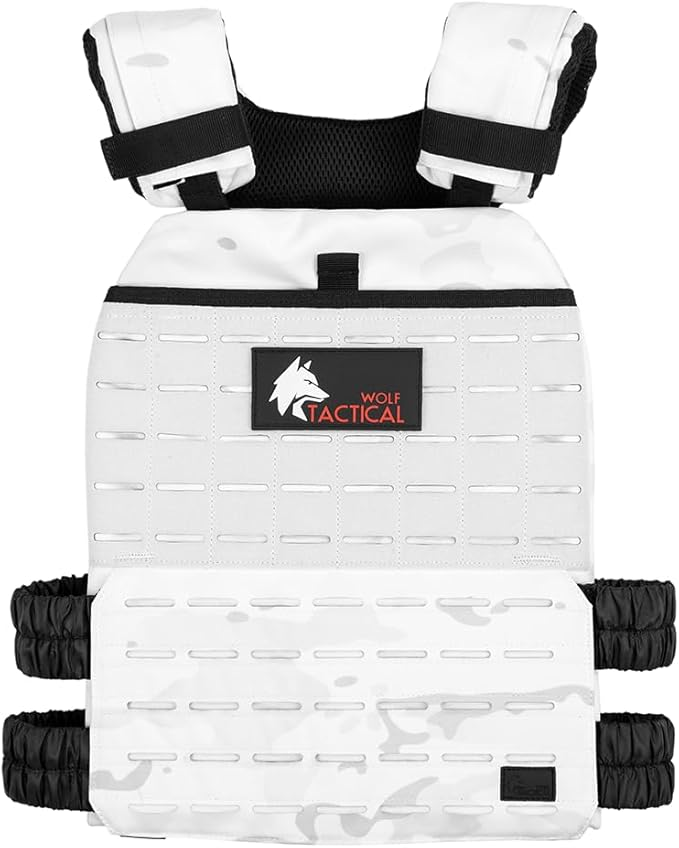
If your priority is upper body load and load distribution, a Wolf Tactical Adjustable Weighted Vest is an ideal entry point for most adults. This vest is easy to adjust and equally effective for brisk walking or bodyweight circuits.

Wolf Tactical Weighted Vest for rucking and daily fitness
The Wolf Tactical Adjustable Weighted Vest is comfortable, adjustable, and built for daily use.

Serious lifters, or those adding heavier loads, might opt for the Kensui EZ-VEST® MAX V2 – an innovative vest that can handle up to 300 lbs, allowing for true strength training in or out of the gym.

Kensui EZ-VEST MAX V2 for heavy weighted training
Kensui EZ-VEST MAX V2: For advanced, heavy-loaded workouts anywhere.

Tips for Safe Training

  • Start light and focus on maintaining good posture.
  • Increase weight gradually; avoid jumping up in load by more than 10% per week.
  • Stay hydrated, especially during longer or hotter workouts.
  • Rotate weighted days to prevent overuse injuries.

Track Your Progress

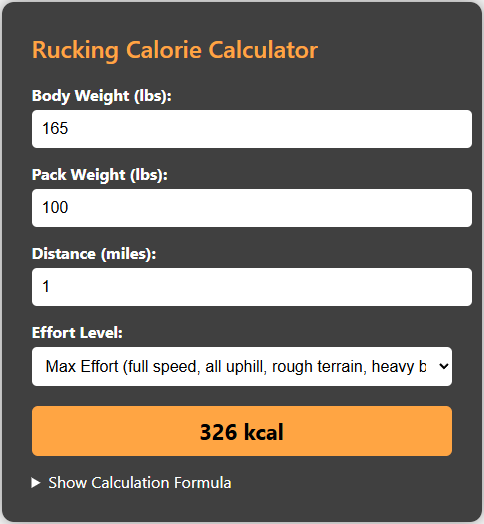
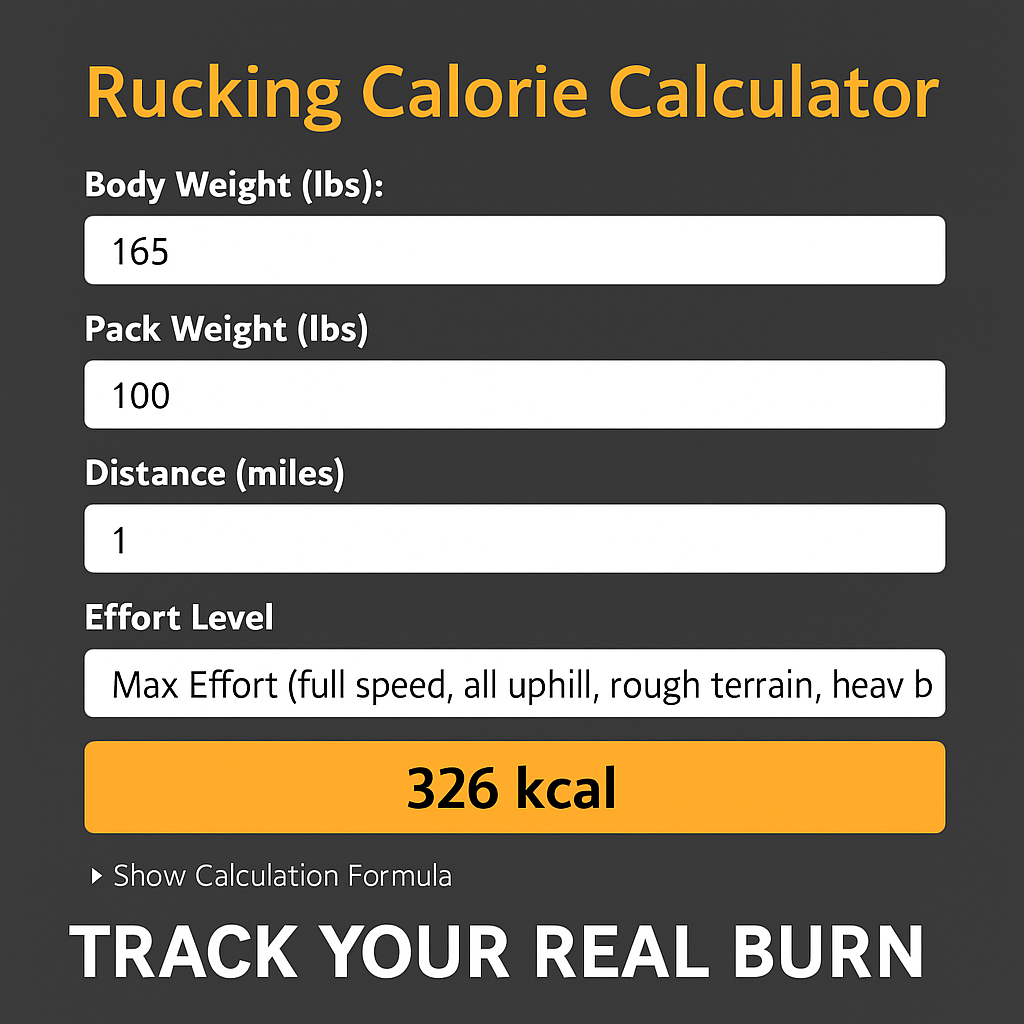
Wearing weighted clothes during walks or hikes can significantly boost calorie burn. To see how much extra energy you’re using, check out the Rucking Calorie Calculator below:

Rucking Calorie Calculator screenshot
Track your calorie burn with the Rucking Calorie Calculator.

Consistent use of weighted vests or other weighted clothes is one of the simplest ways to amplify everyday activities and reach your training goals.

Posted in Rucking | Tagged , , , , | Comments Off on How Weighted Clothes Can Transform Your Fitness Routine

Fitness Rucking: Harness Weighted Walking for Next-Level Endurance

What Is Fitness Rucking?

Fitness rucking means walking with a weighted backpack (or ruck) or a weighted vest, blending cardio, strength, and endurance into one highly effective outdoor workout. It’s a straightforward way to boost heart health, burn calories, and develop muscular endurance—all while enjoying the outdoors. For many, rucking is a bridge between everyday walking and rigorous hiking or weight training. You get stronger legs, a powerful core, and cardiovascular benefits, all from a simple change: adding weight while you walk.

Benefits of Rucking for Fitness

  • Total-body strength and endurance: The added load makes your back, legs, core, and shoulders work harder compared to regular walking.
  • Low-impact, sustainable cardio: Rucking is easier on the joints than running yet burns significantly more calories.
  • Outdoor connection: Unlike the gym treadmill, rucking gets you outside—fresh air, sunlight, and real terrain.
  • Mental resilience: There’s a mental edge in handling weight over distance, which builds grit and discipline over time.

Rucking Gear Essentials

Your gear makes all the difference. Beginners often try a sturdy backpack with dumbbells, but the smartest progress comes with purpose-built gear. For fitness-oriented rucking, the Wolf Tactical Adjustable Weighted Vest stands out: it spreads the load evenly, is highly adjustable for comfort, and keeps your hands free.

Wolf Tactical Adjustable Weighted Vest for rucking and fitness
Wolf Tactical Adjustable Weighted Vest: Dynamic resistance, secure fit for rucking workouts.

For those looking to up the ante and train for heavy rucks or military-style fitness, GORUCK Rucker 4.0 20L is built to withstand serious mileage and heavy loads.

GORUCK Rucker 4.0 20L backpack for fitness rucking
GORUCK Rucker 4.0: Heavy-duty design for hardcore ruck training.

How to Get Started with Fitness Rucking

  • Start light: Use 10–20 lbs if you’re new, or only a bit more if you’re carrying groceries regularly.
  • Keep walks moderate: 1–3 miles, aiming for good posture and steady pace.
  • Advance slowly: Add weight or distance gradually—never both at once.
  • Focus on form: Keep shoulders back, core engaged, and don’t slouch under the load.

Tracking Your Progress and Results

What gets measured, gets improved. Use a fitness tracker or the Rucking Calorie Calculator to estimate calories burned and gauge your progress session by session.

Rucking Calorie Calculator screenshot
Track your calorie burn with the Rucking Calorie Calculator.

Conclusion

Fitness rucking is accessible, rewarding, and constantly challenging. With the right rucking vest or backpack and a plan for slow, consistent progress, you’ll transform your endurance and functional strength. Give it four weeks, and you’ll see the difference—on and off the trail.

Posted in Rucking | Tagged , , , , | Comments Off on Fitness Rucking: Harness Weighted Walking for Next-Level Endurance

Art of Manliness Rucking: Strength, Simplicity, and Real Fitness

The Art of Manliness Rucking Approach

Rucking isn’t just another trend—it’s a throwback to what manly fitness has always been: direct, practical, and built into daily life. The Art of Manliness rucking approach emphasizes simple, proven methods to develop both strength and resilience. Using a weighted pack or vest, rucking builds the kind of functional conditioning that’s useful in the real world. Whether you’re rucking for military prep, fat loss, or just to challenge yourself outdoors, it’s the type of training that belongs in every guy’s toolkit.

Why Rucking Fits the Manliness Ethos

  • Minimalist Equipment: Just a sturdy pack or a weighted vest and you’re set.
  • Outdoor Grit: Rucking encourages time outside, away from screens, connecting you to your environment and your own capabilities.
  • Real Strength: You’re not moving weights just to put them back down—you’re carrying a load while moving forward, which echoes old-school physical culture.
  • Community: Many find ruck groups or ruck clubs to train with, fostering camaraderie like the best of traditional fitness cultures.

Getting Started with Rucking

If you’re inspired by the “Art of Manliness rucking” ideal, don’t overcomplicate things. Start with a basic weight—anywhere from 10-30 lbs is plenty if you’re new. Walk at a natural pace. If you’ve got a rucksack, great. If not, a Wolf Tactical Adjustable Weighted Vest is equally effective, distributing weight evenly and keeping your hands free.

Wolf Tactical Adjustable Weighted Vest for rucking
Dial in load and comfort with the Wolf Tactical Adjustable Weighted Vest.

Leveling Up Your Ruck

  • As you progress, increase your weight by 5-10 lbs over time.
  • Mix up terrain and pacing—try hills or rough trails to build ankle and leg strength.
  • If you want a classic rucking feel, the GORUCK Rucker 4.0 20L is field-tested and durable for all conditions.
GORUCK Rucker 4.0 20L rucksack for rucking enthusiasts
GORUCK rucksacks set the standard for durability in all conditions.

Tracking Your Results

The “manliness” approach means tracking real-world results, not just chasing gym PRs. I recommend keeping a simple log of distance, ruck weight, and perceived effort. To stay motivated, estimate your calorie burn for each ruck using the free Rucking Calorie Calculator below.

Rucking Calorie Calculator screenshot
Track your calorie burn with the Rucking Calorie Calculator.

If you’re after steady weight loss or just building an undramatic, durable base of endurance, those simple numbers will keep you grounded.

Embrace the Challenge

The true art of manliness rucking is about embracing discomfort with purpose. Don’t wait for perfect weather or expensive gear. Throw some weight on, step outside, and see what happens. Consistency trumps intensity. The Wolf Tactical Adjustable Weighted Vest and GORUCK Rucker 4.0 20L are reliable tools—pick whatever feels right and start building the sort of strength that actually matters.

Posted in Rucking | Tagged , , , , , | Comments Off on Art of Manliness Rucking: Strength, Simplicity, and Real Fitness

How Michael Easter Popularized Rucking in Fitness Culture

Michael Easter and the Rise of Rucking

Michael Easter has been at the forefront of popularizing rucking—the simple act of walking with weight—as both an accessible and transformative fitness tool. Through his influential book ‘The Comfort Crisis’ and numerous interviews, Easter brought rucking into the mainstream, connecting ancient movement patterns with modern health. He emphasizes outdoor movement, the benefits of carrying extra weight, and the psychological impact of purposeful discomfort. Rucking isn’t just about burning calories; it’s about building resilience in body and mind.

Why Easter Advocates Rucking

  • Low Barrier to Entry: Anyone can start rucking, no fancy gym membership required.
  • Mental Resilience: Facing discomfort outdoors boosts mental fortitude.
  • Fat Loss and Strength: Carrying weight during walks raises calorie burn and builds real-world strength.

Like Easter, many find rucking to be the most sustainable and effective way to keep weight off long-term. As someone who lost 90 lbs through rucking, strength training, and disciplined nutrition, I can tell you from experience—it truly delivers results.

Getting Started: Gear Inspired by Easter’s Approach

Michael Easter often recommends starting with what you have: a sturdy backpack and something heavy. As you progress, consider investing in gear designed for rucking:

Wolf Tactical Adjustable Weighted Vest for Rucking
Wolf Tactical vests make weighted walking more comfortable and adjustable for all levels.
CamelBak Motherlode Tactical Hydration Backpack for rucking
The CamelBak Motherlode keeps you hydrated on long, outdoor rucks.

How Many Calories Does Rucking Burn?

One of the biggest questions for new ruckers is: how many calories can you actually burn? It depends on your weight, the load you carry, terrain, and ruck pace. For a clear and tailored estimate, use our trusty Rucking Calorie Calculator below.

Screenshot of rucking calorie calculator

Calculate your rucking calorie burn here!

Embracing the Discomfort—Easter’s Core Philosophy

Easter’s key message is that growth happens in discomfort. Rucking forces you outside, places load on your body, and creates an honest, gradual path to real fitness. Whether you’re interested in fat loss, strength, or stress relief, rucking—inspired by leaders like Michael Easter—deserves a place in your training week.

Posted in Rucking | Tagged , , , , | Comments Off on How Michael Easter Popularized Rucking in Fitness Culture

How to Perform a Ranger Ruck for Strength and Endurance

What is a Ranger Ruck?

A Ranger ruck refers to a weighted hike modeled after U.S. Army Ranger School standards. It’s an advanced rucking challenge that builds stamina, lower body strength, and mental toughness. Unlike lighter urban or fitness rucks, a Ranger ruck pushes you to your limits with heavier packs, longer distances, and strict time requirements. If you crave a challenge that forges both mind and body, incorporating this protocol will take your training up a notch.

Typical Ranger Ruck Standards

  • Distance: 12 miles (19.3 km)
  • Weight: 35–50 lb (15.8–22.7 kg) dry weight
  • Time: 3 hours or less (average 15-minute mile pace)
  • Terrain: Mixed, often including hills and rough ground

Gear Recommendations for Ranger Rucks

Proper gear makes a difference as you increase distance and intensity. The right rucksack or weighted vest distributes load evenly and prevents injury. Popular choices for heavy, long-distance rucking include the GORUCK Rucker 4.0 20L and the CamelBak Motherlode Tactical Hydration Backpack.

CamelBak Motherlode 100oz tactical hydration backpack for ranger ruck
Carry larger loads in comfort—plus hydration support for longer rucks.

A weighted vest like the Kensui EZ-VEST® MAX V2 is ideal for trainees who prefer weight centered on the torso and adjustable resistance.

Kensui EZ-VEST MAX V2 for heavy rucking and training
Load up to 300 lbs—perfect for advanced ruckers prepping for Ranger standards.

Training Approach: Progression and Tips

  • Start with shorter distances and lighter weights (20–30 lbs), slowly building up.
  • Train on varied terrain—dirt, grass, and inclines.
  • Check your pace; use a device like the Apple Watch Ultra 2 for GPS and time tracking.
  • Stay consistent—2–3 sessions per week can help your body adapt without burning out.
  • Hydrate before, during, and after longer rucks, especially in hot weather.

Burning Calories and Tracking Progress

Ranger rucks are tough and burn hundreds of calories per hour—a perfect tool for serious fat loss or endurance building. Wondering how much energy your sessions torch? Use our quick tool to estimate your calorie burn based on distance, weight, and speed:

Rucking calorie calculator screenshot

Estimate your Ranger ruck calorie burn here »

Final Thoughts

If you’re looking for a no-frills way to build mental grit and lower body strength, the Ranger ruck remains a proven method, whether you aspire to a selection course or just want to challenge yourself outdoors. Progress carefully, invest in reliable gear, and track your numbers for tangible improvements. Stay safe and hit the trails hard.

Posted in Rucking | Tagged , , , , | Comments Off on How to Perform a Ranger Ruck for Strength and Endurance

Why the Rogue Fitness Weight Vest Is Popular for Rucking

The Appeal of the Rogue Fitness Weight Vest for Rucking

The Rogue Fitness weight vest is a well-known option among athletes, CrossFitters, and rucking enthusiasts for adding intensity to bodyweight training and outdoor conditioning. But does it stack up as the best choice for serious ruckers, or should you look at other high-performance options designed specifically for long-mile loaded walks?

Rogue Fitness Weight Vest: Design and Features

  • Adjustable weight cartridges (up to 40 lbs)
  • Durable 1000D Cordura construction
  • Minimal profile for full range of motion
  • Secure shoulder straps and Velcro closures for stability

The minimal, plate carrier-style profile makes it excellent for training like push-ups and pull-ups. For rucking, though, stability and comfort over miles matter even more. Secure fit and ability to adjust weight are positives, but the relatively slim shoulder cushioning and basic waist support can become a downside on extended treks, where hot spots and bouncing are common.

How Does It Compare to Rucking-Specific Vests?

While Rogue’s offering is solid, fast-growing ruck brands like Wolf Tactical Adjustable Weighted Vest and the 5.11 Tactical TacTec Trainer Weight Vest are designed for the unique demands of ruck training. They offer wider, more ergonomic straps and improved weight distribution that help prevent shoulder and back pain.

Wolf Tactical weighted vest for rucking
Wolf Tactical vest distributes weight evenly, ideal for comfort on long rucks.
5.11 TacTec weight vest for rucking
5.11 TacTec Trainer vest offers military-inspired comfort and secure fit.

If you’re planning weekly or daily loaded walks over varied terrain, dedicated ruck vests often outperform generic plate carriers.

Comfort and Load Stability Matter

For longer rucks (three miles or more), how the vest fits your frame can mean the difference between a productive workout and an injury risk. The Rogue Fitness weight vest has a secure fit for short, high-output work but may shift or chafe if improperly fitted or overloaded. Specialized options like Wolf Tactical add extra padding and adjustability, reducing hotspots and fatigue over time.

When Should You Choose a Rogue Fitness Weight Vest?

  • If you already own one for CrossFit or HIIT, it doubles as an entry-level rucking solution for shorter distances.
  • If your rucking routes are relatively short (under 3 miles) or varied with bodyweight movements mixed in.
  • If you value compactness and easy transitions between exercises.

But for anyone focused on building rucking into their cardio and weight-loss routine, a purpose-built ruck vest makes sense. If you have broader goals (long hikes, challenging terrain, or higher weights), the Wolf Tactical and 5.11 TacTec vests are crowd favorites for their mix of value, fit, and ruggedness.

Track Your Progress and Calorie Burn

Whichever vest you choose, tracking rucking effort is key to staying motivated—especially if weight loss is your goal. Calculate exactly how many calories you burn using the Rucking Calorie Calculator. It’s quick, mobile-friendly, and helps you set smarter weekly goals.

Screenshot of rucking calorie calculator
Estimate calories burned with the Rucking Calorie Calculator—vital for planning your rucking sessions.

Bottom Line

The Rogue Fitness weight vest is a tough, versatile tool for fitness, but for all-day comfort and optimal rucking performance, consider the Wolf Tactical or 5.11 TacTec weighted vests. They’re built for miles, not just minutes.

Posted in Rucking | Tagged , , , , | Comments Off on Why the Rogue Fitness Weight Vest Is Popular for Rucking

Choosing the Best Training Vest for Men: Rucking and Weighted Walking Guide

Why Every Man Should Consider a Training Vest

Weighted vests have become an essential part of outdoor fitness, especially for those serious about rucking, hiking or taking their walking to the next level. A high-quality training vest for men can increase your workout intensity, improve endurance, and help burn more calories in less time. But with so many options out there, how do you choose the right one?

Main Types of Training Vests for Men

1. Traditional Weighted Vests

The classic choice for bodyweight workouts and rucking, traditional weighted vests distribute weight evenly across your torso. The Wolf Tactical Adjustable Weighted Vest stands out for its comfort and adjustability, making it ideal for beginners and experienced athletes alike.

Wolf Tactical Adjustable Weighted Vest for men
Wolf Tactical Adjustable Weighted Vest offers ergonomic balance for rucking and HIIT.

2. Heavy-Duty Training Vests

If you want serious load capacity, the Kensui EZ-VEST® MAX V2 (300 lbs) is made for ramping up your strength and endurance workouts. Its adjustable payload gives you flexibility to start light or push heavy, adapting as your capability grows.

Kensui EZ-VEST MAX V2 training vest for men
Train with up to 300 lbs — perfect for advanced ruckers and strongmen.

3. Tactical and All-Day Comfort Vests

The 5.11 Tactical Unisex TacTec Trainer Weight Vest is a favorite in the tactical training community. Known for secure fit and rugged build quality, it’s designed for everything from everyday training to miles-long endurance events.

5.11 Tactical TacTec Trainer Weight Vest for men
Favored by military and law enforcement — built for both comfort and resilience.

How to Choose the Right Weight

  • Beginners: Start with 10–20 lbs. It will challenge you without compromising form.
  • Intermediates: 20–40 lbs. Great for building endurance and muscle strength.
  • Advanced: 40+ lbs. Only increase when your core and shoulders are stable under load.

Training Vest Benefits for Men

  • Increased calorie burn on every walk or ruck
  • Better posture and core stability
  • Hands-free resistance for hiking, calisthenics, or cardio
  • Improved cardiovascular fitness

Safety and Technique Matters

Remember, comfort and fit matter as much as weight. Choose a vest that will not chafe or restrict breathing. Secure straps and easy adjustability are key for safe, effective training.

Want to see how many calories you’ll burn with your training vest?

Check out the Rucking Calorie Calculator to estimate calorie expenditure for your loaded walks and rucks.

Rucking calorie calculator screenshot

Posted in Rucking | Tagged , , , , | Comments Off on Choosing the Best Training Vest for Men: Rucking and Weighted Walking Guide

Rucking with a Body Weight Vest: Key Benefits, Gear, and Training Tips

Why Use a Body Weight Vest for Rucking?

A body weight vest changes the rucking game. Instead of only relying on a loaded backpack, training with a weighted vest levels up strength, cardio, and overall fitness. Unlike traditional packs, vests evenly distribute weight across your torso, which feels more natural, lets you move faster, and combats posture breakdown during long walks or hikes. If you’re new to adding resistance or experienced with rucking, a body weight vest is one of the simplest ways to boost calorie burn and promote real-world functional strength.

Top Benefits of Body Weight Vests in Rucking

  • Improved Weight Distribution: Less chafing and strain than a lopsided pack.
  • Versatile Progression: Add plates or increment weight as you adapt.
  • Core & Posture Training: Forces strong posture, which reinforces better form on trails or pavement.
  • Cardio & Strength Fusion: Heavier vest = more muscular activation and cardiovascular stress — leading to faster results.

Best Body Weight Vest Options for Ruckers

Choosing the right vest comes down to comfort, adjustability, and training goals. For general-purpose rucking or outdoor fitness, I lean toward adjustable, secure vests—it’s not just about weight, but how the load moves with you.

Optimizing Your Training with a Body Weight Vest

Start with a manageable weight (usually 10–20 lbs), then increase resistance as your strength and conditioning improve. Focus on posture: stand tall, core engaged, stride controlled. Alternate between steady rucks and hill intervals. As you get stronger, try dynamic movements — lunge walking, stairs, or short sprints — for real-world athleticism.

For those unsure about how much weight to use or how it impacts your calorie burn, try this helpful tool:

Check your exact calorie burn with the free Rucking Calorie Calculator:


Rucking calorie calculator screenshot

Body Weight Vest vs. Backpack: Which is Better?

Weighted vests and rucksacks both get the job done—but for the average fitness-focused person, vests offer a lower learning curve and greater comfort. A vest keeps the load stable (no swinging or bouncing), making it ideal for walking, hiking, or bodyweight circuits. Still, mixing up your gear between a high-quality rucksack and a fitted body weight vest can unlock the best of both.

Real-World Advice: Mix and Progress

For most, alternating between a body weight vest and rucking backpack keeps your body adapting—building a stronger back, core, and cardiovascular engine over time.

Posted in Rucking | Tagged , , , , | Comments Off on Rucking with a Body Weight Vest: Key Benefits, Gear, and Training Tips

Bear Complex Weighted Vest for Rucking and Strength Training

Bear Complex Weighted Vest: Should You Ruck With It?

The Bear Complex weighted vest has gained serious traction with functional fitness athletes, but how well does it stack up for rucking and weighted walking? As someone who believes weighted vests deserve as much attention in rucking as big-brand backpacks, let’s dive into where the Bear Complex shines (and where alternatives might serve you better).

Weighted Vests for Rucking: Pros & Cons

  • Pro: Close Load Placement – Weighted vests like the Bear Complex keep weight centered on your torso, improving balance on uneven ground compared to backpacks.
  • Pro: Versatility – Switch from rucks to push-ups, lunges, or hill climbs without taking off your gear.
  • Con: Ventilation – Weighted vests can run hot, and proper fit matters for comfort on longer efforts.
  • Con: Max Load – Some vests cap out below 30 lbs, so check your rucking goals.

Alternatives That Outperform for Rucking

If you’re serious about weighted walking, two vests stand out for rucking:

  • 5.11 Tactical Unisex TacTec Trainer Weight Vest – Known for superior ventilation, adjustable fit, and rugged build. This one gets a nod from both ruckers and CrossFit athletes.
    5.11 TacTec Trainer Weight Vest for rucking and functional training
    Optimal ventilation and fit for long rucks or HIIT sessions.
  • Wolf Tactical Adjustable Weighted Vest – Budget-friendly, snug fit, ideal for beginners or anyone prioritizing comfort.
    Wolf Tactical Weighted Vest for walking and weighted fitness
    Comfortable and stable for both rucking and bodyweight workouts.

How the Bear Complex Compares

The Bear Complex is a legit training vest: durable, plate-compatible, and flexible for metcon-style training. But for multi-hour rucks or hiking, extra ventilation and even weight distribution are important. If rucking is your main focus, I encourage you to try an option built specifically for distance—and make sure your vest fits snug with no bounce.

Why Weighted Vests Work for Rucking

  • Force your core and upper body to stabilize the load
  • Replicate real-world physical demands (think hiking with a hunting pack or military training)
  • Increase heart rate and calorie burn over unloaded walks

Your Calorie Burn: Use the Rucking Calorie Calculator

Whether you ruck with a Bear Complex, Wolf Tactical, or 5.11 TacTec vest, tracking your calorie burn is key for sustainable fat loss and performance training. Plug your stats into the handy calculator below to estimate your real rucking expenditure.

Rucking calorie calculator screenshot

Try the Rucking Calorie Calculator now and see how much a weighted vest changes your numbers.

Bottom Line

The Bear Complex weighted vest is a solid choice for all-purpose fitness, but for rucking, vests like the 5.11 TacTec or Wolf Tactical offer comfort and adaptability on the trail. Pick your gear, focus on progression, and track calories to support your weight and conditioning goals with confidence.

Posted in Rucking | Tagged , , , , | Comments Off on Bear Complex Weighted Vest for Rucking and Strength Training

What Makes a Good Ruck: Gear, Weight, and Technique

Understanding What Makes a Good Ruck

A good ruck is more than just strapping on a backpack and hitting the trail. It’s about choosing the right load, using quality gear, and applying form that protects your body while maximizing fitness gains. Whether you’re prepping for a military selection, building endurance, or looking for an outdoor fat-burning session, focusing on a few key elements will take your rucking to the next level.

Start With Quality Gear

  • Load-Carrying Comfort: Your rucksack or weighted vest should distribute weight evenly and allow for adjustable loading. The CamelBak Motherlode Tactical Hydration Backpack is a popular choice for its hydration system and rugged design, ideal for longer distances or mixing weight and cardio workouts.
    CamelBak Motherlode Tactical Hydration Backpack for rucking
    Durable and hydration-ready — perfect for a variety of ruck training scenarios.
  • Weighted Vest Options: If you prefer a compact, snug fit, consider a weighted vest like the 5.11 Tactical Unisex TacTec Trainer Weight Vest. It offers a secure fit and lets you adjust plates for different training goals.
    5.11 TacTec Trainer Weight Vest for comfortable rucking
    Provides load balance and flexibility for all-level ruck sessions.

Weight Selection Matters

A good ruck begins with the right weight for your ability and goals. For beginners, 10-20% of your bodyweight is a smart starting place. As you build up strength and mileage, you can gradually progress. More important: a weight heavy enough to challenge your cardiovascular and muscular system, but not so heavy that it compromises form or causes injury.

Technique and Safety First

  • Posture: Stand tall, keep your core braced, and walk with your head up. Avoid overstriding, which can stress your knees and hips.
  • Pacing: You don’t have to move at military speed. Maintain a pace that lets you breathe deeply and finish strong.
  • Hydration: Use a pack with hydration support, or bring a bottle and drink regularly, especially on longer rucks or in hot weather.

When Is a Ruck Most Effective?

A good ruck fits your goals — for fat loss, focus on longer, moderately weighted sessions. For strength and leg power, use heavier weight and tackle hills. You’ll get more than just physical benefit: time outdoors, a test of mental grit, and often, better mood and sleep.

Track Your Calories Burned

Want to know how much you’re burning on a good ruck? Use our Rucking Calorie Calculator to estimate calories for your weight, distance, and speed.

Screenshot of Rucking Calorie Calculator tool
Estimate your calorie burn with the free calculator.

Summary: The Components of a Good Ruck

  • Proper gear: Balanced, adjustable, hydration-friendly
  • Appropriate weight for your fitness and goal
  • Good form and steady pace
  • Smart hydration and nutrition support

Dial in these essentials, and every ruck becomes an effective outdoor workout that builds strength and stamina — and, with consistency, delivers real results.

Posted in Rucking | Tagged , , , , | Comments Off on What Makes a Good Ruck: Gear, Weight, and Technique