Rucking workout plan for weight loss: 12 week plan

Rucking workout plan for weight loss

Rucking is one of the simplest, most reliable ways to lose weight and keep it off. This plan blends steady state walking with progressive load, interval rucks, and recovery days so you burn calories, retain lean mass, and build walking economy. The emphasis is consistency over extremes: week to week progression in time and weight, not daily maximal effort.

How this plan works

Over twelve weeks you increase either duration or vest and backpack weight by small controlled increments. Start with three rucks per week: one long steady ruck, one tempo ruck with slightly higher pace or grade, and one interval ruck with short fast segments. Add a fourth session only after six weeks if recovery and sleep are solid. The goal is sustainable caloric deficit paired with muscle maintenance, not daily exhaustion.

Weekly template

  • Day one long steady ruck sixty to one hundred twenty minutes at conversational pace with ten to twenty percent bodyweight load.
  • Day three tempo ruck thirty to forty five minutes at brisk pace slightly heavier load or steeper terrain.
  • Day five intervals twenty to forty minutes alternating two minutes brisk and two minutes easy with bodyweight or light load.

Progression is simple every week add five to ten minutes to the long ruck or add two to five pounds to your vest or pack every two weeks. Prioritize form posture and breathing. If joints or spine feel taxed reduce load and increase duration instead. Use grades and trails before adding heavy plates.

Nutrition and calorie tracking

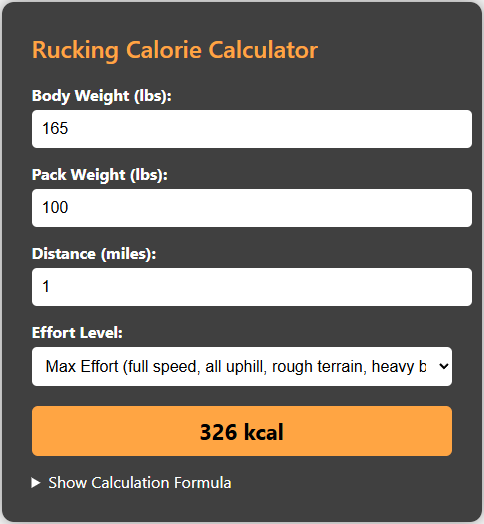
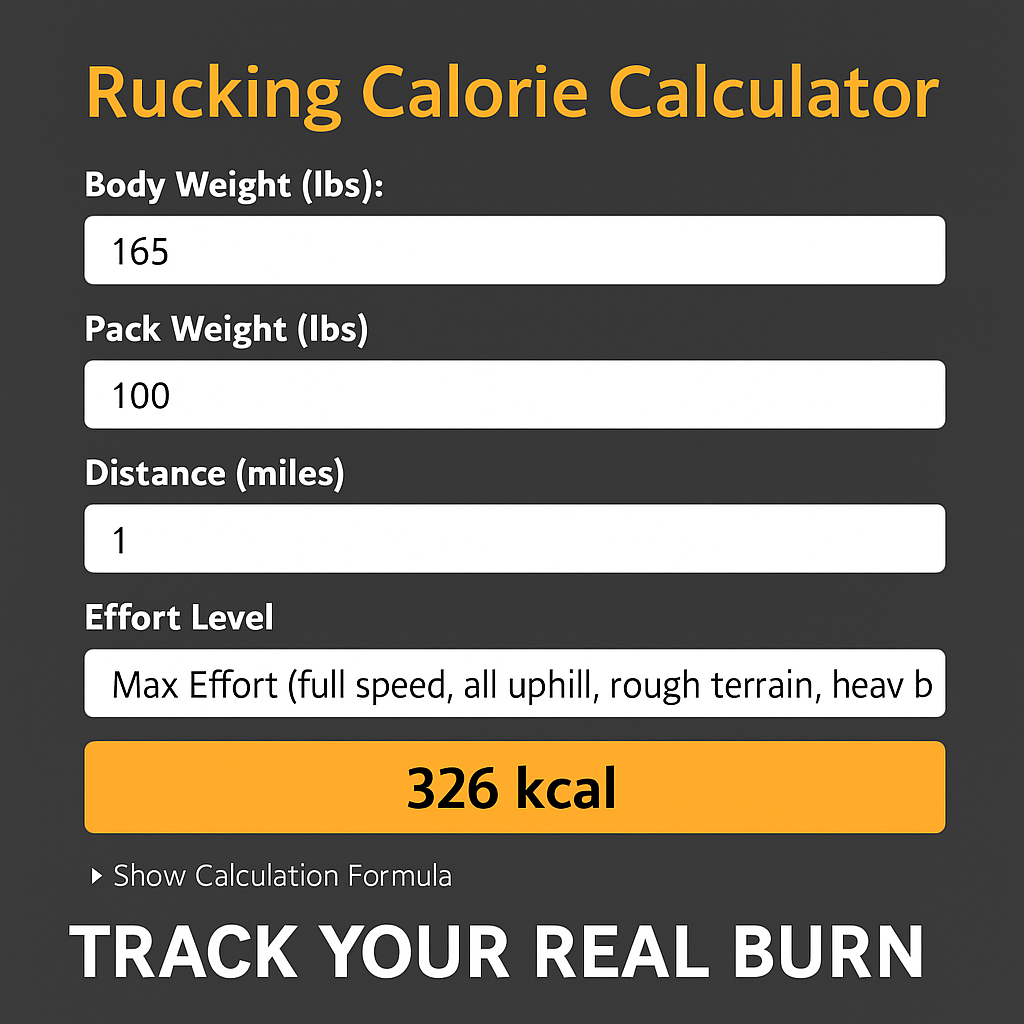
Weight loss is primarily a matter of sustained calorie deficit. Rucking makes that deficit achievable without extreme gym sessions. Use a reliable tool to estimate burn and set targets. Try the Rucking Calorie Calculator to get an evidence based estimate for your rucks and vest work. Click the screenshot below to calculate your calories and plan deficits.

Rucking Calorie Calculator screenshot

Combine calculated burn with a modest three hundred to five hundred calorie daily deficit to aim for sensible weekly weight loss. Preserve protein intake and include two to three resistance sessions per week to keep muscle mass. Hydration and sleep are nonnegotiable for recovery and hormonal balance.

Gear recommendations

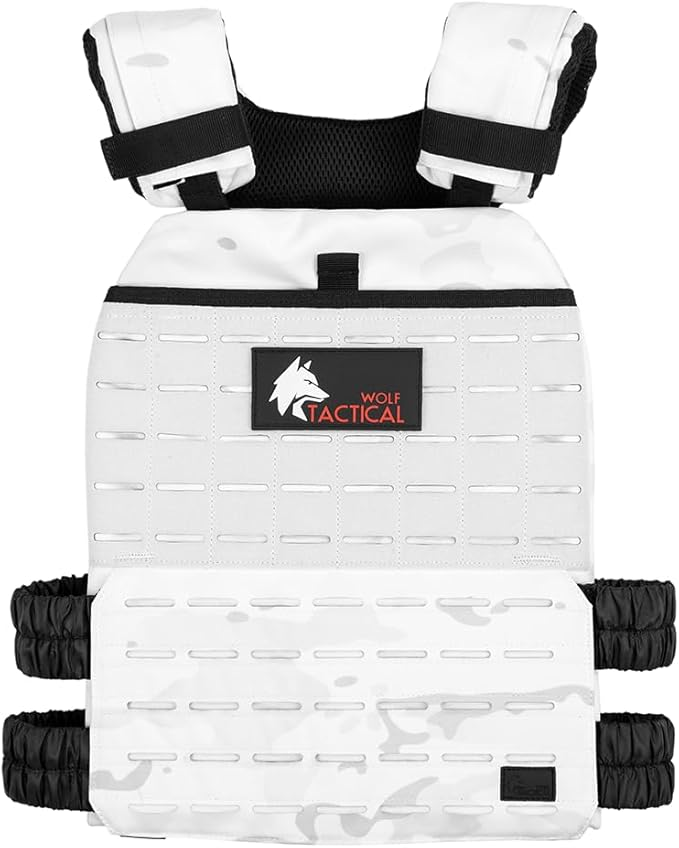
Start with a comfortable vest or ruck designed for long walks. For beginner comfort and fit consider the Wolf Tactical Adjustable Weighted Vest.


Wolf Tactical Adjustable Weighted Vest
Adjustable fit and pockets make this vest a beginner friendly choice for walking and rucking.

For longer hydration focused rucks consider a rucksack like the CamelBak Motherlode 100oz for water and load distribution on long routes.


CamelBak Motherlode 100oz Hydration Backpack
Hydration and adjustable load make the Motherlode ideal for long distance weighted walking.

Tracking with the Rucking app

Track your rucks and calories with the Rucking app on Android. It calculates accurate burn for both backpack rucking and weighted vests, offers a weight loss calculator, and links to gear and discounts. Tap the image below to download.

Rucking app on Google Play

Sample 12 week milestones

  • Weeks one to four build habit and technique sixty to ninety minute weekly long ruck light vest or pack.
  • Weeks five to eight increase long ruck to ninety to one hundred twenty minutes add tempo work and slight weight increase.
  • Weeks nine to twelve add occasional heavier day or extended ruck taper load before any test event.

Common mistakes and fixes

  • Too much weight too fast slow the load progression extend duration instead.
  • Poor nutrition prioritize protein and a modest deficit avoid crash dieting.
  • Ignoring recovery sleep mobility and deload weeks matter as much as ruck days.

Follow the plan patiently. Rucking produces slow steady fat loss while improving posture core strength and walking efficiency. Use the calculator above log sessions in the app and choose gear that fits your goals. Small consistent steps win.

Sample weekly microcycle

Monday easy recovery walk thirty to forty five minutes with mobility and foam rolling.

Tuesday tempo ruck thirty minutes moderate pace with light load focus on cadence and posture.

Wednesday strength and core thirty to forty five minutes bodyweight squats lunges planks and loaded carries if available.

Thursday intervals twenty to thirty minutes alternating brisk ruck segments with easy recovery walks and attention to breathing.

Friday rest or gentle yoga mobility session and nutrition check in.

Saturday long ruck ninety to one hundred twenty minutes on varied terrain with planned hydration and fuel.

Sunday optional short recovery stroll or active rest and review weekly progress adjust load targets accordingly.

Consistency matters more than perfect sessions. Track ruck duration weight and perceived exertion. If progress stalls reassess calories sleep and stress before chasing heavier loads. Small changes compound and sustainable habits create permanent results. Measure weekly averages not single workouts for reliable insight every week.

Posted in Uncategorized | Comments Off on Rucking workout plan for weight loss: 12 week plan

Rucking 5 miles a day weight loss: a practical plan

Why rucking 5 miles a day works for weight loss

Rucking five miles a day is a repeatable, low-cost way to burn calories and build consistent daily energy expenditure. Rucking combines walking pace with extra load — typically a weighted vest or a ruck — to raise heart rate without the pounding of running. For steady weight loss you need a calorie deficit, and rucking creates that deficit while preserving strength and posture.

How to build a sustainable five-mile daily routine

Start with realistic pacing and load. If you’re new, begin without weight or with a light vest (5–15 lb) and build to a load that challenges but doesn’t break recovery. Five miles at a brisk rucking pace will take roughly 75–100 minutes depending on terrain and load. Prioritize two things: consistency and gradual progression.

  • Week 1–2: 3–4 days per week, light load, focus on form.
  • Week 3–6: increase to 5–6 days if recovery is solid; add 5–10% load each week.
  • Long term: keep one heavier day, one active recovery or mobility day.

Calorie math and tracking

Estimate calories burned, then confirm with consistent weigh-ins and performance. Use the rucking calorie calculator below to get a tailored estimate for your weight, pace, distance, and load. I recommend checking numbers and then tracking weekly trends rather than obsessing over single days.


Rucking calorie calculator screenshot

Tools that make daily rucking easier

Use gear that reduces pain points: a comfortable weighted vest, good footwear, and hydration. For daily five-mile rucks consider a vest built for walking comfort and load distribution. I trust designs that allow micro-adjustments and breathable fabric so you can maintain daily training without chafing or sore shoulders.


Wolf Tactical Adjustable Weighted Vest for daily rucking
Wolf Tactical Adjustable Weighted Vest — comfortable, adjustable, and suited for regular rucks.

Use an app to keep honest logs. The Rucking Pro app on Google Play tracks calories burned while rucking or using a weighted vest, offers a weight loss calculator, and links to gear and discounts.


Rucking app on Google Play

Nutrition and recovery for daily rucks

Rucking five miles daily creates a calorie gap you can manage with moderate dietary changes rather than extreme restriction. Prioritize protein, whole foods, and sensible portioning. Recovery habits — sleep, hydration, and mobility — matter more as volume increases. For long, hot rucks I carry electrolytes and a drink I trust during longer sessions.

Small strategy checklist

  • Measure baseline weight and body measurements, then track weekly.
  • Use the calculator linked above to estimate burn and plan a 250–500 kcal daily deficit.
  • Adjust vest weight slowly and test different paces; feel beats theory.
  • Schedule one day of active recovery and one day with lighter distance.

Preston Shamblen, who lost 90 lbs through rucking, weighted-vest work, and disciplined nutrition, still recommends weighted vests as a reliable way to maintain a lower body weight and burn fat consistently. His approach emphasizes consistency over perfection: small daily habits compound into sustainable change.

Final practical notes

Rucking five miles a day can be a powerful tool for weight loss when paired with sensible nutrition and recovery. Use the rucking calorie calculator above to set targets, log progress with the Rucking Pro app, and choose gear that keeps you training day after day. Start conservative, increase volume and load slowly, and measure trends over weeks rather than days.

Posted in Uncategorized | Comments Off on Rucking 5 miles a day weight loss: a practical plan

rucking for fat loss vs running: Practical comparison

Rucking for fat loss vs running

Rucking for fat loss vs running is a common question among outdoor athletes and people who want efficient calorie burn without constant joint stress. This article compares energy expenditure, sustainability, muscle preservation, and practical training tips so you can choose the method that matches your goals and lifestyle.

How each activity burns calories

Running typically raises heart rate quickly and maintains a steady high calorie burn per minute. It relies heavily on cardiovascular output and tends to use large muscle groups dynamically. Rucking, which is walking with a weighted vest or backpack, reduces peak heart rate compared to maximal running but increases load and metabolic cost by adding external weight. The presence of load increases muscle recruitment in the posterior chain and core, which shifts part of the calorie burn toward strength endurance demands.

Efficiency and time economy

If you measure calories per minute, running often appears more efficient. However, real world training efficiency includes recovery, injury risk, and ability to do frequent sessions. Rucking is lower impact and allows longer sessions with less acute recovery, which can increase weekly total caloric expenditure. For people who cannot run because of joint issues or who want to add strength stimulus while burning calories, rucking provides high value.

Fat loss, muscle preservation, and metabolic effects

Fat loss requires a sustainable calorie deficit and maintenance of lean mass. Running in a calorie deficit without adequate protein and strength work can accelerate muscle loss. Rucking combines steady cardio with load that helps preserve or even build strength, particularly in glutes, hamstrings, and upper back. That preserved muscle helps maintain resting metabolic rate. For many lifters and athletes trying to retain quality body composition while losing fat, rucking is the preferable choice.

Practical training guidelines

  • Frequency: Aim for three to five ruck or run sessions per week, mixing intensities.
  • Progression: Increase load or distance gradually by about 5 to 10 percent per week to avoid injury.
  • Nutrition: Match protein intake to support muscle retention and prioritize whole food satiety when in a deficit.
  • Recovery: Add easy active recovery days and mobility work to reduce cumulative fatigue.

When you need to quantify calorie burn for planning, use the Rucking.Pro calorie calculator. It adjusts for body weight, distance, pace, and load so you can plan realistic deficits without guessing. Click the screenshot below to open the calculator and test your typical ruck or run session.

Rucking calorie calculator screenshot

For people who like wearable tracking and mobile convenience, the Rucking app on Google Play makes recording and estimating calorie burn simple. The app supports weighted vest and backpack rucking, includes a weight loss calculator, and links to gear and discounts. Tap the image to open the app on Android.

Rucking app on Google Play

Which is better for you?

Choose running if you want high intensity intervals, time efficient cardio, and you have healthy joints and recovery capacity. Choose rucking if you need lower impact sessions, want concurrent strength stimulus, or are planning higher weekly volumes. Both methods can be combined: use rucks for longer aerobic load and runs for high intensity metabolic work once or twice weekly.

Gear recommendations

For most newcomers I recommend a durable, comfortable weighted vest that balances load and mobility. A good option is the Wolf Tactical Adjustable Weighted Vest which is beginner friendly and adjusts easily. The linked product image below shows the vest and a short benefit caption.


Wolf Tactical Adjustable Weighted Vest for rucking and walking
Wolf Tactical vest: adjustable, comfortable, and ideal for walking rucks and fat loss work.

For longer rucks where hydration and cargo matter, consider combining a plate carrier or ruck and a hydration system so you can maintain intensity and comfort.

Final verdict

Both running and rucking burn calories, but rucking offers a lower injury risk, better muscle preservation, and easier consistency for many people pursuing fat loss. Use the calculator linked above to plan deficits and the rucking app for tracking. Build a weekly plan that fits your recovery and lifestyle and prioritize protein and sleep to keep fat loss sustainable.

Start simple: three brisk 30 to 60 minute rucks per week with a modest 10 to 20 pound vest or equivalent backpack load will change your baseline conditioning and increase weekly calorie burn without adding unnecessary joint stress. Track sessions in the Rucking app so you can compare effort and trend your progress. After four to six weeks gradually add more weight or distance and consider one weekly higher intensity run to maintain speed and VO2 capacity. Keep protein at about 0.7 to 1.0 grams per pound of bodyweight and use whole foods to keep hunger manageable. Consistency over months beats sporadic maximal efforts when the objective is sustained fat loss and better long term health daily.

Posted in Uncategorized | Comments Off on rucking for fat loss vs running: Practical comparison

Rucking calorie calculator: How to estimate calories burned while rucking

How to use the rucking calorie calculator

I wrote this guide to help you estimate calories burned while rucking, whether you use a weighted vest, a rucksack, or both. The rucking calorie calculator on Rucking.pro is built for outdoor training and practical tracking; it reduces guesswork and helps you plan consistent sessions.

Start by entering your weight, the load you carry, walking speed, and duration. Choose metric or imperial units, and include the exact weight of the vest or plates. If you alternate speeds or terrain, use multiple short calculations and add the results for a more accurate total.


Rucking calorie calculator screenshot
Open the rucking calorie calculator to enter weight, load, speed and time.

Why use a calculator? Simple: it translates load, pace, and duration into real numbers you can track. That helps you manage weekly volume, adjust nutrition, and set realistic weight loss or maintenance targets. For many people, the difference between guessing and measuring is what keeps progress consistent.

Practical tips before you calculate:

  • Wear the gear you would use on a real ruck; wear the vest or plates when measuring.
  • Measure walks at a steady pace for 20 minutes or longer to avoid error from short bursts.
  • Record terrain and temperature separately — they influence energy cost.
  • Use the Rucking App for Android to log sessions and link calculations to each walk.

The calculator on rucking.pro also handles weighted vests. If you rely on a vest for daily cardio, include the vest mass and any plates. For guidance on using weighted vests specifically, pairing this calculator with the site’s weighted vest landing page can be useful.


Wolf Tactical adjustable weighted vest for rucking
Wolf Tactical adjustable vest — comfortable fit for daily weighted walks.

GORUCK Rucker 4.0 20L ruckpack
GORUCK Rucker 4.0 — a durable ruckpack for longer loaded marches.

Logging with the Android app is simple. Tap the app image below to open Google Play, install the Rucking App, and choose whether you’re tracking a backpack ruck or a weighted vest session. The app stores individual session calories, distance, and notes so you can review weekly totals and adjust load or frequency.


Rucking App on Google Play

How to interpret the number: treat the calculated calories as an estimate, not a guarantee. Use it to compare sessions — heavier load, faster pace, or steeper terrain should show higher caloric cost. If weight loss is your goal, aim for consistent weekly deficits and focus on protein and recovery so you maintain strength as you lose mass.

Quick checklist to get accurate results:

  • Weigh yourself and all gear before the walk.
  • Enter walking speed or measured pace rather than “moderate” estimates.
  • Repeat measurements over several sessions and average them.
  • Use the Rucking App to centralize logs, notes, and photos.

One calculator click can eliminate weeks of guesswork. Try the rucking calorie calculator now, validate a few walks, and start tracking progress. Accurate load and consistent records keep training honest and your results real.

If you want to dial in gear for comfort on long walks, the Wolf Tactical vest links above are reliable for daily use; for longer miles and more gear the GORUCK option is durable. If you have questions about methodology or the calculators, email the site or leave a comment — I prioritize real feedback from people training outside.

—Preston Shamblen, ISSA-certified personal trainer. I lost 90 lbs through rucking, weighted-vest training, and disciplined nutrition, and I still recommend vests as a reliable way to maintain a lower body weight and burn fat consistently.

Sample session and weekly plan

Begin with three rucks per week. Two short sessions of 30 to 45 minutes at a brisk walking pace with a light vest, and one longer 60 to 90 minute ruck at a slower pace. Use the calculator to compare the shorter workouts to the long march; you might be surprised at how much extra energy the long ruck consumes, especially on varied terrain.

  • Day one: 30 minute brisk walk with 20% bodyweight vest or equivalent pack load.
  • Day three: 45 minute tempo ruck with moderate load and varied terrain.
  • Day five: 60 to 90 minute long ruck at an easy pace focusing on time on feet.

Track each session in the app, note perceived exertion, and update vest weight as you adapt. Small, consistent increases in load or duration produce durable aerobic and strength gains without the wear associated with high impact training. Use food tracking and protein targets to preserve lean mass while you lose weight. If you need help interpreting multiple calculator results, save them in a weekly spreadsheet and compare averages over three to four weeks. Train smart.

Posted in Uncategorized | Comments Off on Rucking calorie calculator: How to estimate calories burned while rucking

Wolf Tactical Weighted Vest Rucking Review: Fit, Comfort, Performance

Introduction

When you ask whether the Wolf Tactical weighted vest is right for rucking, you want practical answers from someone who trains outside, tests gear, and measures results. This review covers fit, comfort, durability, and how the vest performs on long walks with load. I write from the perspective of a trainer who prioritizes real world outcomes: sustainable calorie burn, reduced joint stress, and predictable progression.

Summary verdict

The Wolf Tactical weighted vest is a solid option for rucking beginners and intermediate athletes. It balances comfort and price while offering modular weight that adapts to walking, hiking, and interval sessions. It is not the heaviest duty vest on the market but it excels for consistent daily use.

Fit and comfort

A vest that chafes or floats will ruin a ruck. The Wolf Tactical vest sits snug on the torso, with adjustable straps that reduce bounce during longer strides. The padding is adequate and breathes decently in cool weather; hot summer rucks will still require careful hydration and shorter sessions. The vest molds to body shape better than old style plate carriers and feels more natural than bulky backpack weights when carrying 10 to 40 pounds.

Durability and construction

Materials include reinforced seams and hook and loop retention for weight pouches. Expect solid stitching at stress points and no immediate failure during months of repeated use. The zippers and buckles are adequate for field use. If you plan to load above 60 or 80 pounds regularly, consider a heavy duty option such as the Kensui EZ-VEST MAX V2 for extreme loading.

Performance on rucks

During rolling terrain and road marches the vest keeps weight centered, reducing shoulder and lower back strain compared with single shoulder loads or poorly balanced packs. For pacing, I recommend starting with a conservative base weight equal to 10 percent of body mass and increasing gradually. Weighted vests change your gait less than shoulder bags, which matters for joint health over hundreds of miles.

Practical programming tips

  • Start with two to four week blocks of consistent walks, three to five rucks per week.
  • Use shorter, faster rucks for conditioning and longer, steady marches for endurance.
  • Keep cadence and posture as priorities; a heavier vest should not cause you to lean forward excessively.

Accessories and pairing

For hydration and longer routes pair the vest with a tactical hydration pack. The CamelBak Motherlode is an excellent complementary rucksack for mixing hydration and load during long outings.


CamelBak Motherlode 100oz Hydration Backpack
Use the CamelBak Motherlode for hydration and mixing weight with a vest during long rucks.

Calculator and tracking

If you want to measure calorie burn and progress use the Rucking calorie calculator linked below. It helps translate load, distance, and pace into usable calorie estimates so you can plan nutrition and recovery.

Rucking calorie calculator screenshot

Mobile tracking and app

Track each session with the Rucking app on Google Play. The app records calories burned for both weighted vests and backpacks, includes a weight loss calculator, and links to gear and discounts.

Rucking app on Google Play

Buying advice

If you want a single, reliable vest for frequent rucking choose the Wolf Tactical Adjustable Weighted Vest. It is affordable, comfortable for most body types, and integrates well with standard training plans. Buy a vest with modular plates or pouches so you can scale load by small increments.

Product mention


Wolf Tactical Adjustable Weighted Vest
Wolf Tactical offers an adjustable weighted vest suitable for walking, rucking, and progressive conditioning.

Use the Wolf Tactical Adjustable Weighted Vest for beginner and intermediate rucking, and consider plate style vests for heavy strength protocols.

Final thoughts

A vest that fits and keeps you moving will deliver consistent calorie burn and help you retain lower body weight when paired with disciplined nutrition. For most outdoor athletes and trainers the Wolf Tactical vest is a practical starting point. Measure your work with the Rucking calculator, track sessions in the app, and progress methodically.

Maintenance and troubleshooting

Inspect your vest regularly for loose stitching, frayed straps, or worn plates. After muddy rucks, rinse with freshwater and hang to dry away from direct heat. Replace any compromised plates or pouches immediately; a small repair today prevents a failure on a long march. If you experience hotspots or chafing, adjust strap tension and experiment with thin technical base layers to reduce friction. For persistent fit issues consider sizing up or choosing a vest with more padding.

A note on coaching perspective

As an ISSA certified trainer who used weighted vests to transform body composition, I prioritize tools that support consistent effort. Vests are tools for progression; paired with simple walking plans and accurate tracking they make fat loss and endurance improvements measurable and repeatable. Start light, track progress, and increase load responsibly each week.

Posted in Uncategorized | Comments Off on Wolf Tactical Weighted Vest Rucking Review: Fit, Comfort, Performance

Fitness Tracker Rucking Calories: Accurate Tracking for Weighted Rucks

Why fitness tracker rucking calories matter

If you’re rucking with a weighted vest or a loaded pack, your calorie burn isn’t the same as a casual walk. Fitness trackers are useful, but they often under- or over-estimate energy expenditure for load carriage because they rely on heart rate algorithms tuned to running or steady walking without additional weight. This guide explains how to interpret tracker data, improve accuracy, and combine a specialized calculator and the Rucking app for better results.

Common tracker errors with rucking

  • Heart-rate based estimates treat effort like standard cardio, not added load.
  • Step-count algorithms ignore the extra work of carrying 10–50+ lbs.
  • Terrain, pace, and pack fit change energy cost, and many consumer trackers don’t correct for that.

The result: a fitness tracker might report 300 calories for a 60-minute loaded walk when the true burn is 350–500 calories, depending on weight carried and intensity. Instead of discarding your tracker entirely, use it as one input among others.

How to combine a tracker with the Rucking calorie calculator

Best practice is to use your tracker to monitor heart rate zones and relative intensity while using a rucking-specific calculator for an estimated caloric total. The Rucking.Pro calorie calculator is built for weighted vest and backpack rucking and compensates for load, pace, and bodyweight.


Rucking Calorie Calculator screenshot

Use the calculator to get a baseline calorie estimate, then compare it to your watch. If your tracker reads substantially lower but your heart rate is elevated and perceived exertion matches the calculator, trust the calculator for daily totals and use the tracker for training zones, intervals, and recovery.

Step-by-step workflow

  • Before the ruck: record bodyweight, load weight, planned distance and pace.
  • Run the Rucking calorie calculator linked above to get an estimated burn.
  • Start your fitness tracker to monitor heart rate and time. Use the tracker for interval guidance and HR zone feedback.
  • After your ruck: reconcile numbers. If tracker calories are 10–20% lower consistently, bias toward the calculator when logging total daily energy expenditure.

Why the Rucking app helps

For Android users you can install the Rucking app on Google Play. It tracks calories specifically for rucking and weighted-vest workouts, integrates a weight loss calculator, and links to gear and discounts. Use the app to log consistent sessions and to compare watch data against a rucking-specific model.


Rucking app on Google Play

Practical tips in the field

  • Fit matters: a poorly fitted vest shifts and increases effort; adjust straps and load placement.
  • Hydrate and fuel based on perceived effort and calculator totals for longer rucks.
  • Use a tracker for HR variability and recovery; don’t rely on it alone for calorie budgeting.

Recommended gear to improve measurement and comfort

For most people a mid-weight, adjustable vest works best for consistent calorie estimates and comfort. I often recommend a durable vest with modular loading for progressive overload.


Wolf Tactical Adjustable Weighted Vest for rucking
Wolf Tactical adjustable weighted vest — durable, mid-weight comfort for long rucks.

Try the Wolf Tactical Adjustable Weighted Vest for beginner-to-intermediate ruckers who want stable loads and easy adjustment.

A final note on tracking accuracy

Over weeks, prioritize consistency: use the same vest or pack, the same tracker, and the same calculator method to create reliable trends. If you’re pursuing weight loss or performance goals, log calculated rucking calories from the Rucking calorie calculator and use your fitness tracker to manage intensity and recovery. That combination gives you the best practical accuracy in the field.

Train smart, keep the load progressive and safe, and use tools designed for rucking rather than generic cardio assumptions.

Posted in Uncategorized | Comments Off on Fitness Tracker Rucking Calories: Accurate Tracking for Weighted Rucks

Rucking for Obesity: A Practical, Low-Impact Path to Sustainable Weight Loss

Why rucking for obesity works

Rucking is walking with purposeful load. For people living with obesity, it combines low-impact cardiovascular work with strength stimulus from a weighted vest or rucksack. That combination improves metabolic rate, preserves lean mass and makes consistent daily movement sustainable. This article lays out how to start, how to scale, and how to track progress without injury.

Principles before practice

Start simple. Respect joint health, build walking base, and prioritize progressive overload. Use a lightweight vest or small pack to begin — 5–15% of bodyweight is a reasonable starting point for many. Focus on pace and duration first, then increase load in 2–5 lb steps every 1–3 weeks depending on comfort.

Beginner program blueprint

  • Week 1–2: 3 sessions per week, 20–30 minutes brisk walk unweighted to establish consistency.
  • Week 3–6: Add a 10–20 lb vest or pack for one session per week. Keep two sessions unweighted. Aim for 30–40 minutes.
  • Week 7+: Gradually add load or time. Prefer time progression before dramatic weight increases.

Practical form and safety tips

  • Keep an upright posture, short strides, and engaged core.
  • Use padded, adjustable vests to avoid chafing and distribute load evenly.
  • Prioritize recovery: sleep, hydration, and easy days matter more than pushing every session.
  • Check with a clinician if you have uncontrolled blood pressure, joint pain, or other serious conditions.

Gear that helps consistency

For most beginners I recommend a comfortable, adjustable vest built for walking and rucking. The Wolf Tactical Adjustable Weighted Vest is a good starter option because it balances fit and price.


Wolf Tactical Adjustable Weighted Vest for beginner rucking
Wolf Tactical vest offers adjustable plates and a comfortable fit for early rucking progressions.

If you prefer a hydration-capable rucksack for longer walks or mixed cardio, consider the CamelBak Motherlode 100oz for long-distance comfort and water storage.


CamelBak Motherlode 100oz hydration backpack for rucking
CamelBak Motherlode combines hydration and load capacity for longer rucks or mixed cardio days.

Track progress with the Rucking Pro tools

Tracking is the difference between random effort and measurable progress. Use the Rucking calorie calculator to estimate session burn and plan weekly deficits. Click the image below to open the calorie calculator and see how a weighted session changes your expenditure.

Rucking Calorie Calculator screenshot

Mobile tracking — the Rucking app

The Rucking app on Google Play helps you track calories burned while rucking or using a weighted vest, offers a weight-loss calculator, and links to vetted gear and discounts. Tap the image to install the Android app and begin logging accurate ruck sessions.

Rucking app on Google Play

Consistency, nutrition, and realistic expectations

Rucking is a tool, not a magic bullet. For sustainable weight loss, combine steady rucking progression with a modest calorie deficit, protein-focused nutrition to preserve muscle, and regular strength work twice weekly if possible. Expect slow, steady changes — body recomposition often precedes large scale weight loss.

Bottom line

For people managing obesity, rucking offers a low-impact, scalable way to add purposeful load and improve metabolic health. Start conservative, track with the calorie calculator and the mobile app, protect joints, and prioritize consistency. Small, repeatable steps compound into long-term change.

Posted in Uncategorized | Comments Off on Rucking for Obesity: A Practical, Low-Impact Path to Sustainable Weight Loss

Rucking before and after: realistic expectations and tracking

Rucking before and after: real results, realistic expectations

Rucking before and after photos tell a story about consistency, load progression, and simple nutrition. I’m a trainer who coaches people to treat rucking like a long term habit rather than a short sprint. When you study before and after examples you see patterns: progressive overload with a weighted vest or pack, steady caloric control, and gradual increases in distance and intensity. Those three pieces produce reliable body composition changes over months, not days.

Common changes seen in rucking before and after results

People report improved posture, better cardiovascular capacity, and leaner midsections. Rucking shifts training stress into walking mechanics, which is low impact while still demanding enough to stimulate fat loss when combined with sensible calories. Muscular endurance in the posterior chain improves—glutes, hamstrings, and lower back adapt to carrying load. Clothes fit differently; week to week changes are subtle, but month to month changes are obvious.

  • Fat loss from sustained caloric deficit and increased energy expenditure.
  • Improved muscular endurance and posture from load carriage.
  • Better mental resilience and habit formation.

For anyone tracking rucking before and after, objective measurements matter: photos, chest/waist measurements, and consistent weigh‑ins. Track the load you use, how often you ruck, and the route difficulty. A diary beats impressions if you want to reproduce results.

How to structure a rucking plan that produces measurable before and after changes

Start with a base of three sessions per week, 30 to 60 minutes each, using bodyweight or light load for the first two weeks. Increase load by small amounts—5 to 10 percent every one to three weeks—while preserving form and walking mechanics. Use longer sessions once a week to build endurance and shorter, faster rucks to build intensity. Nutrition should target a modest calorie deficit if fat loss is the goal; aggressive deficits will undercut performance and recovery.

Many clients use a weighted vest because it forces better posture and distributes load evenly. A practical choice for beginners is the WOLF TACTICAL Simple Weighted Vest (Men/Women).


WOLF TACTICAL Simple Weighted Vest for beginner rucking comfort
Comfortable, beginner-friendly weighted vest that helps establish posture and load tolerance.

Many transformations combine rucking with targeted strength sessions two times per week and consistent protein intake. That mix preserves muscle while allowing steady fat loss.

How to track progress: tools that make before and after comparisons fair

Use photos taken in the same lighting and stance every four weeks. Measure waist and hip circumference, and log weights and distances. For calorie estimates use the Rucking Calorie Calculator so you know how many calories a given ruck burned. Try the calculator here:

Rucking calorie calculator screenshot

For Android users the Rucking App on Google Play tracks calories burned while rucking or using a weighted vest and includes a weight loss calculator and gear links. Install it here:

Download the Rucking App on Google Play

Using a tool removes guesswork and makes before and after comparisons honest. If your measured calorie expenditure and intake align with your goals, the results will follow.

Expectations and timelines

Real change appears over 8 to 16 weeks for visible differences and 24 to 52 weeks for dramatic transformations. Plateaus are normal; break them by increasing load, changing terrain, or adjusting calories. Rucking delivers sustainable outcomes because it’s low impact and adaptable to everyday life.

Personally, I coach clients to value consistency over perfection. One client example: steady increases in weekly load and a small calorie deficit produced visible before and after changes in twelve weeks without injury or drastic dieting.

Practical checklist before you take your own before and after photos

  • Set weekly rucking goals and log load, time, and distance.
  • Use measurements and photos every four weeks.
  • Use the Rucking Calorie Calculator and the Android app to track burn accurately.
  • Pick a comfortable, well‑fitting vest to start—comfort encourages consistency.

Rucking before and after stories are about everyday choices applied consistently. Use objective tracking, steady progressions, and conservative nutrition changes, and you’ll have before and after pictures you’re proud to keep.

A note on my own rucking before and after

I’m Preston Shamblen, ISSA‑certified personal trainer. I lost 90 lbs through consistent rucking, weighted‑vest training, and disciplined nutrition. That transformation taught me the value of small, repeatable steps and pragmatic tracking. I still recommend weighted vests as one of the most reliable ways to maintain a lower body weight and burn fat consistently. My approach is straightforward: progress load slowly, keep protein intake sufficient, and track objective data so your before and after photos tell the truth about effort and adaptation. Use the methods I teach and you’ll preserve strength while changing your silhouette over months.

Start with a plan, track honestly, and the rucking before and after pictures will reflect steady, dependable progress. today.

Posted in Uncategorized | Comments Off on Rucking before and after: realistic expectations and tracking

Rucking calories to lose belly fat: a practical rucker’s plan

Rucking calories to lose belly fat: what actually works

Rucking – walking with a weighted vest or backpack – can be one of the most practical ways to target overall body fat, including stubborn belly fat. This article explains how to use rucking calories efficiently, structure sessions, and combine nutrition and recovery so fat loss is consistent and sustainable.

How rucking burns belly fat

Fat loss is systemic; you can’t spot reduce, but you can produce a caloric deficit and preserve muscle while emphasizing steady cardio plus resistance. Rucking raises calorie burn because added load forces your body to work harder without high joint impact. That extra energy demand pulls on stored fat when you control calories and prioritize protein.

Structure and frequency

Begin with two to four ruck sessions weekly. Alternate intensity and duration. For example:

  • Long, steady ruck: 60 to 120 minutes at conversational pace with moderate load.
  • Tempo ruck: 30 to 50 minutes with higher pace or heavier vest for intervals.
  • Recovery ruck: 30 to 45 minutes easy with light load to encourage blood flow and fat mobilization.

Progress by adding small weight increments or distance each week. Prioritize walking form, hip extension, and posture to reduce fatigue and allow longer sessions.

Using a calorie calculator

Track the extra calories burned while rucking to design your deficit accurately. Use the Rucking Calorie Calculator to estimate burn for backpacks or weighted vests. Click the screenshot to open the calculator and enter your weight, load, pace, and duration to see realistic numbers:

Rucking Calorie Calculator screenshot

Nutrition and recovery

Pair rucking calorie burn with disciplined nutrition. Aim for a 300 to 700 calorie daily deficit depending on body size and goals while keeping protein high (0.7 to 1.0 grams per pound). Prioritize sleep and mobility; overtraining without recovery compromises fat loss and increases hunger hormones.

Sample week

  • Monday: Tempo ruck, 40 minutes, moderate-heavy vest.
  • Tuesday: Strength or mobility.
  • Wednesday: Long steady ruck, 90 minutes, moderate weight.
  • Friday: Recovery ruck, 45 minutes, light vest.
  • Saturday: Optional hike or bodyweight circuit.

Consistency matters more than any single workout. A weekly habit of rucking combined with a sensible calorie plan will shrink waist measurement over time.

Gear recommendations

Beginner ruckers benefit from a comfortable, adjustable vest built for walking. The WOLF TACTICAL Simple Weighted Vest balances fit and durability for everyday sessions:


WOLF TACTICAL Simple Weighted Vest for rucking
Comfortable, adjustable vest good for walking and beginner ruck programs.

Tools and tracking

Use the Rucking app on Google Play to log ruck sessions, estimate calories burned, and access the weight loss calculator for rucking and vest options. Tap the image below to install the app and start tracking accurately:

Rucking app on Google Play

Example calorie plan

Here is a practical example for a 180 pound person who rucks five times weekly. If a 60 minute ruck with a 20 pound vest burns roughly 500 calories according to the calculator, a five day habit adds 2500 weekly calories burned on top of baseline activity. Pair that with a daily food deficit of 300 calories and this person will be near a 3200 to 3500 calorie weekly deficit when accounting for daily non-ruck activity. That equals roughly one pound of fat loss per week when protein and recovery are managed. Use the Rucking Calorie Calculator to tailor these estimates to your bodyweight and pace.

Common mistakes and fixes

  • Too much cardio, not enough protein: eat enough protein to protect muscle mass.
  • Starting too heavy: build to heavier vests progressively to avoid injury.
  • Ignoring pacing: faster is not always better; sustainable pace increases weekly frequency.
  • Poor hydration and electrolytes: bring fluids and consider supplements on long rucks.

Address each mistake with small, measurable changes. For hydration during long or hot rucks consider adding Pump-Ocalypse for electrolyte support to keep performance and hunger cues stable.

How long to see changes

Expect measurable reductions in waist circumference in four to eight weeks if you maintain consistency. Scales will fluctuate; use photos, tape measures, and how clothes fit as better progress markers. If progress stalls after three weeks, recheck calorie tracking, sleep, and stress. Small adjustments to ruck duration or a 100 to 200 calorie daily change often restarts steady loss.

Next steps

Weigh, measure waist, log food and two rucks, then use the Rucking Calorie Calculator and install the Rucking app on Google Play to track progress consistently weekly.

Key takeaways

  • Rucking increases calorie burn without high impact, helping reduce belly fat when paired with a sensible deficit.
  • Use the Rucking Calorie Calculator to plan realistic deficits and session targets.
  • Progress load and duration gradually and keep protein and recovery priorities to preserve muscle while losing fat.

Rucking is low cost, scalable, and outdoor-friendly. Track your numbers, use the tools provided, and expect steady, sustainable change.

Posted in Uncategorized | Comments Off on Rucking calories to lose belly fat: a practical rucker’s plan

Rucking calories on sand: how to estimate burn and plan hydration

Rucking calories on sand: what changes and how to estimate burn

Rucking on sand changes the math. Softer surfaces increase energy cost, slow pace, and shift strain to stabilizers in the hips and ankles. If you’ve tracked calories on pavement, expect a noticeable uptick on sand — commonly 15–40% higher depending on firmness, load, and speed. Practical testing and a simple calculator will get you a usable number for planning food, hydration, and recovery.

Why sand eats extra calories

  • Surface firmness: loose, deep sand requires more force every step.
  • Load: every pound in a vest or pack increases the penalty.
  • Pace and gait: slower speeds can still burn more because muscles work harder.
  • Terrain features: dunes, slopes, and wind multiply effort.
  • Heat and exposure: higher core temperature changes perceived effort and hydration needs.

A practical field rule: add about 15% for firm packed sand, 25% for mixed sand, and 35% or more for deep, shifting sand. Then add the expected increase for any weighted vest or rucksack load — for example a vest at 10–20% of bodyweight will raise baseline burn significantly. These are starting points; individual differences and route specifics will alter the final number.

Technique, pacing, and hydration tips

  • Shorten stride and raise cadence to reduce braking and preserve energy.
  • Use a midfoot strike and engage the hips and core for stability on loose sand.
  • Break long sand sections into timed intervals to manage effort and avoid overheating.
  • Bring extra fluids and electrolytes: higher output and sun exposure speed dehydration.

For long sandy rucks I favor a hydration system that carries both water and gear. The CamelBak Motherlode 100oz is a reliable choice for extended routes because it keeps hydration accessible and leaves room for essentials.


CamelBak Motherlode 100oz hydration backpack ideal for long sand rucks
CamelBak Motherlode combines hydration and cargo space for long sandy routes.

When you use a weighted vest on sand, prioritize a low-bounce, comfortable fit to prevent chafing and energy-wasting movement. For comfort-focused builds that handle long walking rucks, the WOLF TACTICAL Simple Weighted Vest is a durable, breathable option well suited for sand.


WOLF TACTICAL Simple Weighted Vest for rucking on sand
WOLF TACTICAL Simple Weighted Vest — low profile, comfortable for long sand sessions.

Use the Rucking calorie calculator to refine estimates

For an evidence-backed field estimate, use the Rucking Calorie Calculator. Enter bodyweight, load, pace, and terrain and then apply a sand modifier based on firmness. Click the screenshot below to open the tool and get a practical number you can trust.

Rucking Calorie Calculator screenshot

Start with the calculator’s baseline for walking with a pack, then apply a terrain multiplier for sand if needed. Record several sessions on different sand types to establish your personal multiplier — this transforms one-off guesses into consistent planning data.

Track on the go with the Rucking app

Track workouts and calorie estimates with the Rucking app on Google Play. The app accurately tracks calories burned while rucking or using a weighted vest, includes a weight loss calculator, and links to gear and discounts to make planning simpler.

Rucking app on Google Play

Field checklist before a sand ruck

  • Plan for 15–35% higher burn versus pavement, then adjust by feel.
  • Carry more water and electrolytes than you would on firm ground.
  • Choose a snug, low-bounce vest or a secure rucksack setup.
  • Log sessions and stabilize your personal sand multiplier for future planning.

Rucking on sand is an efficient, high-return conditioning method when approached with respect for terrain and load. Use a calculator, track outcomes, and favor gear that protects hydration and reduces unnecessary movement. With a few test sessions you’ll have a reliable plan for calories, pacing, and recovery on any sandy route.

Posted in Uncategorized | Comments Off on Rucking calories on sand: how to estimate burn and plan hydration