Go Ruck Yourself: How to Thrive with Weighted Walking

Why “Go Ruck Yourself” Actually Means Leveling Up

There’s a cheeky meme in rucking circles: if you want genuine results, go ruck yourself—and you’ll earn the strength, endurance, and body comp you’re after. But what does it really mean to “ruck yourself”? It’s about strapping on a loaded backpack, lacing your boots, and stepping into a training method proven by outdoor athletes and special operators alike. Let’s break down how you can start, improve, and thrive by making rucking central to your fitness regimen.

The Ruck: It’s Not Just a Hike

Rucking, or weighted walking, is more than just a slowed-down march. It’s a functional, scalable form of cardio-resistance that burns serious calories and forges resilient muscle. All you need is a solid pack and some extra weight, and you’re set for conditioning almost anywhere.

  • Boosts calorie burn over regular walking
  • Toughens your core, legs, and back
  • Requires minimal gear and easy outdoor access

What Gear Do You Need to Go Ruck Yourself?

Start basic: a sturdy pack or specialized rucksack, and a weight plate or two. If you train for comfort or longer distances, don’t overlook packs like the CamelBak Motherlode Tactical Hydration Backpack—adjustable for load, supports hydration, and made for mixed cardio sessions.

CamelBak Motherlode Hydration Backpack for rucking
Hydrate on the go & adapt weight easily—ideal for both new and seasoned ruckers.

If you prefer a vest, the 5.11 Tactical Unisex TacTec Trainer Weight Vest is unparalleled in comfort and balance.

5.11 TacTec weight vest for rucking
Balanced load and superior fit make it perfect for beginner-friendly rucking.

Setting Up for Success

  • Start light: 10–20 lbs is reasonable for most beginners
  • Select your course: Flat parks or trails work best to start
  • Focus on posture: Stand tall, pull your shoulders back
  • Progress smart: Add weight, duration, or hills gradually

How Effective Is Rucking, Really?

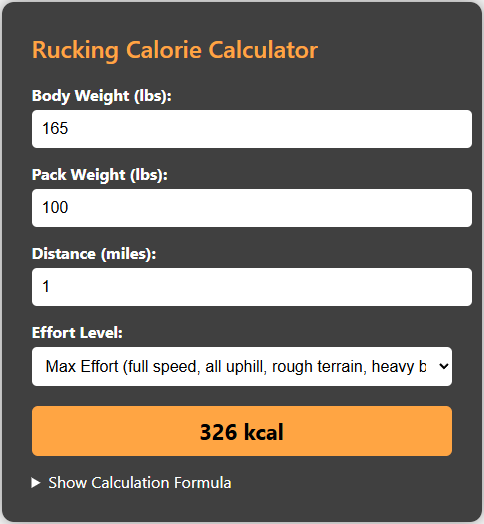
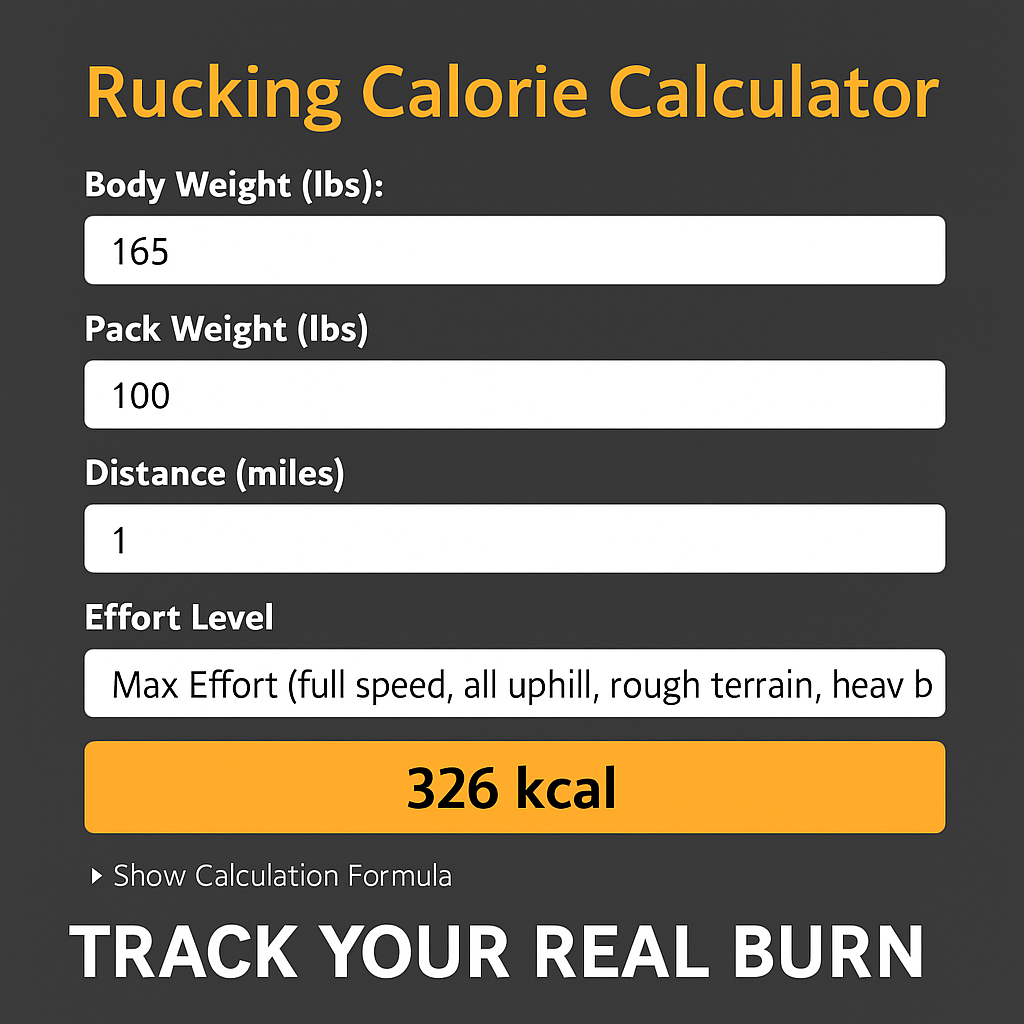
It’s not all hype. Weighted walking can torch up to 2–3x the calories of normal walking, depending on pack weight and pace. If you want to pinpoint exactly how many calories you’re burning while you go ruck yourself, use our tailored tool below:

Rucking calorie calculator screenshot

Check out the rucking calorie calculator—it’ll put your numbers in perspective for your body weight, speed, and load.

Final Thoughts: Ruck Yourself, See Real Change

Rucking may sound intimidating, but it’s gritty, real-world fitness anyone can do. Dial in your weight, pick your pack or vest, and walk with intent. Your heart, mind, and physique will show the difference. Ready to go ruck yourself?

Posted in Rucking | Tagged , , , , | Comments Off on Go Ruck Yourself: How to Thrive with Weighted Walking

Getting Started Rucking: A Practical Guide for Beginners

Why Rucking is the Most Practical Fitness Start Point

If you’re considering getting started rucking, you’re looking for a fitness method that’s simple, rewarding, and proven. Rucking means walking with a weighted pack or vest—nothing gimmicky, just classic weighted walking that builds endurance, muscle, and sheds fat at a sustainable pace.

Simple Gear, Big Benefits

To start rucking, you don’t need expensive equipment. The essentials are:

  • Comfortable shoes or boots
  • A weighted vest or a backpack (a ruck) loaded with 10–30 pounds
  • Hydration and snacks for longer walks

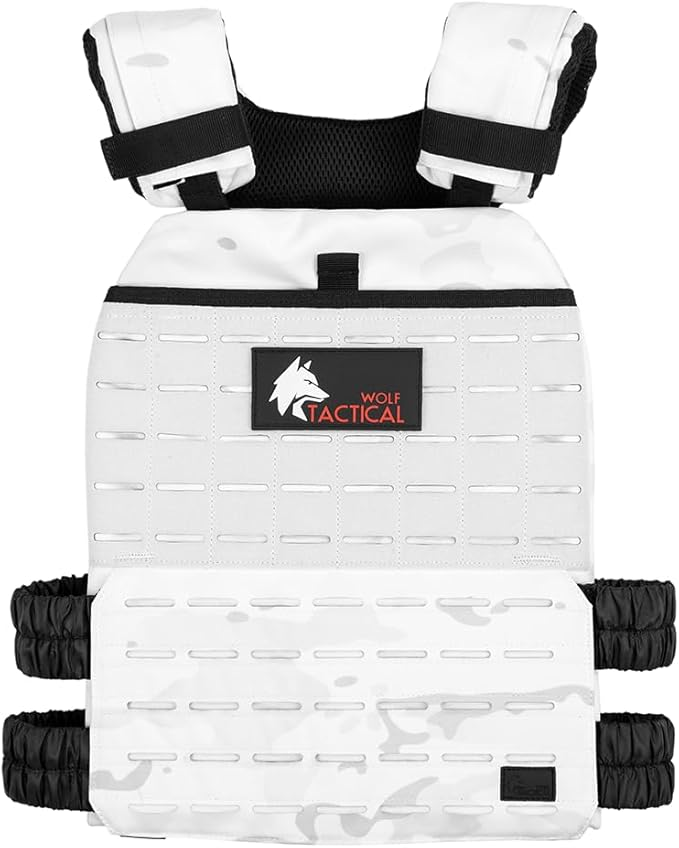
For most beginners, a weighted vest like the Wolf Tactical Adjustable Weighted Vest offers better load balance, reduces chafing, and makes it easy to adjust resistance as you adapt.

Wolf Tactical Adjustable Weighted Vest for beginner rucking
Wolf Tactical Adjustable Weighted Vest: comfortable, beginner-proof load distribution.

Setting Realistic Beginners’ Goals

Start with 1–2 ruck sessions per week, 20–30 minutes each. Aim for brisk walks, keeping conversation pace but feeling the added challenge. Progress comes from adding either a bit more weight or a bit more distance, never both at once.

Weight Selection for Your First Ruck

  • First-timers: 10–15 lbs is plenty
  • Comfortable? Increase by 5 lbs after 4–6 sessions
  • Listen to your body—rucking is intense but should never leave you wrecked

If you prefer a backpack, consider the GORUCK Rucker 4.0 20L for its sturdy design and comfort.

GORUCK Rucker 4.0 20L for beginner rucking
GORUCK Rucker 4.0 20L: durable for years of reliable weighted walks.

The Fundamentals: Posture and Safety

  • Stand tall, shoulders back, pack/vest snug against your body
  • Avoid swinging the pack—adjust straps or vest fit if needed
  • Check your route for uneven surfaces, and always bring water

Track Your Early Progress

Beginners see fast changes, both physically and in stamina. Rucking burns significant calories even at low speeds. To see your metrics, use the Rucking Calorie Calculator below to estimate your calorie burn every session.

Rucking Calorie Calculator screenshot
Track your calorie burn with the Rucking Calorie Calculator.

Rucking Calorie Calculator—use it to dial in your efforts and stay on track toward your goals.

Stay Consistent and Evolve

Most beginners drop out not from injury, but from boredom or overambition. Keep sessions varied—try new trails, invite a friend, or add short interval sprints after a few weeks. Consistency is where rucking shines for beginners looking for lasting results—simple work, real-world strength.

Posted in Rucking | Tagged , , , , | Comments Off on Getting Started Rucking: A Practical Guide for Beginners

Bear Komplex Vest: Is It Good for Rucking?

Bear Komplex Vest: What You Need to Know for Rucking

The Bear Komplex Vest has gained respect among CrossFit and weighted vest training communities for its build quality and adjustability. But does it hold up for rucking outdoors? Let’s dig into its features, the pros and cons for rucking, and useful alternatives for real-world backpack fitness.

Bear Komplex Vest Features at a Glance

  • Adjustable fit with wide straps for comfort
  • Fits most standard weight plates (sold separately)
  • Laser-cut MOLLE system adds gear options
  • Designed for functional movement, but not specific to rucking

How Does the Bear Komplex Vest Perform for Rucking?

For rucking, you want weight stability, minimal chafing, and the ability to wear the vest for an hour or longer. While the Bear Komplex Vest offers solid load distribution across the shoulders and chest, some users report that it can bounce or shift on extended walks, especially with heavier plates and at faster paces.

Its adjustability is a plus, but ventilation could be better on warmer days or longer rucks. The MOLLE system does add some backpack-like versatility, allowing you to attach hydration pouches or small accessories—handy for ruckers venturing farther from home.

Real Rucking Alternatives

Should You Ruck with a Weighted Vest or Traditional Pack?

If your main goal is outdoor hiking or long weighted walks, a weighted vest (like Wolf Tactical or 5.11 TacTec) can work well for walks up to 60–90 minutes. For true long hauls, try a dedicated rucking backpack such as the CamelBak Motherlode Tactical Hydration Backpack.

CamelBak Motherlode Tactical Hydration Backpack for rucking
CamelBak Motherlode: Fully adjustable for load and hydration on extended rucks.

Track Your Rucking Calories Burned

Curious how many calories you’re actually burning during a vest ruck or backpack session? Use our free Rucking Calorie Calculator to measure your output for any distance and weight:

Rucking Calorie Calculator tool
Estimate calorie burn for any ruck vest or backpack session with our Rucking Calorie Calculator.

Whether you use the Bear Komplex Vest or opt for a dedicated rucking vest (like Wolf Tactical or 5.11 TacTec), accurate tracking helps you hit your fitness goals with confidence.

Posted in Rucking | Tagged , , , , | Comments Off on Bear Komplex Vest: Is It Good for Rucking?

Mastering the Ranger Ruck March: Essential Gear, Training, and Tips

What is a Ranger Ruck March?

The ranger ruck march isn’t just any hike—it’s a test of strength, endurance, and mental grit. Often associated with Army Ranger School and other elite military selections, a ranger ruck march covers long distances (12+ miles) over varied terrain, usually with a weighted rucksack or pack weighing 35–50 pounds. Mastering it means dialing in your gear, nutrition, and pacing for peak performance while under load.

Choosing the Right Gear for a Ranger Ruck March

Success on the ranger ruck march starts with durable, well-balanced gear. Your rucksack must fit well and distribute weight evenly to minimize fatigue and injury risk. Hydration, comfort, and the ability to quickly access essentials all matter.

  • Backpack/Rucksack: For tough, long distances, the CamelBak Motherlode 100oz Mil Spec Crux Hydration Backpack is an exceptional pick. Its built-in hydration, adjustable fit, and MOLLE attachments suit both weight and cardio demands.
    CamelBak Motherlode 100oz Mil Spec Crux Hydration Backpack
    Camouflage durability, built-in hydration, and ideal for long marches.
  • Weighted Vest: Some ruckers train with vests for better load distribution or to alternate muscle engagement. The Wolf Tactical Adjustable Weighted Vest is a solid choice—comfortable, adjustable, and great for both men and women.
    Wolf Tactical Adjustable Weighted Vest for rucking
    Distributes weight evenly and increases ruck march challenge safely.
  • Weight Plates: Add or remove weight as needed with Yes4All Ruck Weight Plate sets. These fit most packs and vests.
    Yes4All Ruck Weight Plate for ranger ruck march training
    Modular, safe weight increase for progressive training.

Training Strategies for Ranger Ruck March Success

To prepare for this challenging event, ramp up your training over several weeks. Start with shorter rucks (4–6 miles at 20–25lbs), and increase both the distance and pack weight gradually. Integrate hill work, uneven terrain, and timed sessions. Remember, ranger rucks aren’t just about pace—it’s about staying strong to the finish.

Key Training Tips

  • Wear the boots and socks you’ll use on march day.
  • Practice adjusting your gear while under load; hotspots and small imbalances can become big problems by mile 10.
  • Stay hydrated and refuel with slow-digesting carbs and electrolytes.
  • Cross-train with strength and core work—rucking isn’t just legs!

Hydration and Nutrition During Long Ruck Marches

Hydration is non-negotiable. Carrying a CamelBak Motherlode or similar pack means you’ll always have water accessible. For hot, long rucks, adding an endurance supplement like Pump-Ocalypse for hydration support is a smart move—a habit I picked up after learning the hard way on multi-hour rucks.

Pacing and Mindset

Most importantly, start at a sustainable pace. Save the all-out speed for the last mile if you have energy left. Remember, completing the ranger ruck march is as much about mental toughness as it is about physical prep.

Track Progress with Smart Tools

If you want to dial in your calorie burn or plan recovery for future rucks, the Rucking Calorie Calculator is indispensable. Calculate your real effort, plan nutrition accordingly, and chart improvements for every ruck march challenge.

Rucking calorie calculator screenshot

Know your numbers—optimize recovery, training load, and nutrition every step of the way. Try the calculator now.

Posted in Rucking | Tagged , , , , , | Comments Off on Mastering the Ranger Ruck March: Essential Gear, Training, and Tips

Choosing the Best Weighted Vest for Walking: What Matters Most

Why Use a Weighted Vest for Walking?

Walking is one of the most accessible and sustainable forms of exercise. If you’re looking for ways to make your walks more challenging, burn more calories, or improve your cardiovascular health, incorporating a weighted vest for walking could be a game-changer. Wearing a weighted vest adds resistance, forces your body to work harder, fires up your core stability, and introduces a modest strength component to your daily strolls—all without making things overly complex.

Key Benefits of Walking with a Weighted Vest

  • Increases calorie burn by 10-20% over standard walking, supporting weight loss and endurance goals.
  • Improves functional strength, especially for your legs, core, and stabilizer muscles.
  • Enhances cardiovascular and muscular fitness without the impact of jogging or running.
  • Boosts bone density—a key aging safeguard.
  • Makes everyday walking more engaging and time-efficient.

How to Select the Right Weighted Vest for Walking

Not every vest is created equally. For walking, comfort, adjustability, and even weight distribution are critical. Avoid bulky gym vests or those that chafe. Instead, opt for a design that moves with you and doesn’t restrict your stride or breathing.

Wolf Tactical Adjustable Weighted Vest for walking and rucking
The Wolf Tactical Adjustable Weighted Vest offers ergonomic fit and secure straps for walking workouts.

The Wolf Tactical Adjustable Weighted Vest is one of my top picks for walking. It’s highly adjustable to suit different body types, sits close to the torso to minimize bounce, and the padding keeps it comfortable even on longer walks.

Weighted Vest vs. Backpack: Why Vests Often Win for Walkers

While rucking with a loaded backpack is excellent for heavy training, vests generally provide better balance and less strain on your lower back for lighter loads and urban walking routes. In my experience training hundreds of clients, a well-fitted weighted vest is more approachable for walkers and people new to added resistance.

BAGAIL Adjustable Weighted Vest pink for walking
For a lighter or more stylish option, try the BAGAIL Adjustable Weighted Vest—ideal for walking and beginner-friendly.

If you’re just getting started, the BAGAIL Adjustable Weighted Vest is another great choice. It’s lighter (4–10 lb), slim, and easy to slip on for a neighborhood walk or light trail session. Just be sure the weight is enough to feel challenging but doesn’t alter your natural gait.

How Much Weight Should You Start With?

If you’re new to weighted walking, keep it light—usually 5–10% of your body weight is plenty. You’ll experience benefits without risking joint issues or overloading your back and knees. As your fitness grows, you can gradually add more weight for extra challenge.

Track Your Progress & Calories Burned

Wondering how many calories you’re actually burning on your walks with a weighted vest? Don’t guess—track it! Enter your stats into our easy calculator below to estimate your true caloric burn and make your walking routine work smarter for your goals.

Rucking Calorie Calculator screenshot
Track your calorie burn with the Rucking Calorie Calculator.

Bottom Line

Adding a weighted vest to your walks is one of the simplest ways to level up your fitness, safely build strength, and burn more calories—whether you’re walking around the block or power hiking local trails. Focus on comfort, adjustability, and start light to stay injury-free. Happy walking!

Posted in Rucking | Tagged , , , , | Comments Off on Choosing the Best Weighted Vest for Walking: What Matters Most

Building Endurance with the Go Ruck Blog Approach

Why Follow a Go Ruck Blog for Your Training?

Getting started in rucking? A dedicated Go Ruck blog can make the difference between aimless walking and real progress. Whether you’re carrying a GORUCK Rucker 4.0 20L or testing out a new weighted vest, the structure and community found in top ruck blogs support every step of your journey.

Guided Rucking Plans and Motivation

Blogs dedicated to GORUCK and similar rucking systems do more than recap epic events—they offer practical training plans, gear reviews, and candid advice on overcoming plateaus. Most importantly, they explain why rucking stands out from traditional cardio. Walking with a loaded pack or vest not only burns calories but also builds durable, functional strength for the real world.

  • Weekly programming for steady progress
  • Tips on recovery, mobility, and fueling appropriately
  • Stories from real ruckers, so you know what to expect at your first event or challenge

Essential Gear Recommendations

If you’re considering a rucking kit upgrade, top Go Ruck blogs often point toward gear that’s proved itself through miles of tough use.

GORUCK Rucker 4.0 20L pack for rucking
GORUCK Rucker 4.0 20L: Built for hard miles and lasting comfort.

For advanced ruckers or those joining GORUCK events, the GORUCK Rucker 4.0 20L offers best-in-class load distribution and durability, making it a staple across blog communities.

But not every ruck has to start with a backpack. Some of the best Go Ruck blogs now discuss vests, especially for urban walking or those who prefer a close-to-the-body load. The Wolf Tactical Adjustable Weighted Vest offers adjustability and breathability from first walk to multi-hour endurance sessions.

Wolf Tactical Adjustable Weighted Vest for rucking
Wolf Tactical Adjustable Weighted Vest: Perfect for urban rucks and versatile loadouts.

Skillful Load Management

The best Go Ruck blogs break down not just gear choices, but also how to safely ramp up ruck weight. Remember, consistency and gradual increases always outperform ego-lifting. Whether you’re using a classic ruck plate or a vest, focus on excellent posture, regular rest, and honest progress tracking.

  • Start with 10–20 lbs for beginners, adding weight only after form is solid
  • Alternate terrain and change up pack/vest type to avoid overuse injuries
  • Track your times, distance, and recovery—use tech (like GPS watches) or simple logs

How Many Calories Are You Really Burning?

Ruckers are often surprised how different their calorie burn is compared to regular walks. That’s where specialized tools help. For real-world insights, use the Rucking Calorie Calculator before or after each new route or event.

Rucking Calorie Calculator screenshot
Track your calorie burn with the Rucking Calorie Calculator.

Wrapping Up

Following a solid Go Ruck blog puts proven, effective techniques into your feed. Gear tips, community encouragement, and focused programming turn a basic walk into a results-driven practice. Start rucking smart—choose the best tools, pace yourself, and leverage the experience forged by the ruck community.

Posted in Rucking | Tagged , , , , , | Comments Off on Building Endurance with the Go Ruck Blog Approach

Mastering the Army Ruck March: Tips, Gear, and Training

Understanding the Army Ruck March: What, Why, and How

The army ruck march is an essential test of endurance, mental grit, and tactical preparedness. As a certified personal trainer who lost 90 lbs through rucking and continues to coach others, I know firsthand how this military staple can transform not just your fitness, but your mindset. Let’s break down what makes the army ruck march unique, training approaches that work, and the key gear I’ve relied on over the years.

Preston Shamblen before and after 90 lb weight loss through rucking
Preston Shamblen’s 90 lb transformation achieved through consistent rucking and strength training.

What Is an Army Ruck March?

An army ruck march involves carrying a loaded backpack, or “ruck,” for set distances (often 6-12 miles) at a fast pace. Usually, you’ll be packing 35+ pounds, moving quickly over mixed terrain—an absolute test of fitness and willpower. The ruck march wasn’t just pivotal in my personal transformation; it’s a classic tool for building functional strength and resilience.

Why Train Like You’re Prepping for an Army Ruck?

  • Builds real-world endurance
  • Strengthens your back, legs, and core
  • Burns more calories than regular walks
  • Improves mental toughness

If you’re aiming for weight loss or improved athleticism, there’s no better base than ruck training. Even after becoming a personal trainer, I strongly recommend rucking as the most reliable way to maintain lower body weight and burn fat—nothing else keeps me as consistent.

Essential Gear: What I Use and Recommend

Weighted Vests

Beginner or not, I often suggest starting your ruck march prep with the Wolf Tactical Adjustable Weighted Vest. Its balance and stability make longer distances less punishing on the shoulders compared to a traditional backpack, and it transitions well to other training forms.

Wolf Tactical Adjustable Weighted Vest
Wolf Tactical Adjustable Weighted Vest for balanced, comfortable Army ruck training.

Rucking Backpacks

If you’re simulating the military style or stepping up your distance, nothing matches the toughness of a GORUCK Rucker 4.0 20L pack. It’s built for punishment and ideal for those eyeing longer or heavier rucks.

GORUCK Rucker 4.0 20L ruck backpack for army marches
GORUCK Rucker 4.0 20L: Heavy-duty, military-grade rucking backpack.

Training Plan: Ruck Like the Army

  • Start light—Try 20 lbs over 2-4 miles, and gradually add 5 lbs every two weeks.
  • Work on pace—Aim for 15 minutes per mile. Time yourself and track improvements.
  • Pace yourself on longer marches—Every two weeks, push for a “long day” where you go 6+ miles.
  • Prioritize recovery—Foot care, foam rolling, and solid nutrition are crucial for consistent progress.

Track Your Calorie Burn

The army ruck march is an elite calorie burner. Want to know exactly how hard you’re working? Use our free Rucking Calorie Calculator to see your estimated burn—crucial for fat loss or fueling your training.

Rucking Calorie Calculator screenshot
Track your calorie burn with the Rucking Calorie Calculator.

Final Thoughts from Preston Shamblen

Whether you’re prepping for military service, pushing boundaries, or burning off the old you—army ruck marches forge discipline and strength like nothing else. Join me. Pick up your vest or ruck, set your sights, and let’s keep moving forward—one mile at a time.

Posted in Rucking | Tagged , , , , | Comments Off on Mastering the Army Ruck March: Tips, Gear, and Training

How to Train for the Ranger 12 Mile Ruck Test

Understanding the Ranger 12 Mile Ruck

The Ranger 12 mile ruck is a classic test of endurance, strength, and determination. Completing it is a key phase of U.S. Army Ranger School and a rite of passage for anyone pursuing advanced military fitness. The goal: complete 12 miles while carrying a prescribed load (usually 35 lbs dry weight, plus water, food, and gear) within 3 hours—or less. Success requires not just brute strength, but strategic pacing, efficient load carriage, and advanced preparation.

Essential Gear for the Ranger 12 Mile Ruck

  • Weighted Backpack: The right pack must ride close to your back, distribute weight evenly, and stay stable through long distances.
  • Hydration System: Hydration is mission-critical during any ruck march. The CamelBak Motherlode 100oz Mil Spec Crux Hydration Backpack is ideal for this kind of challenge. It supports hydration during nonstop efforts and handles variable loads.
CamelBak Motherlode Mil Spec Crux Hydration Backpack for long-distance rucking
Carry variable weights and stay hydrated on long marches with the robust CamelBak Motherlode.
  • Weighted Vest: For those seeking more balanced front-back load distribution, or to alternate stimulus between ruck training days, a vest like the Wolf Tactical Adjustable Weighted Vest is another solid option.
Wolf Tactical Adjustable Weighted Vest for rucking
Train with even load distribution using Wolf Tactical’s versatile weighted vest.

Training Approach for the 12 Mile Ruck

Build Your Base

Start with manageable distances (4–6 miles) and gradually add both weight and distance. Emphasize time on feet over speed at first. Aim to ruck 2–3 days per week, working up to 10–12 mile sessions 2–3 weeks out from your test. Rotate between pack and vest training for total adaptation.

Pacing and Footwear

Test your pace frequently. To finish in 3 hours, you need a target pace of about 15 min/mile. Use every practice session to dial in your foot care strategies, sock choices, and lacing methods. Good boots—well worn-in—are absolutely essential.

Load Carriage Tips

  • Keep heavy items high and centered on your back.
  • Adjust straps so your load doesn’t bounce or sway.
  • Practice with the exact gear and clothing you’ll wear for the test.

Nutrition and Hydration

The 12-mile ruck is as much a nutritional effort as a physical one. Hydrate steadily using a high-volume system like the CamelBak Motherlode. Take in electrolytes if conditions are hot or humid. Practice eating simple carbs (energy chews, gels, etc.) during longer training rucks.

Test Yourself

About 2 weeks before the test, complete a rehearsal—gear up, simulate load, and cover the full distance. Assess how your body responds and fine-tune your pace and foot care regime. Don’t skip recovery after this milestone!

Track Your Progress

Knowing your calorie expenditure helps you dial in nutrition and pacing. Use the Rucking Calorie Calculator to estimate calories burned during your long rucks and make strategic adjustments.

Rucking Calorie Calculator screenshot

Estimate your calorie needs for long rucks and peak performance.

Final Thoughts

The Ranger 12 mile ruck isn’t just a test—it’s a challenge that develops real-world mental and physical strength. Train consistently and dial-in your equipment, and you’ll be ready to conquer it.

Posted in Rucking | Tagged , , , , , | Comments Off on How to Train for the Ranger 12 Mile Ruck Test

How to Prepare for a 3 Mile Ruck: Gear, Safety & Optimal Results

What is a 3 Mile Ruck?

A 3 mile ruck is a fantastic way to build endurance, burn calories, and push your fitness with a pack over a manageable distance. Whether you’re a beginner or looking to fast-track military prep, understanding the essentials ensures safety and maximizes results.

Preparing for Your Ruck

  • Select Proper Weight: For most adults, 10-30 lbs is appropriate. Start low if new to rucking, then increase as your strength improves.
  • Gear Up: Wear sturdy footwear and moisture-wicking socks. A purpose-built pack like the GORUCK Rucker 4.0 20L is recommended for comfort and durability.
GORUCK Rucker 4.0 20L backpack for rucking
Reliable, comfortable backpack for optimal rucking support.

Rucking Safety and Form

  • Warm up with light stretching and dynamic movements.
  • Keep a tall posture and focused steps to avoid injury.
  • Finish with cooldown stretches to reduce soreness.

Track Your Calorie Burn

How many calories will your 3 mile ruck burn? Use the Rucking Calorie Calculator to find out based on your weight, pace, and load:

Rucking Calorie Calculator screenshot
Track your calorie burn with the Rucking Calorie Calculator.

Estimating Your Weight Loss Potential

If you’re rucking for fat loss, the Rucking Weight Loss Calculator shows real progress for 3 mile rucks over time.

Rucking Weight Loss Calculator screenshot
Estimate ruck-based fat loss with the Rucking Weight Loss Calculator.

Action Steps

  • Pick a safe 3 mile route or loop with even terrain.
  • Pack water and energy chews for stamina.
  • Use an activity tracker, like the Apple Watch Ultra 2, to monitor pace and heart rate.
Apple Watch Ultra 2 for rucking stats
Track your ruck stats and recovery with the Apple Watch Ultra 2.

For precise performance metrics, review your calorie usage via the Rucking Calorie Calculator and see your weight change potential with the Rucking Weight Loss Calculator.

Posted in Rucking | Tagged , , , , , | Comments Off on How to Prepare for a 3 Mile Ruck: Gear, Safety & Optimal Results

How the Chris Heria Weighted Vest Compares to Top Rucking Vests

Comparing the Chris Heria Weighted Vest for Rucking and Training

The Chris Heria weighted vest has made waves in the calisthenics and street workout communities. Fitness enthusiasts flock to the Heria brand, looking for the best blend of comfort, style, and load balance in their weighted training. But how does it measure up for rucking and serious weight-loaded walking?

Chris Heria Weighted Vest: Not Just for Calisthenics

Originally designed for dynamic movements like pushups, pullups, and muscle-ups, the Chris Heria weighted vest is slim, adjustable, and offers a snug fit—qualities any rucker appreciates. However, when it’s time to put in the mileage, a few other options might come out ahead:

  • Weight Range: The Heria vest usually holds up to 35 lbs. It’s ideal for beginner and intermediate rucking, but heavy ruckers may find it limiting.
  • Comfort and Breathability: Heria’s vest shines for high-rep workouts, but for multi-hour outdoor treks, breathable and padded shoulder straps become essential.
  • Versatility: For gym and street sessions, it’s hard to beat. For long outdoor rucks, some dedicated rucking vests may offer better weight balance and hydration compatibility.

Top Alternatives for Rucking

If your primary goal is rucking, weighted walking, or long-duration backpack cardio, consider these high-performance vests. These models offer superior support, padding, load distribution, and modular weight options:

  • Wolf Tactical Adjustable Weighted Vest: Reliable for both rucking and HIIT, this vest has substantial foam padding and stays flush against the torso — perfect for long walks with weight.


    Wolf Tactical Adjustable Weighted Vest
    Comfortable, adjustable, and secure—a staple for rucking or loaded hikes.
  • Kensui EZ-VEST® MAX V2: Unmatched for progressive overload, the MAX V2 can be loaded up to 300 lbs and offers robust chest support. Best for heavy trainers and advanced ruckers.


    Kensui EZ-VEST MAX V2
    Handles insane loads for the most ambitious ruckers and strength athletes.
  • 5.11 Tactical Unisex TacTec Trainer Weight Vest: A rucking staple with wide, padded straps and even weight distribution—ideal for extended sessions on trails or in the city.


    5.11 TacTec Trainer Weight Vest for rucking
    Legendary durability meets all-day comfort for ruckers at any level.

Choosing Your Vest: What Really Matters

For short, intense circuit training, the Chris Heria weighted vest is a solid, stylish pick. But for true rucking, prioritize stability, padding, and range of motion. Weighted vests like those from Wolf Tactical or 5.11 TacTec keep weight close to your core, preventing strain and letting you rack up the miles efficiently. Heavy trainers will love the adaptability of the Kensui EZ-VEST MAX V2, especially for combining strength and endurance. Pick the vest that aligns with your primary training style and comfort needs.

Track Your Calorie Burn When Rucking with Any Vest

Whether you’re using a Chris Heria vest, a Wolf Tactical, or a heavy-duty Kensui, knowing your calorie expenditure is essential for weight management and training progress. Try our calculator to see how much you’re burning during your rucks.


Rucking calorie calculator screenshot

Rucking Calorie Calculator – see your personal stats now »

Posted in Rucking | Tagged , , , , | Comments Off on How the Chris Heria Weighted Vest Compares to Top Rucking Vests