Rucking transformation story: a practical case study
I started rucking when I needed a sustainable way to lose weight and build durable conditioning without running. Over two years of consistent walks with a weighted vest and progressively longer rucks I changed how I look, feel, and move. This is a practical rucking transformation story—what worked, what I learned, and how to make steady progress without injury.
Why rucking works for long term change
Rucking forces consistent caloric burn while preserving strength. Carrying external load increases the energy cost of walking, recruits posterior chain muscles, and improves posture. Unlike many diet fads, rucking scales: add more weight, distance, or pace gradually to keep progress moving.
Key elements of my transformation
- Consistency: I rucked three to five times per week, mixing shorter recovery walks and longer weekend rucks.
- Progressive overload: I increased load in small steps and preferred plate systems so I could microload.
- Nutrition discipline: I tracked intake to ensure a sensible deficit on most weeks and prioritized protein on training days.
How to start today safely
Equipment and fit
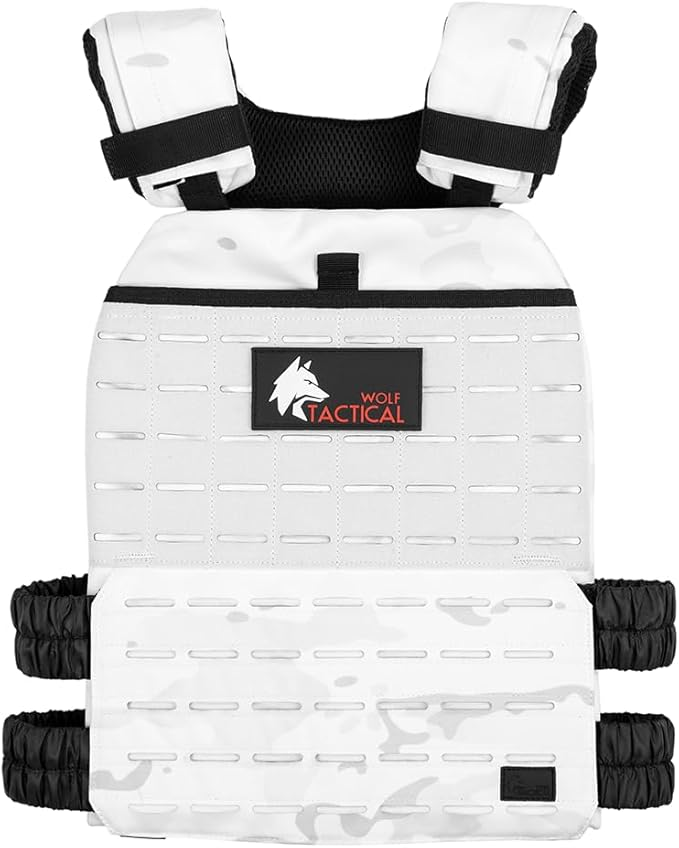
Start with a comfortable vest that distributes weight across the torso. For most beginners the Wolf Tactical Adjustable Weighted Vest is a durable, easy option that balances comfort and adjustable loading.

Pair a vest with a supportive rucksack or hydration system for longer efforts—consider the CamelBak Motherlode for all day outings.
Training structure that produced change
Weekly template
My basic weekly plan rotated intensity and volume to avoid burnout and stimulate adaptation.
- Two low-intensity rucks of 45–60 minutes with lighter load to build base.
- One long ruck of 90–150 minutes at conversational pace with moderate weight for endurance.
- One strength or mixed conditioning session without the vest to maintain mobility and raw strength.
Tracking calories and progress
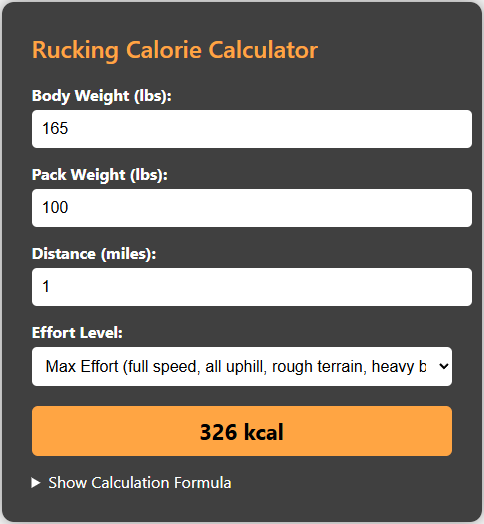
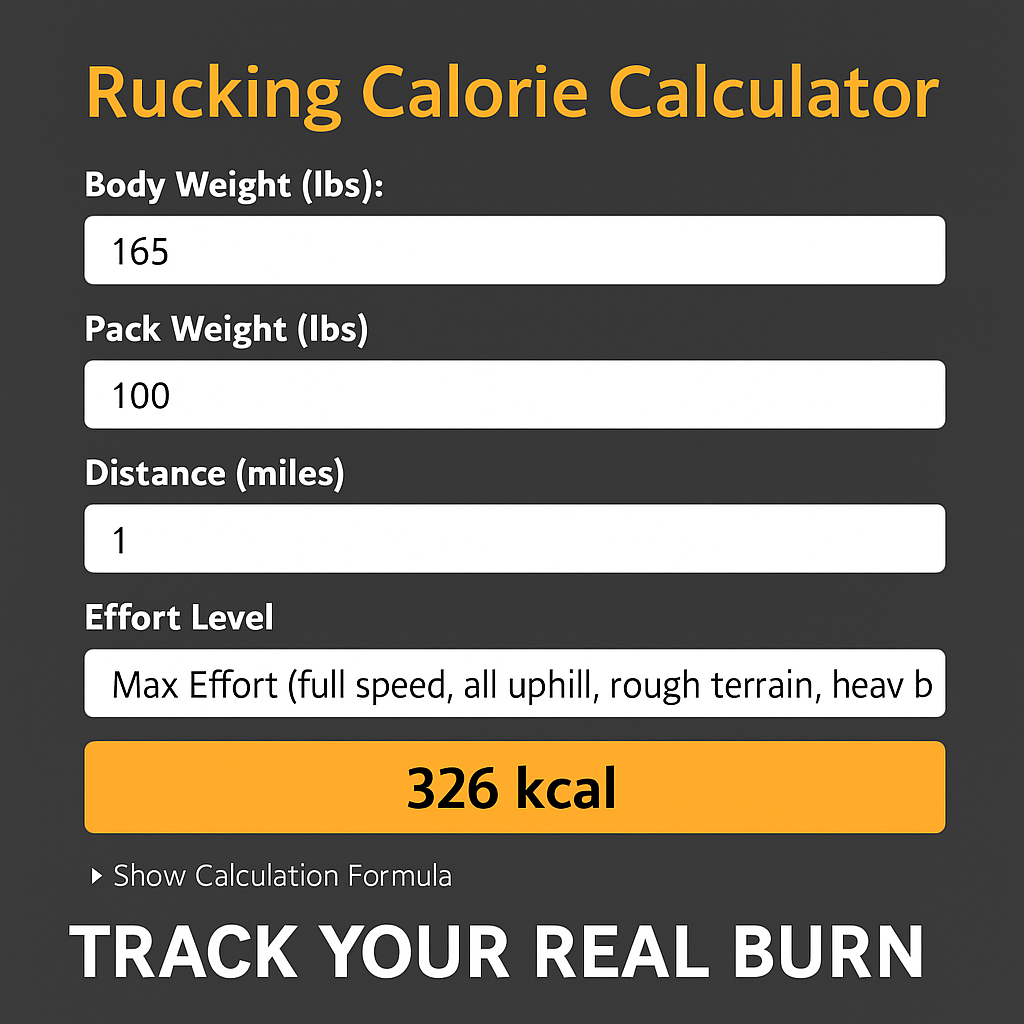
Accurate tracking takes guesswork out of transformation. Use the Rucking Calorie Calculator to estimate burn for weighted rucks and plan a sensible calorie deficit without starving yourself. Click the screenshot below to open the calculator and test your ruck variables.

Rucking calorie calculator screenshot
For convenience use the Rucking app on Android to log rucks, track burned calories precisely for both backpack rucking and weighted vest options, and access a weight loss calculator and gear links. Tap the image to install the app.

Practical tips for a steady transformation
- Start lighter than you think and add five pounds every two to four weeks.
- Keep most rucks at a conversational pace to preserve recovery and avoid joint stress.
- Prioritize protein and sleep—both matter as much as the steps you take.
- Log sessions and adjust calories based on weekly weight trends, not daily fluctuations.
Realistic timelines and expectations
Most people see measurable fat loss and improved posture within eight to twelve weeks when they combine rucking with consistent nutrition. Significant transformation—a sustained change in body composition and movement—often takes six months or more. Small, repeatable habits win over time.
Common setbacks and how I handled them
Soreness, scheduling conflicts, and plateaus are all normal. When soreness arrived I backed down intensity for a week, prioritized mobility and sleep, and kept walking without heavy load until pain eased. For scheduling conflicts I built short twenty to thirty minute rucks into busy weekdays — consistency beats duration when life is busy. Plateaus were solved by changing one variable at a time: increase load five pounds, add one extra ruck day, or push the long ruck time by thirty minutes. I tracked weigh ins weekly and used a simple upward or downward adjustment rule: if weight stalled for three weeks reduce average daily calories by one hundred to two hundred calories, or add one moderate ruck per week. This empirical approach removed emotion from decisions and kept progress steady.
Mental habits to keep
Set an achievable short term target, like losing two percent body weight or adding ten pounds to vest load in eight weeks. Celebrate the small wins — better posture, faster hill pace, or easier stairs are meaningful markers. Pair rucking with outdoor goals: local trail, a charity event, or seasonal challenge. Social accountability helped: I rucked with friends. Above all, view rucking as a repeatable habit that compounds. Small efforts produce big change when sustained over months and years.
Closing guidance
Next steps
Begin with gear that fits, schedule consistent rucks, and use the calorie calculator to align daily intake with training. Download the Android app to make logging automatic and use the vest image above to choose a durable, comfortable tool for long term success. Treat rucking as a lifestyle, not a quick fix, and the transformation will follow.