Rucking Zone 2 with Weight: Practical Guide
I coach athletes and busy people to use rucking as a reliable way to build aerobic base, burn fat, and maintain strength. Zone two with weight combines steady low intensity aerobic work with added load that increases calorie burn and reinforces posture and carry mechanics. The goal is not to sprint; instead hold a pace that leaves you breathing a bit deeper than normal, steady and sustainable for 30 to 90 minutes depending on fitness and goals.
What Zone 2 Feels Like
Zone two is aerobic endurance. You should be able to hold conversation in short sentences, breathe steadily, and sustain the effort for long intervals. Heart rate is commonly used as a marker; for most adults Zone 2 sits around 60 to 70 percent of maximum heart rate. Perceived exertion, pace, and ability to recover between efforts also matter. Introduce weight gradually so your breathing pattern remains in zone two.
Programming Zone 2 Rucks
Use frequency, duration, and load as your variables. For beginners start with two to three zone two rucks per week of 30 to 45 minutes with a light vest or plate of ten to twenty percent of bodyweight. As conditioning improves extend duration first, then add weight slowly. A typical intermediate progression is three sessions per week including one longer ruck of sixty to ninety minutes at a comfortable pace.
Safety and Form
Load placement and posture determine how much your body compensates. Keep the weight centered high on your torso, tighten your core, maintain a neutral spine, and use a short, quick stride to stay in the aerobic range. If your heart rate spikes or you begin to cough or lose gait control, reduce weight or slow your pace. Prioritize mobility and soft tissue work on hips and shoulders so the vest or pack doesn’t create pain-based movement patterns.
Sample Week
Here is a simple template that balances volume and recovery for a recreational athlete or busy professional.
- Monday: 30 to 45 minute Zone 2 ruck with 10% bodyweight.
- Wednesday: mobility, core stability, and optional 20 minute zone 2 walk with light load.
- Saturday: longer 60 to 90 minute ruck at zone 2 with sustainable weight.
Tracking Progress and Calories
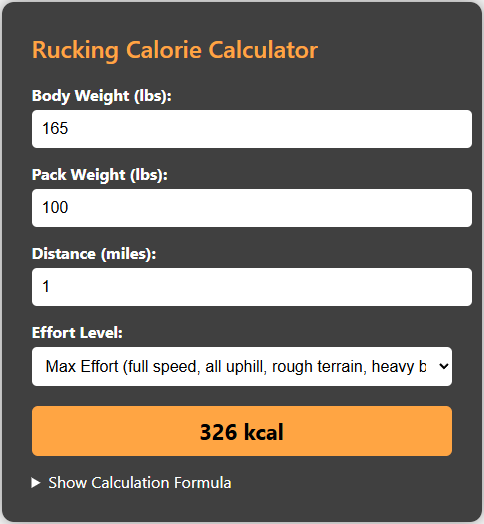
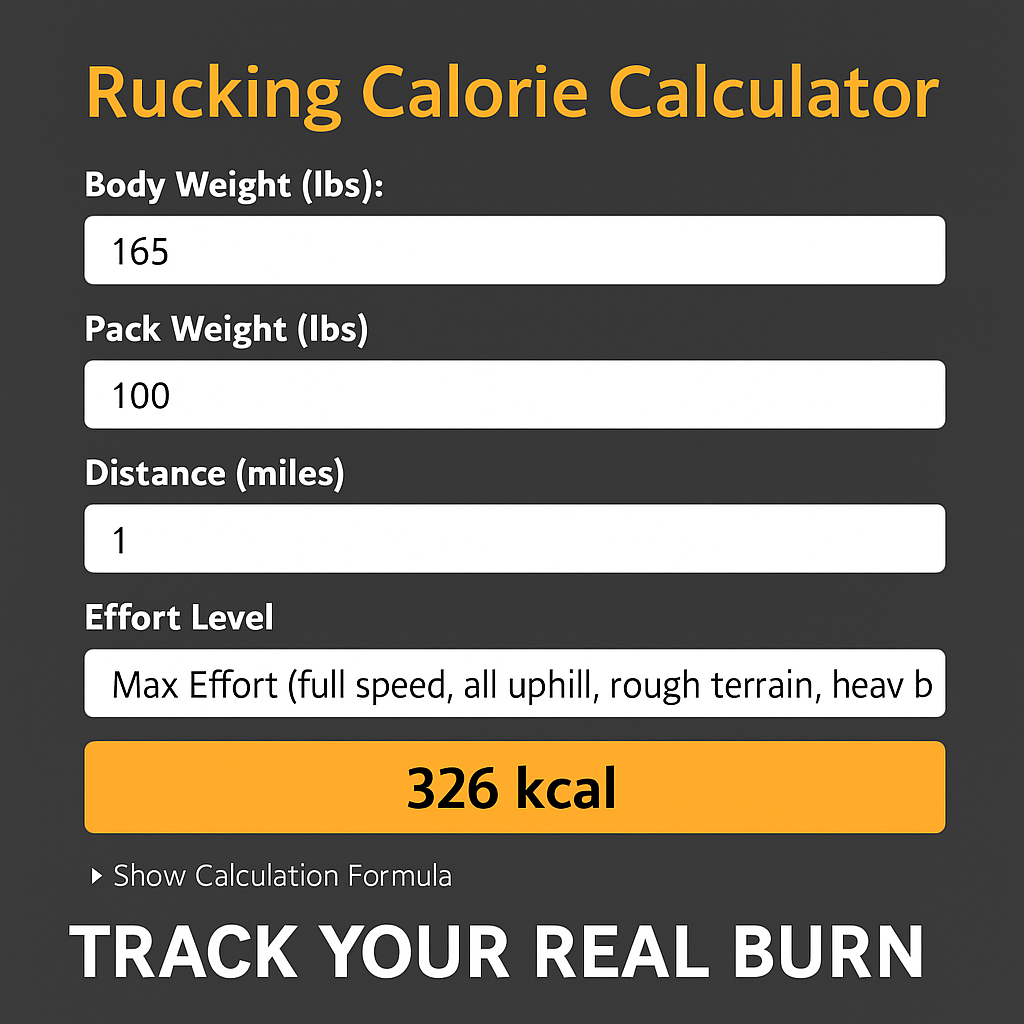
Track heart rate, perceived exertion, and session duration. Use a dedicated calorie calculator to estimate burn and adjust nutrition. Our Rucking Calorie Calculator gives a practical estimate tailored for weighted vests and backpacks.
Try the rucking calorie calculator to translate sessions into energy expenditure and plan meals and recovery.

Track sessions with the Rucking app on Android, which logs vest or backpack options, calories, and links to gear.

Hydration, electrolytes, and sleep determine how well you absorb the training load. For long zone two rucks I use electrolyte mixes on the trail and recommend a scheduled sip pattern. Consider Pump-Ocalypse for long hot walks as part of a hydration plan and keep calories modestly below maintenance if your priority is fat loss.
Gear Picks
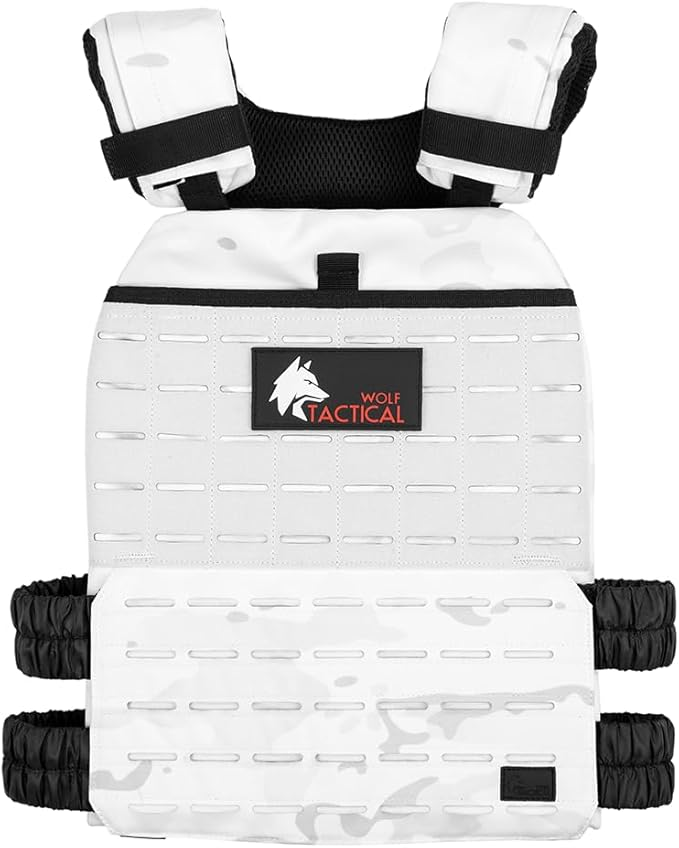
Choose equipment that supports steady movement. For comfort and adjustable loads I favor reliable vests that sit snug and spread weight across the torso. For most people a versatile option is the WOLF TACTICAL Simple Weighted Vest that works well for walking and rucking.
Find the WOLF TACTICAL Simple Weighted Vest here.

Begin conservatively and log every session. On weeks when life gets busy maintain two zone two sessions rather than drop to zero, reducing duration if necessary but keeping the habit. Every four to six weeks add a planned recovery week where you cut volume by thirty to fifty percent. Recovery weeks allow connective tissue and mitochondria to adapt so that subsequent progress is safe and durable.
If your priority is weight loss combine zone two rucks with modest calorie control and regular protein and resistance training sessions to preserve muscle. Weighted vest work makes low intensity sessions more productive without forcing high impact or sprinting. Track body composition trends over months instead of daily scale fluctuations. Use the calorie calculator linked above, then refine nutrition so you lose roughly half to one percent of bodyweight per week while maintaining energy for outdoor training.
Start simple: pick a comfortable vest, walk at a steady aerobic pace, track heart rate and duration, and use the Rucking Calorie Calculator to set targets. Download the Android Rucking app to log workouts, toggle between vest and backpack modes, and access gear discounts before your next long walk. Consistency wins: zone two with weight is a low risk, high return method to build endurance and control body composition across seasons. Respect rest and keep moving daily outdoors.