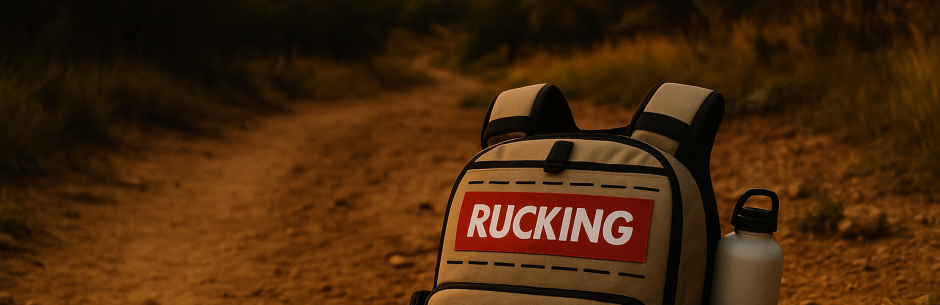
Best socks for rucking: protect your feet, go farther
Choosing the best socks for rucking is as important as picking the right boots or weighted vest. Good socks reduce blisters, manage moisture, and provide just enough cushioning and support to keep your feet healthy mile after mile. This guide cuts through brand noise and focuses on function, fabrics, and practical selection criteria for outdoor rucking with load.
Why socks matter more than you think
Socks are the interface between skin and shoe. In rucking, repeated friction, sweat, and load change how your foot moves inside the boot. The right sock does three things: wick moisture, limit friction, and provide targeted padding. Get those three right and you’ll prevent hotspots, reduce blister risk, and maintain comfort on longer marches or weighted walks.
Key features to prioritize
- Material blend: Merino wool blends or technical synthetics (polypropylene, nylon, polyester) offer moisture control and odor resistance without excessive insulation.
- Fit and seams: Look for a snug, anatomical fit with flat or no toe seams to avoid pressure points.
- Cushioning zones: Light to medium cushioning in heel and forefoot helps with impact when carrying weight.
- Compression and arch support: Mild compression around the arch reduces foot fatigue over long rucks.
- Height: Crew or over-the-calf for ankle protection in rough terrain; quarter socks can work for short, flat rucks in warm weather.
Materials — pros and cons
Merino wool is excellent because it wicks, resists odor, and regulates temperature. It can be paired with nylon for durability. Pure cotton is a poor choice for rucking because it holds moisture. Synthetics excel for fast-drying and durability; blended options often give the best balance.
What to use for different conditions
- Hot, high-mileage rucks: Lightweight merino blends or thin synthetic socks that prioritize wicking and ventilation.
- Cold-weather or multi-day hikes: Midweight merino blends with extra cushion in heel/toe for insulation and comfort under load.
- Technical or uneven terrain: Socks with reinforced stitching and higher cuffs to protect against brush and debris.
Fit tips and blister prevention
Always ensure a snug fit without bunching. Use a liner sock if you are prone to blisters; a thin synthetic liner reduces friction and is effective with an outer merino sock. Keep nails trimmed, change socks when they are saturated, and consider using friction-reducing balms on common hotspots before a long ruck.
Care and longevity
Wash socks inside out on a gentle cycle and air dry when possible to preserve fibers and elasticity. Rotate multiple pairs to extend lifespan. Replace socks when cushioning compresses or you notice thinning at the heel or toe — degraded socks increase blister risk when carrying load.
Practical recommendations for ruckers
- Carry two pairs per day on long outings: start dry, swap mid-ruck if necessary.
- Test socks on short training rucks with the same boots and load you’ll use for longer missions.
- Match sock height to boot height to prevent chafing at the cuff.
Tools to plan your training and calorie goals
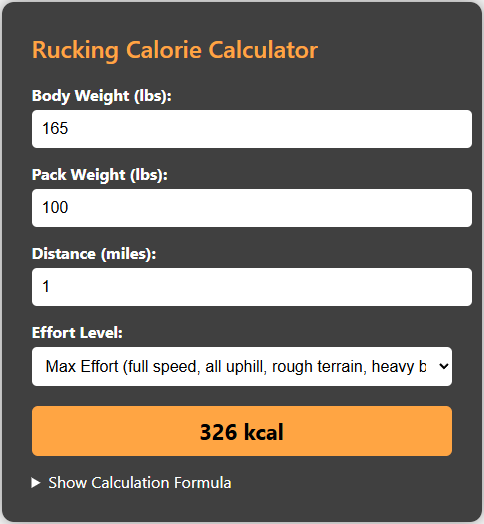
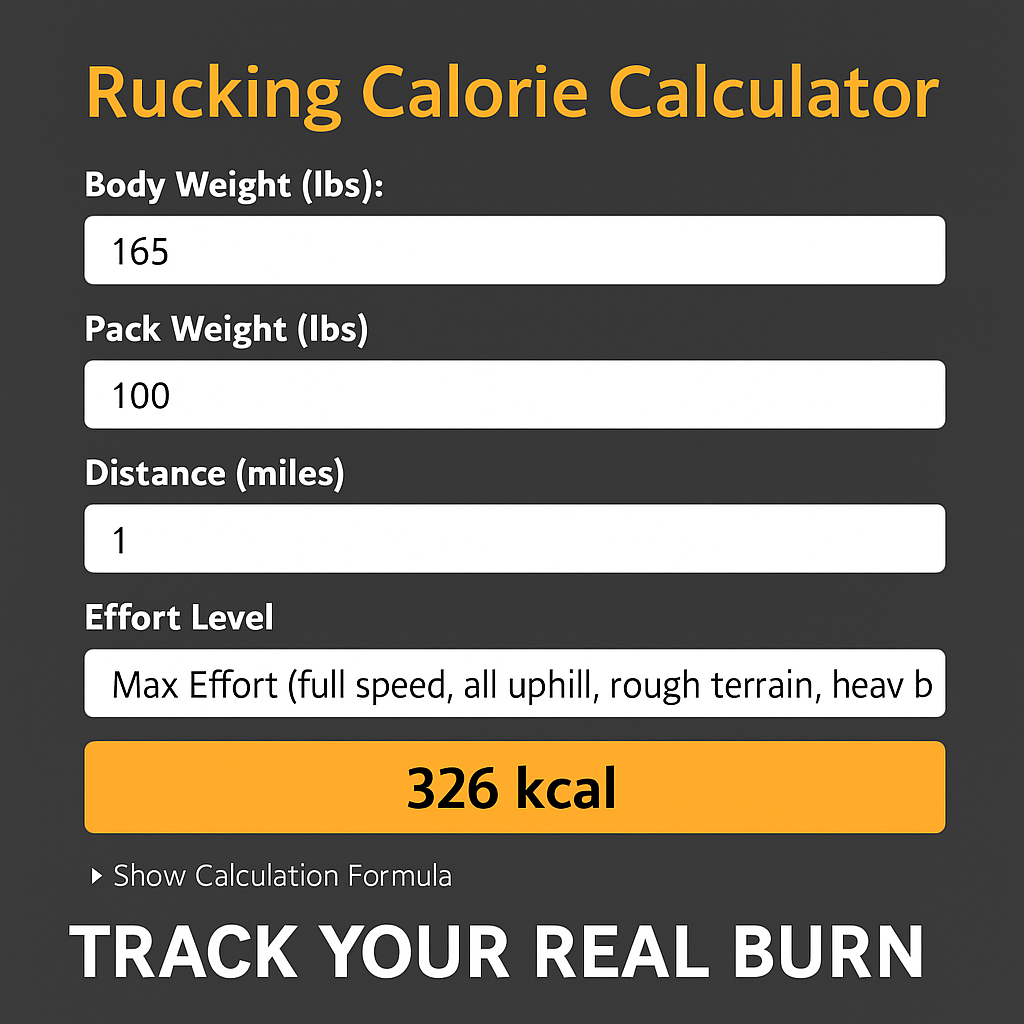
When you plan longer weighted walks, use the online rucking calorie calculator to estimate energy needs and help decide gear and food. Click the image below to open the calculator and see how sock choices affect blisters and pace indirectly by changing comfort and performance.

Track rucking with the mobile app
Use the Rucking app on Google Play to track distance, calories burned, and whether you used a weighted vest or backpack. The app helps log conditions and gear so you can associate sock choices with comfort outcomes. Tap the image to install:

Bottom line
Choose the best socks for rucking based on material, fit, and cushioning for your climate and load. Test pairs on training rucks, rotate them, and track your results with the calculator and app. Small investments in quality socks deliver outsized returns in comfort, performance, and fewer blister days on the trail.