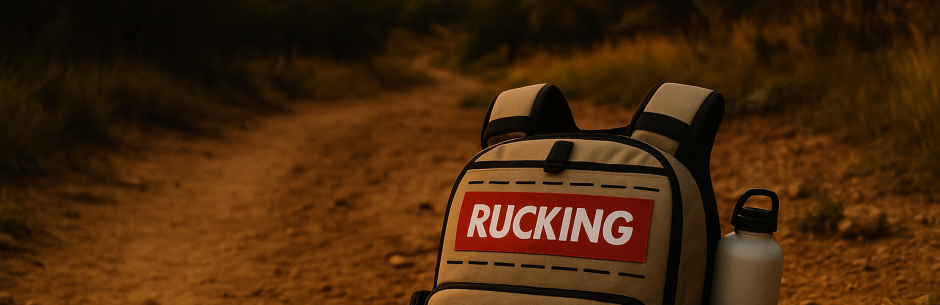
Rucking in heat safety
Rucking in hot weather is a straightforward training method but one that requires discipline, planning, and respect for heat illness. This guide focuses on practical adjustments you can make to keep training safe while preserving performance and consistency. Read it before your next hot-weather ruck and plan accordingly.
Core principles
Heat safety for rucking comes down to hydration, pacing, clothing, load management, and acclimation. Each factor reduces risk and helps you move with confidence when temperatures rise. Use conservative defaults early in a heat wave and increase intensity only after several heat-adapted sessions.
- Hydration before, during, and after — drink proactively rather than waiting to feel thirsty.
- Pacing — slow the average speed and embrace walk breaks to avoid excessive cardiovascular strain.
- Clothing — light, breathable layers and a hat to shield sun-exposed skin.
- Load management — reduce vest or pack weight on the hottest days.
- Acclimation — gradually increase duration and intensity over 10 to 14 days.
Hydration strategy
Carry a hydration system such as a reservoir or bottles and sip frequently. For multi-hour rucks in high heat, include electrolyte replacement to maintain sodium balance. Heat increases sweat rates and sodium losses, so plain water alone can be insufficient for longer sessions.
Consider a dedicated rucking hydration pack like the CamelBak Motherlode Tactical Hydration Backpack for capacity and durability:

During long rucks, rotate between water and an electrolyte drink. Pre-load with fluids starting the evening before significant heat exposure. If you begin the ruck thirsty or with dark urine, delay or shorten the session.
Adjusting load, pace, and duration
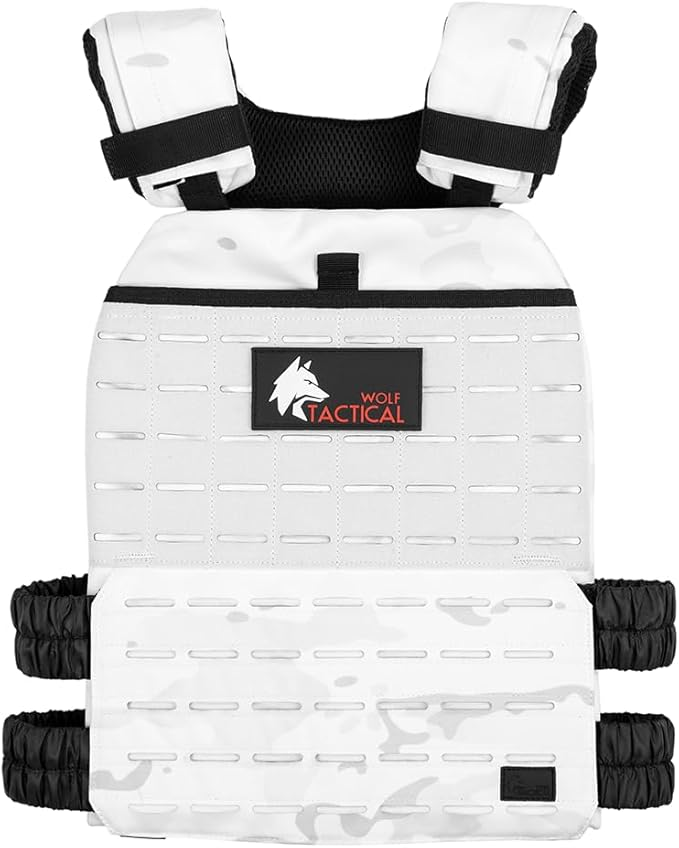
Weighted vests and heavily loaded packs increase metabolic heat production. On hot days reduce weight by 10 to 30 percent depending on your experience and fitness. If you feel lightheaded, excessively sweaty with cooling failure, or your heart rate is unusually high, stop and remove weight.
- Begin hot-weather sessions at an easy conversational pace.
- Plan frequent planned rest stops in shade and monitor heart rate and perceived exertion.
- Shorten distance or time until you demonstrate heat tolerance across successive sessions.
Recognizing heat illness
Know the signs: excessive cramps, nausea, vomiting, dizziness, confusion, and altered mental status are emergencies. Heat exhaustion precedes heat stroke. If someone shows neurologic symptoms, rapid cooling and emergency services are required immediately.
Practical gear and prep
Wear light technical fabrics, a ventilated hat, and sunscreen. Bring a simple first aid kit, a small towel for evaporative cooling, and a fully charged phone. Pre-ruck check-in with a partner is wise when rucking alone in extreme heat.
Use the calorie calculator to plan effort
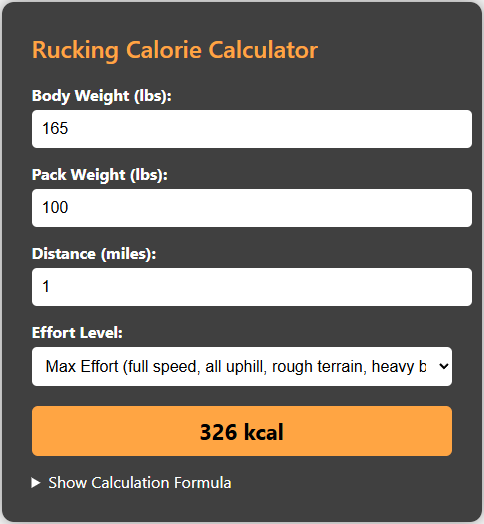
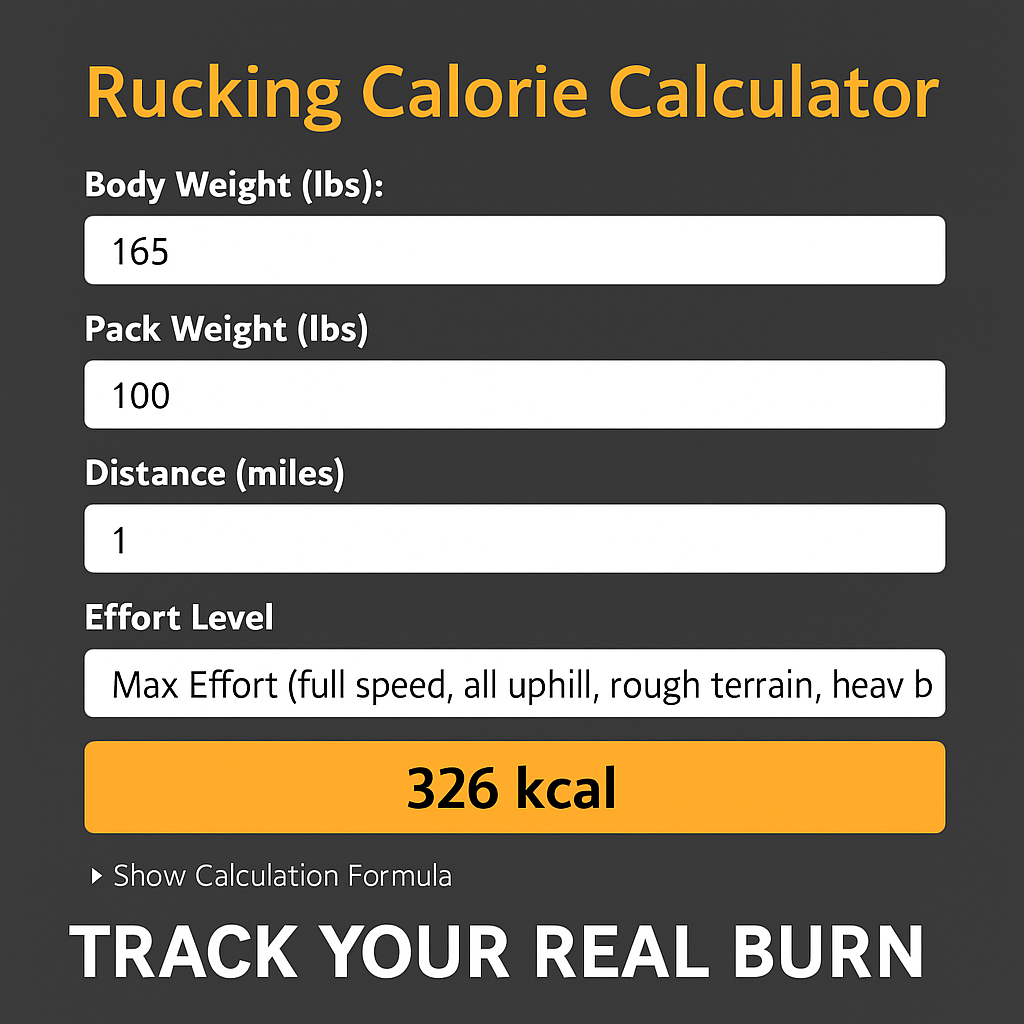
Understanding calorie burn helps you plan nutrition and fluid needs. Use the rucking calorie calculator to estimate energy expenditure for your chosen weight, pace, and duration. Click the screenshot to open the calculator and adjust variables for hot-weather pacing:

Track sessions with the Rucking app
The Rucking app on Google Play tracks calories burned, supports weighted vest and backpack options, and includes a weight loss calculator. Use it to log heat-adapted sessions and monitor trends. Tap the image below to install the Android app:

Bottom line
Rucking in heat safety is achievable with proper planning: hydrate, dial back weight and pace, wear sun-friendly gear, and acclimate gradually. Respect the signs of heat illness and use tools like the rucking calorie calculator and the Rucking app to guide decisions. Train smart, prioritize safety, and you will keep progress consistent even in the heat.
Quick tips and checklist
Keep a predictable routine for hot-weather training. Weigh yourself before and after rucks to estimate fluid loss and replace each pound lost with roughly 16 to 20 ounces of fluid. Track symptoms and have an emergency action plan. Small changes compounded over days avoid crises.
- Start early in the day to avoid peak afternoon heat and pick shaded routes when possible.
- Wear a light base layer, breathable socks, and rotate socks if you sweat heavily to reduce blisters.
- Use a lightweight, ventilated vest rather than an overstuffed pack on short hot sessions.
- Carry salty snacks or electrolyte tablets for sessions longer than ninety minutes to maintain sodium and appetite.
- If training partners are present, stagger start times and monitor each other for cognitive changes or slowed gait.
- Practice cool-down techniques like pouring cool water over the neck and using a wet towel in shade after strenuous efforts.
Finally, slow cadence and prioritize finishing safely over hitting distance goals. If conditions are extreme, move workouts indoors or substitute low stress cross training until heat abates. Log each hot session with perceived exertion, hydration notes, and any symptoms so you can sensible adjust future plans and stay safe.