Rucking distance time pace tracker helps you measure speed and progress during walks and loaded rucks. This guide explains how to track distance, calculate average pace, pair pace with calorie estimates, and choose simple tools that fit outdoors training. I’ll focus on practical field methods rather than complicated gadgets so you can get usable numbers every outing.
Why distance and pace matter
Distance alone tells you volume, pace tells you intensity, and combining the two reveals power over time and sustainability. For rucking, pace expectations differ based on load, terrain, and conditioning; a consistent metric lets you compare sessions fairly.
What to track and why
At minimum track distance, moving time, average pace per mile or kilometer, and perceived exertion. Add heart rate or step cadence when possible to refine effort zones and to correlate pace drops with fatigue.
Tools that work on the trail
A reliable GPS watch or phone app gives distance and moving time; pair that with a simple stopwatch if you want redundancy. For nutritional and calorie context use the Rucking Calorie Calculator linked below to turn pace and load into burn estimates.
How to compute average pace
Divide moving time by distance to get minutes per mile or kilometer. Use only moving time to avoid pauses from skewing pace. If your watch reports total time subtract stop time or use the watch moving time feature.
Practical pace targets
A beginner rucker with a light vest or empty pack on relatively flat ground should expect a 16 to 20 minute mile pace, while experienced ruckers with moderate loads can sustain 12 to 15 minute miles. Adjust expectations for hills, technical terrain, or heat.
Using pace to guide workouts
Use pace zones to structure training: easy pace for recovery, moderate for aerobic conditioning, and tempo for threshold work. For intervals pick a target pace and maintain it for set distances while monitoring recovery and form.
Calorie estimates and the calculator
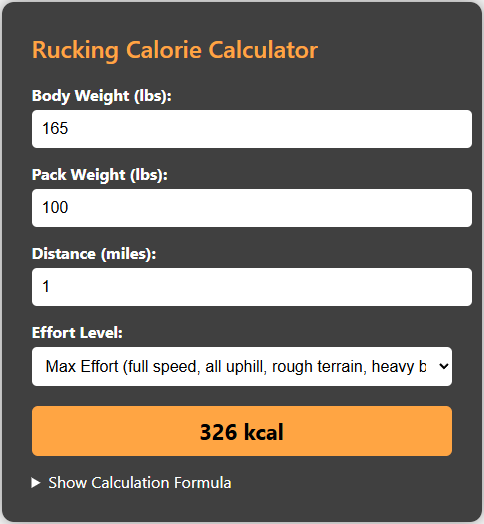
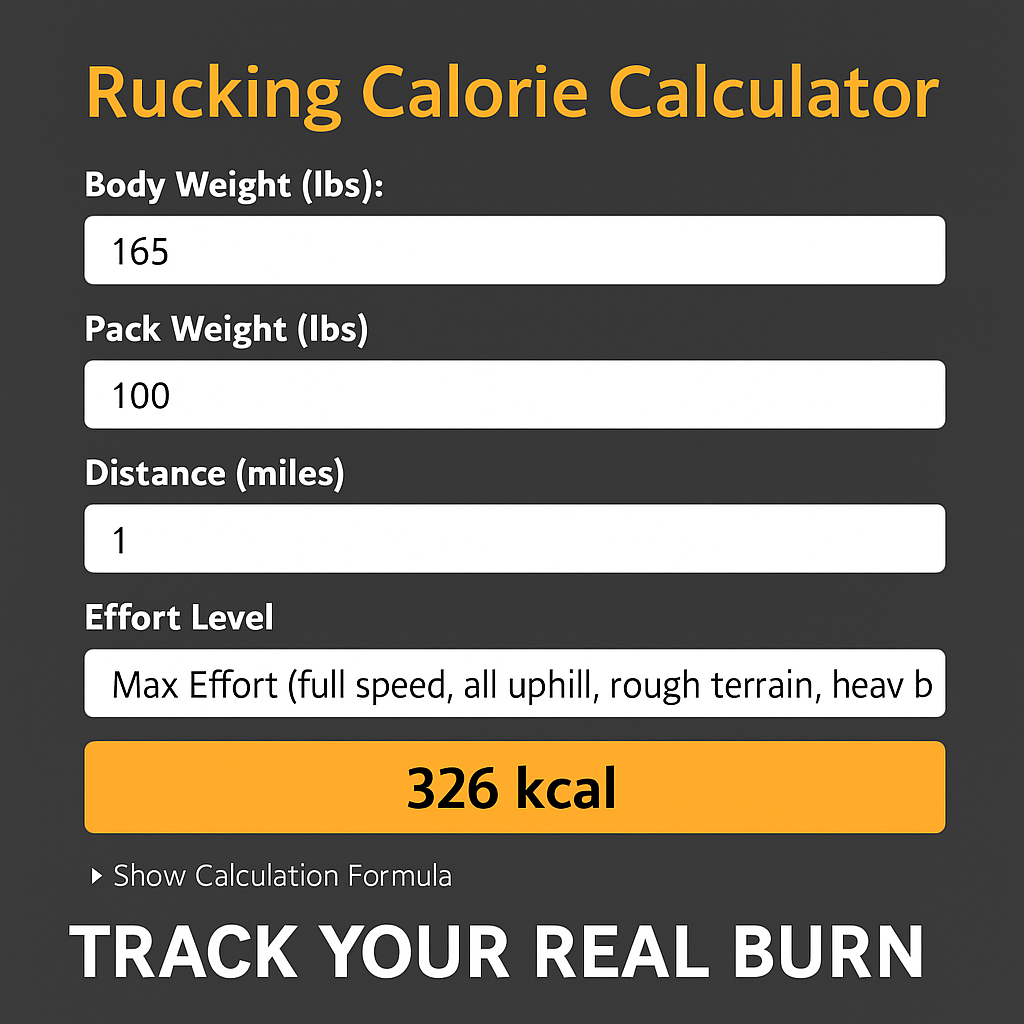
Load changes how many calories you burn at a given pace. The Rucking Calorie Calculator converts your weight, load, distance, and pace into a reliable estimate. I recommend saving sessions and comparing similar conditions to see real trends rather than single-session numbers. Use this screenshot link to access the calculator and capture your exact metrics.

Simple tracking workflow
Start the GPS app or watch and record moving time. Note load weight and terrain. Finish and export distance and moving time. Enter numbers into the Rucking Calorie Calculator and log results. Compare similar sessions weekly.
Gear to consider
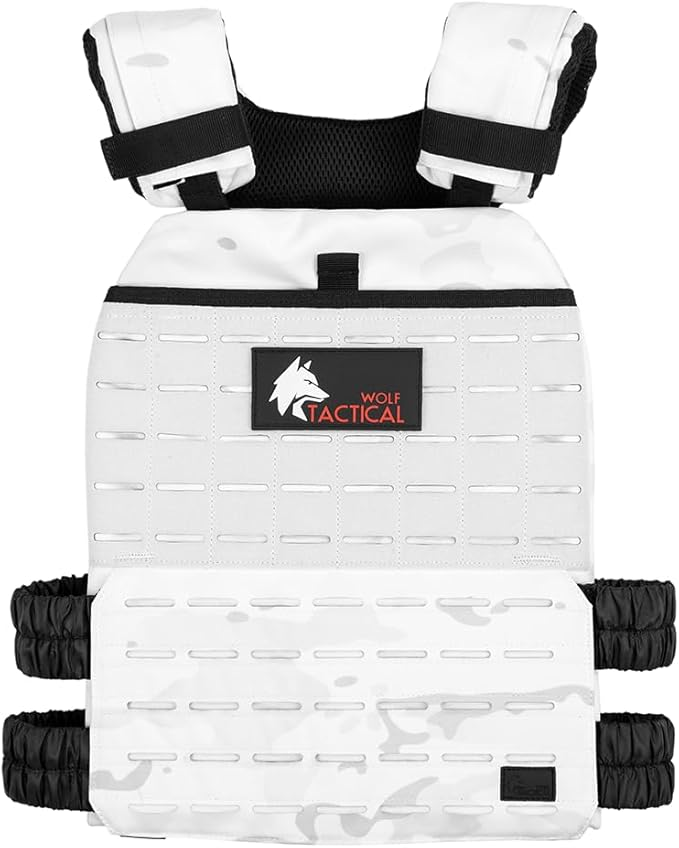
A durable pack like the GORUCK Rucker 4.0 20L is ideal for consistent distance work and load carriage. It rides well, accepts plates, and blends comfort with durability. When comfort and fit matter choose a vest made for rucking rather than a generic run vest.

Common errors to avoid
Counting total time instead of moving time, ignoring load weight changes, and comparing sessions on unlike terrain are frequent mistakes. Fix these and your pace metrics will tell the true training story.
Conclusion and CTA
Track distance and moving time consistently, use average pace as your intensity metric, and run numbers through the Rucking Calorie Calculator to understand energy cost. For Android users install the Rucking App on Google Play to track calories, log weighted vest sessions, and access gear links and discounts.

Use the screenshot below to open the Rucking Calorie Calculator, plug in weight, vest or pack load, distance, and pace, then save the output to your training log for comparison. One clean workflow, accurate moving time, and consistent loads deliver the best progress signals for rucking distance and pace.
Quick field tips
- Warm up with brisk walking five to ten minutes before starting GPS to reduce early pace variability.
- Check shoe traction and pack fit; small adjustments save large energy leaks over miles.
- If hills slow pace, note elevation and use calories per mile comparisons rather than raw pace.
- Sync data weekly and manually review any outliers before adjusting targets.
Consistent, simple tracking builds confidence. Don’t chase perfect numbers; aim for repeatable conditions so that distance, moving time, and pace reflect true fitness changes. Over months prioritize weekly steady increases in distance or slightly faster sustainable pace rather than sudden weight or pace jumps that raise injury risk. Log subjective notes about soreness, sleep, and hydration because those factors explain pace variation almost as often as training load. When you want a deeper analysis export GPX or FIT files from your device and add them to a spreadsheet with load and calories from the Rucking Calorie Calculator. That combination gives clear, objective progress markers that translate directly into safer, repeatable training plans outdoors. Start tracking.