How many calories does rucking burn with a 30 lb pack?
Rucking with a 30 lb pack is one of the simplest, most reliable ways to increase daily calorie expenditure without complicated intervals or gym time. The extra load forces your body to recruit more muscle, raise heart rate, and maintain posture for longer — all of which add up to steady energy burn. Below I give a practical way to estimate calories burned and tools to track your actual numbers while you train outdoors.
Quick reality check
There’s no single number that fits everyone. A 150 lb walker moving at 3.0 mph with a 30 lb pack will burn meaningfully more calories than the same person walking without weight, and heavier or faster walkers burn more again. Terrain, temperature, pack fit, and your conditioning level change the equation. Use the method below to get an individualized estimate, then verify in the field.
Step-by-step estimate method
- Start with your bodyweight and planned pace (mph) for the ruck.
- Add the pack weight (30 lb) to bodyweight to calculate the effective load.
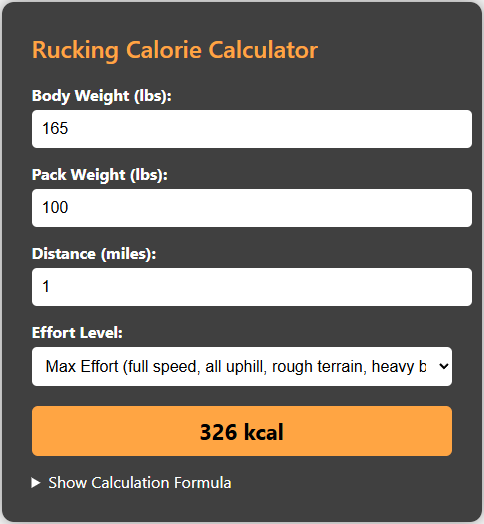
- Use a validated calorie calculator built for rucking to convert load, pace, distance, and time into calories.
- Adjust for hills (+10–30% depending on steepness) and heavy terrain like sand or mud (+15–40%).
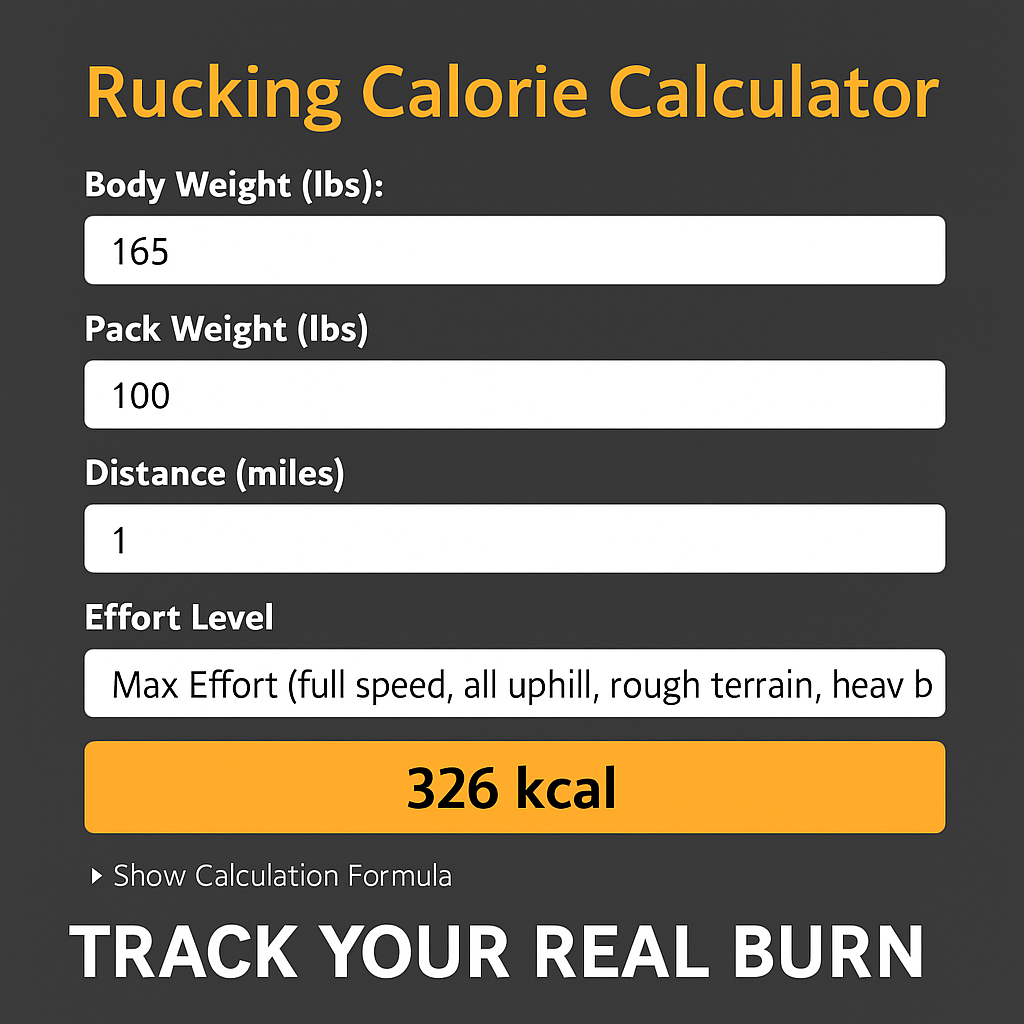
For an immediate, reliable calculation use the rucking calorie calculator linked below. It’s tuned for weighted backpack and vest work and gives an actionable estimate you can use to plan workouts and recovery.

Example: 150 lb person, 30 lb pack, 3 mph, 60 minutes
Using the calculator above, a 150 lb person carrying a 30 lb pack at a steady 3.0 mph for one hour will typically burn in the range of 500–700 calories depending on terrain and conditioning. That range reflects differences in individual metabolic rate and the energy cost of carrying a load for prolonged periods. If you walk faster or cover more elevation, expect the higher end of the range.
How to verify your estimate
- Use the linked calculator for a baseline number.
- Track heart rate during a typical ruck and compare perceived effort to mixed sessions without weight.
- Log multiple sessions and average results — consistency beats single-session guesses.
For on-the-go tracking, download the Rucking app on Google Play. The app lets you track calories burned while rucking or wearing a weighted vest, includes a weight loss calculator tailored to rucking, and links to gear and discounts.

Practical tips for 30 lb rucks
- Start conservative: if you’re new to load carriage, begin with shorter durations and build time under load rather than doubling weight or distance in a week.
- Fit matters: a properly fitted rucksack or vest prevents shoulder and low-back hotspots and keeps your gait efficient.
- Hydration and calories: longer rucks require planful fueling — carry fluids and small snacks, and consider intra-ruck electrolytes for hot days.
If you’re primarily focused on long-distance comfort, consider a ruck like the GORUCK Rucker 4.0 20L. It balances durability and carry comfort for loaded miles, and pairs well with hydration systems for sustained efforts.

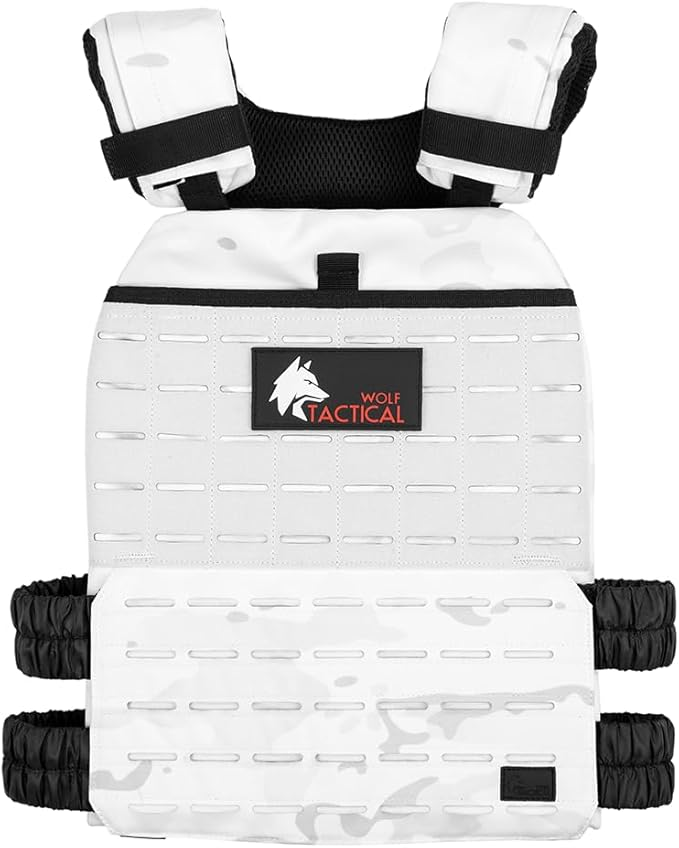
For beginners who prefer a vest feel and easy fit, a comfortable option is the Wolf Tactical Adjustable Weighted Vest, which lets you incrementally add plates and dial in intensity for calorie-focused workouts.

Final advice
Use the rucking calorie calculator as your baseline, verify with the Rucking app in the field, and adjust estimates based on terrain and how you feel. A 30 lb pack is a meaningful training stimulus — reliable for fat loss and endurance when used consistently and sensibly.