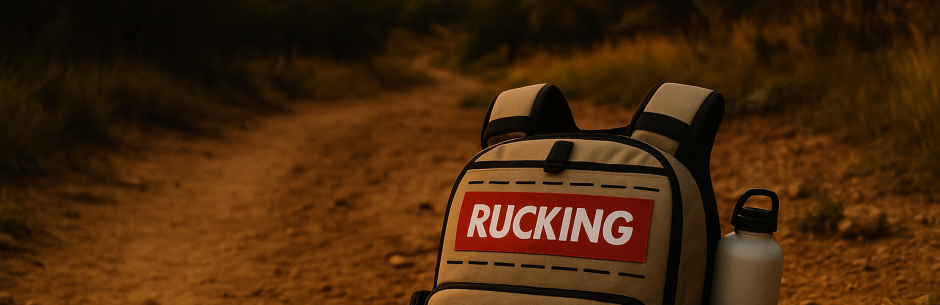
Rucking with a 20 lb pack is a practical, repeatable way to increase calorie burn while keeping movement simple and safe. This guide explains how many calories you can expect to burn during different paces, terrains, and durations when carrying a 20 pound load, and gives an easy, proven calculator you can use to get precise numbers for your body and route.
How calories scale with a 20 lb pack
Carrying 20 pounds increases the effective load on your body, which raises energy expenditure compared to walking unloaded. The increase is roughly proportional to load and depends on speed, body mass, grade, and packing ergonomics. For many adults a 20 lb pack at a brisk walking pace adds roughly 10–20 percent more calorie burn than walking without a pack. Slower tempos, steep hills, or unstable surfaces push that number higher.
Estimate your burn
Use three inputs to make a practical estimate: your body weight, pace and total time, and the 20 lb load. A conservative approach treats the pack as added body weight; an aggressive approach adds metabolic cost above simple mass increase to account for stabilization and terrain. Both methods get you in the right ballpark.
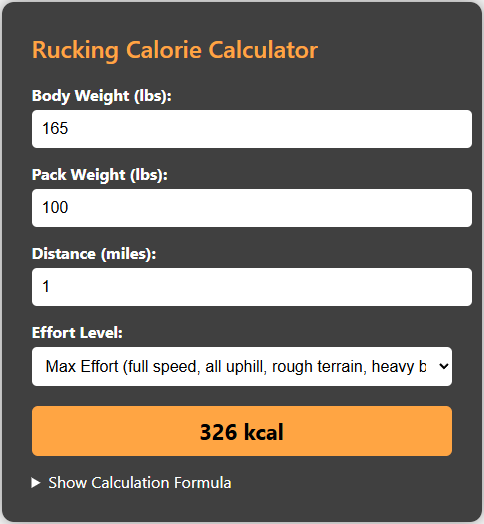
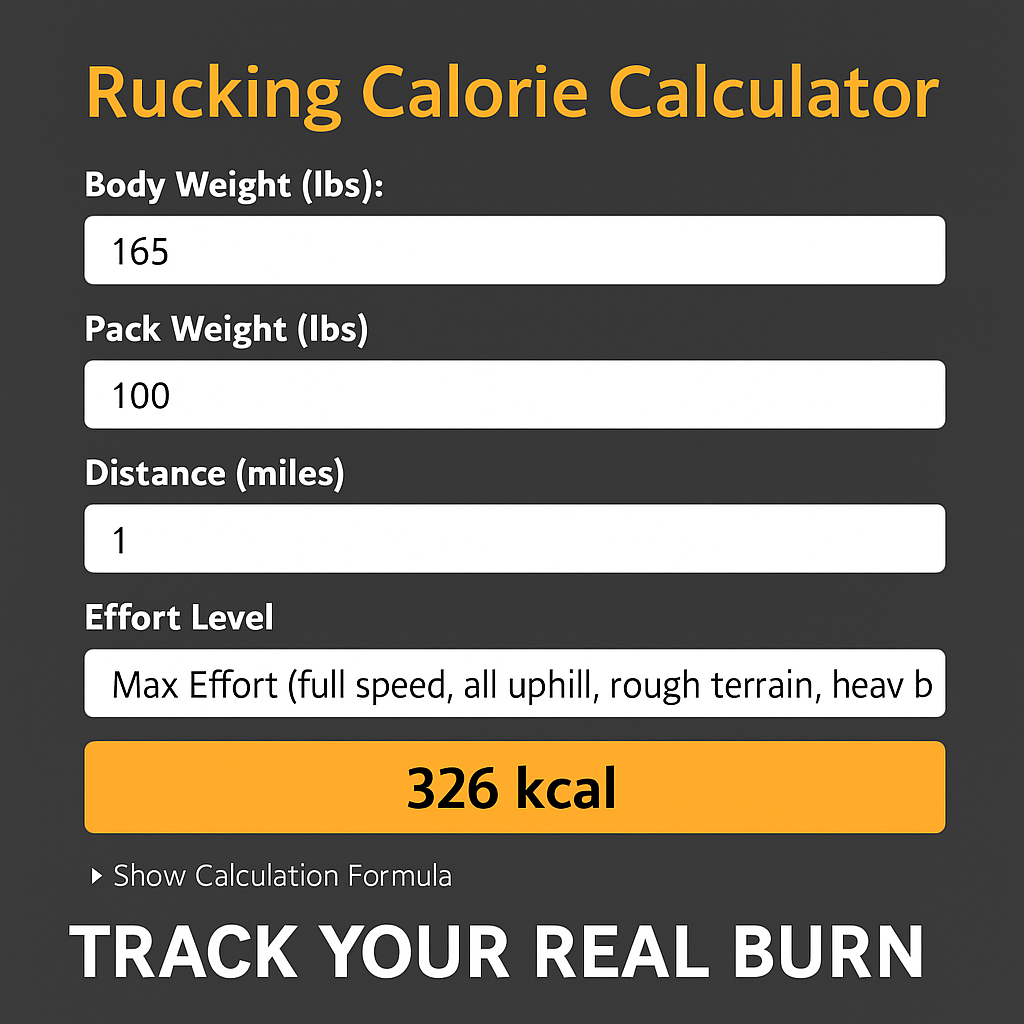
Calculate exact burn with the Rucking calorie calculator and tailor the estimate to your weight, pace, and route.

Practical examples
Below are two examples using common body weights and paces to show how totals change with a 20 lb pack. These are estimates; use the calculator for your exact numbers.
- Example 1: 150 lb person walking 3 mph for 60 minutes — unloaded ~300 kcal, with 20 lb pack ~345–360 kcal depending on terrain.
- Example 2: 200 lb person walking 3.5 mph for 45 minutes — unloaded ~380 kcal, with 20 lb pack ~420–460 kcal depending on hills.
Tips to maximize safe calorie burn
Rucking is low tech but effective. Focus on progressive time, good posture, and pack fit. Keep cadence steady, use trekking poles on steep descents, and prioritize hydration.
For a 20 lb pack consider a rucksack designed for load comfort. The GORUCK Rucker 4.0 20L is durable and keeps load close to your back. For longer endurance rucks the CamelBak Motherlode 100oz offers hydration and room for weight.


Use the app and calculator
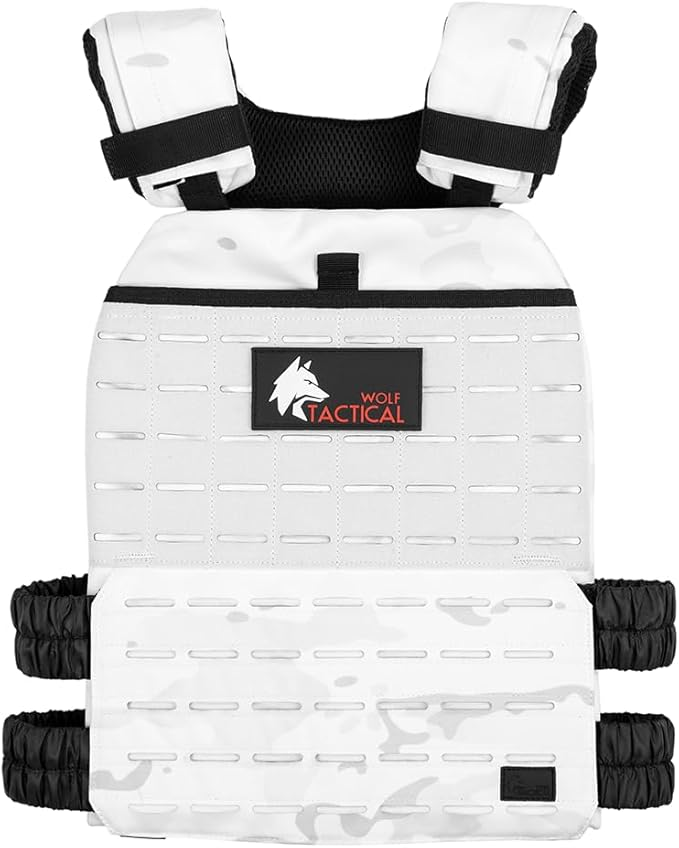
For precise numbers plug your details into the Rucking calorie calculator and install the Rucking app on Android to track sessions and get consistent estimates. The app tracks calories burned while rucking or using a weighted vest and includes a weight loss calculator and gear links.

Quick protocol for a 60 minute ruck with 20 lb
- Warm up 5–10 minutes, dynamic mobility.
- Ruck steady pace 45–50 minutes aiming for moderate exertion.
- Cool down 5–10 minutes, stretch hips and shoulders.
That session typically burns the ranges shown above depending on bodyweight and speed; run numbers through the calculator to lock in personalized estimates and track progress with the app.
Final notes
Rucking with a 20 lb pack is sustainable, efficient, and easy to scale. Use good footwear, prioritize hydrate and recovery, and increase load or time gradually. For ongoing tracking and an accurate calorie estimate use the Rucking calorie calculator below and the Android app to log sessions consistently.
Several variables change the energy cost of a 60 minute ruck with a 20 lb pack. Body composition matters: two people at the same scale weight with different lean mass burn calories at different rates. Pace and cadence are primary modifiers — walking at 2.5 miles per hour versus 4.0 miles per hour changes metabolic demand substantially. Terrain and gradient affect effort; uneven trails, sand, or mud increase oxygen demand. Pack position and fit alter biomechanics: a well balanced rucksack close to the shoulders uses less energy than a low, sagging pack that forces posture. Temperature and weather influence heart rate and perceived exertion; hot days lower pace and alter sweat losses. Nutrition before and after a ruck affects recovery and weekly caloric balance — aim for protein and carbohydrate after sessions to support repair. Hydration is essential: drinking and a hydration system like the CamelBak Motherlode keep fluids available on long routes. For summer work I include Pump-Ocalypse for electrolytes to sustain intensity. Treat the calculator as a tool in a feedback loop: log sessions, compare predicted and observed results, and adjust ruck time or pack weight to meet fat loss or fitness goals.