Why cadence matters when rucking
Cadence — your steps per minute (SPM) — is the primary rhythm that governs efficiency, posture, and load control when you’re rucking with a weighted vest or rucksack. Good cadence reduces impact, stabilizes your torso under load, and makes calorie burn more predictable. Learn to control cadence and you control intensity without relying solely on perceived effort.
What target cadence should you use?
Most experienced ruckers find a useful working range is 100–120 SPM for moderate loads on flat terrain. Heavier loads, technical trails, or steep climbs commonly drop cadence to 90–100 SPM. If you’re new, start in the lower end of the range and work up as posture and conditioning improve.
How to measure your baseline cadence
Find a flat, comfortable stretch and walk with your usual load for two minutes. Count right-foot strikes for 30 seconds and double that number for SPM. Repeat the test while wearing your weighted vest or backpack — the baseline shifts with load, so test with the kit you actually use.
Field cues to lock in cadence
- Shorten your stride — a quicker, shorter step keeps your center of mass under the pack and reduces braking forces.
- Use a metronome or playlists pegged to your target SPM to impose a steady rhythm.
- Keep hips level and chest open; resist the urge to lean too far forward, which kills cadence and increases lower back loading.
- Match breathing to steps (example: inhale two, exhale two) to stabilize effort and oxygen delivery.
- Adjust load in small increments so your cadence adapts without large gait changes.
Practical cadence drills
Short, repeatable drills teach your nervous system a new rhythm faster than long, aimless walks. Try a simple 30/3 cadence session: warm up 10 minutes easy, then alternate 3 minutes at baseline cadence and 1 minute 8–10 SPM higher for six rounds, finish with 10 minutes easy. This builds control of higher tempo without sprinting and improves recovery pacing.
Troubleshooting common cadence problems
- My steps feel choppy: shorten stride and focus on smooth foot placement; add core activation drills off the trail.
- My shoulders and neck tighten: check vest fit and lower plate placement — load that rides high makes you overcompensate.
- Cadence collapses on hills: accept lower SPM and focus on consistent effort; drive with the hips, not the shoulders.
Track cadence and calories
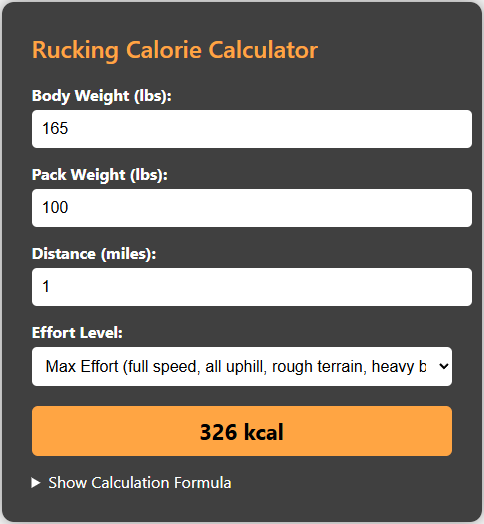
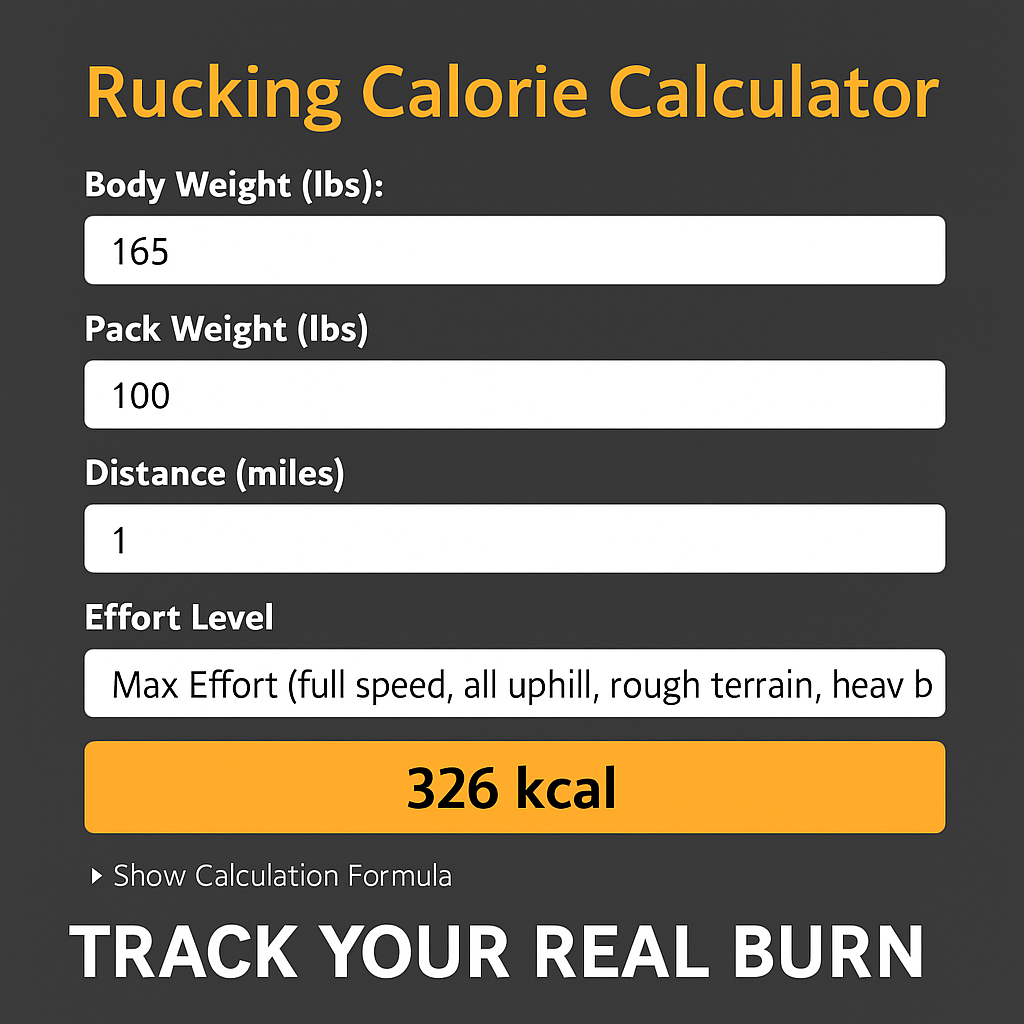
Use a watch, foot pod, or the Rucking app to monitor cadence live. For accurate calorie estimates from weighted-vest or backpack rucking use the Rucking calorie calculator — enter pace, duration, and load to get a realistic burn estimate.

Gear that supports cadence
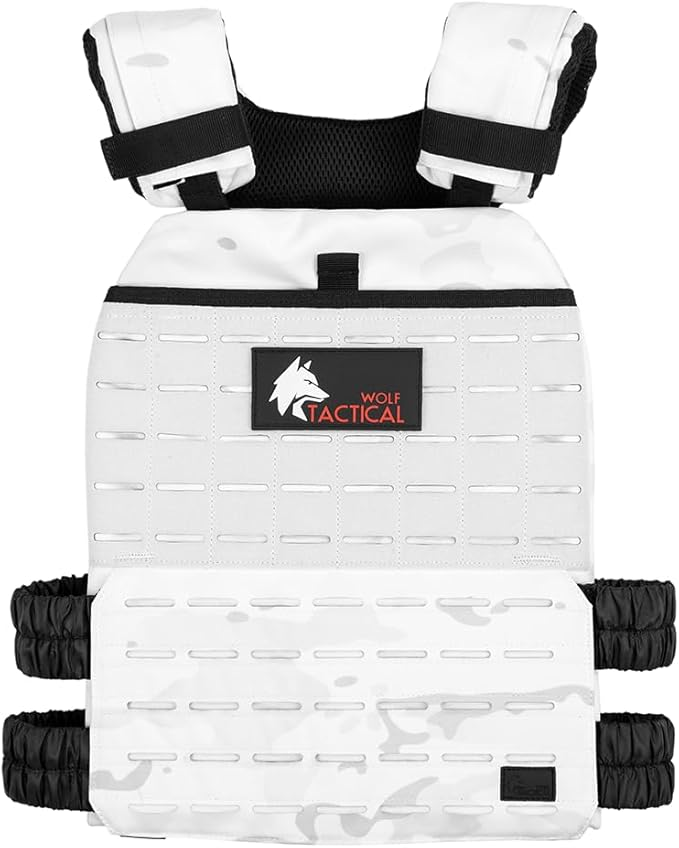
A stable, adjustable vest reduces bounce and chafing so you can make rhythm changes without compensation. For comfortable, beginner-friendly cadence work consider the Wolf Tactical Adjustable Weighted Vest.

Use the Rucking app
The Rucking app on Google Play now tracks cadence, load, and calories with weighted-vest options and links to gear and discounts. Tap the image to open the Play Store and install the app so you can log sessions and sync numbers with the calculator.

Final practical tips
Train cadence like a technique: short focused repetitions, consistent practice, and deliberate load progression. Start conservative, prioritize posture, and let cadence guide intensity. Over months you’ll be able to carry more weight, ruck further, and maintain a steady calorie burn without sacrificing form.