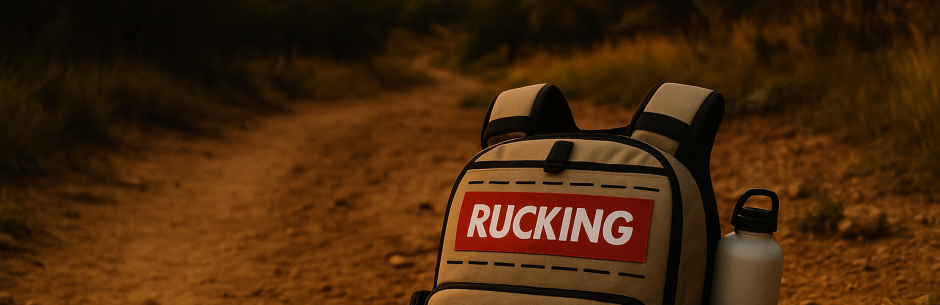
Practical guide to rucking calories with 100 lb pack
Carrying a 100 lb pack changes everything about how many calories you burn. This article gives practical estimates, safety notes, pacing guidance, and a simple way to calculate your individual burn so you don’t rely on guesses. The guidance below is field-tested and emphasis is on sustainable pacing, proper gear, and progressive loading.
Why a 100 lb pack is different
Adding fifty to one hundred pounds to your bodyweight raises energy cost disproportionately. Your stride, posture, and breathing change. Heart rate climbs and muscular effort shifts from pure aerobic walking to heavy load carriage that mixes strength and endurance. Expect higher calorie burn per mile but also faster fatigue and greater injury risk if you rush progression.
Estimate calories burned
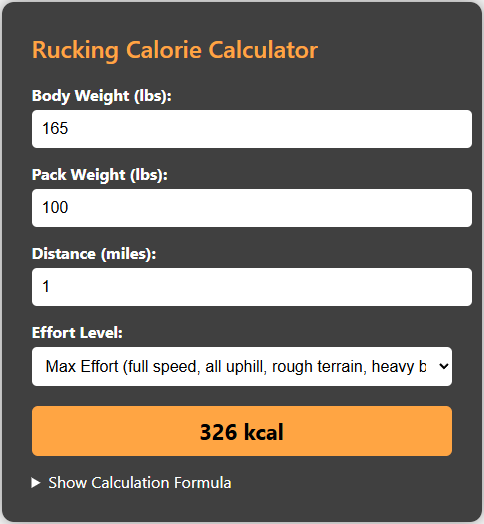
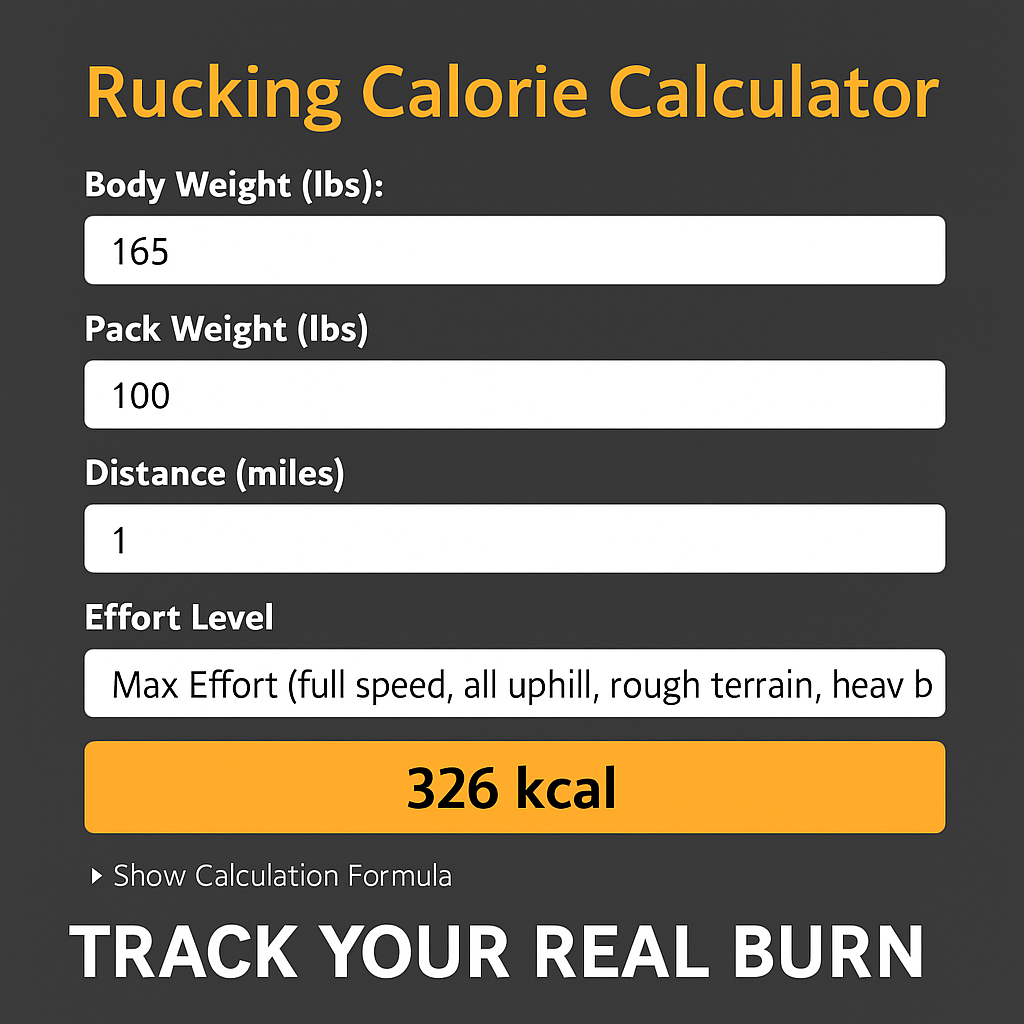
Use the Rucking Calorie Calculator to get a tailored estimate based on your weight, pace, terrain, and pack load. Enter your details, choose backpack or weighted vest mode, and you will get a realistic output rather than rules of thumb. The calculator is the single best tool to convert a 100 lb pack into daily energy cost for planning nutrition and recovery.

Practical pacing and programming
- Start lighter: work up to heavy loads across weeks. Your connective tissue and lower back need time.
- Keep pace conservative: with 100 lb, aim for slower speeds and shorter distances while monitoring form.
- Use interval walks: alternate loaded sections with unloaded or lighter segments to manage cumulative fatigue.
- Prioritize recovery: sleep, protein, and mobility work matter more under heavy loads.
Gear choices for a 100 lb pack
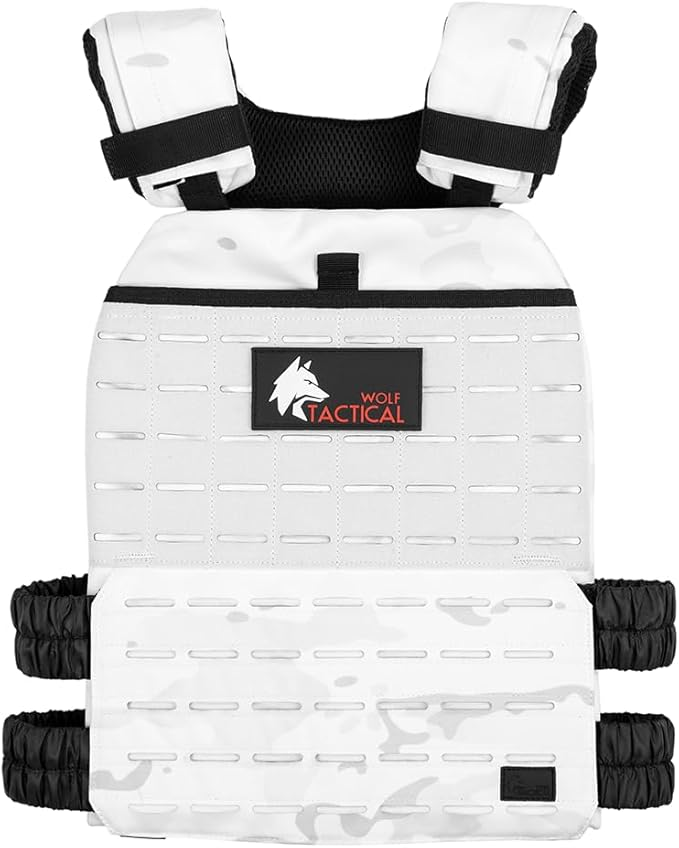
A structured ruck or plate carrier distributes weight better than a simple backpack at this intensity. For long marches use an expedition pack; for concentrated strength work consider a plate-based vest. Choose gear that secures weight close to your center of mass and allows hip belt integration to shift load to the pelvis.

For long distance or tactical rucks consider a dedicated ruck like the GORUCK Rucker which balances comfort and durability. A proper hydration system is essential when moving heavy loads.

Nutrition and hydration planning
With a 100 lb pack your calorie needs rise sharply. Eat carbohydrate and protein before extended efforts and carry quick calories for on-route refueling. Hydration becomes a limiting factor; use a bladder or bottles and plan water access. For long hot rucks consider electrolyte products used by experienced ruckers for sustainability.
Sample numbers and tracking
Sample numbers help make the abstract concrete. For a 180 pound individual carrying a 100 lb pack, a steady pace of 2.5 miles per hour on flat terrain often produces calorie burn rates several times higher than unloaded walking. Expect an approximate increase in hourly expenditure that can exceed 50 to 100 percent depending on pace and grade. Hills amplify the effect: a 10 percent incline will add substantial demand and can double the energy cost compared with level ground. Use the calculator to swap variables and see how a slower pace with heavier weight compares to a faster unweighted walk. Track results across multiple sessions and average the calculator output against perceived exertion and heart rate. That empirical approach gives you a tailored baseline for fueling and recovery rather than relying on broad generalities. Record weather, terrain, and sleep to refine estimates and avoid overtraining and adjust accordingly.
How to use the calculator and app
Go to the Rucking Calorie Calculator page, input your mass, pace, distance, and pack weight and use the backpack mode for 100 lb loads. The calculator gives an immediate estimate you can use to plan meals and recovery. If you prefer tracking on your phone, the Rucking app on Google Play provides the same calculation plus a weight loss calculator, history, and gear links. Tap the image to install and start tracking accurately.

Safety checklist
- Progress load over weeks; never jump to heavy single sessions.
- Watch for low back pain, hip discomfort, and foot changes; adjust load and rest.
- Carry basic first aid and communicate plan for remote rucks.
- Log sessions so you can correlate distance, weight, and calorie estimates for smarter progression.
Final thoughts
Rucking with a 100 lb pack is achievable but it requires measured progress, good gear, and accurate calorie accounting. Use the rucking calorie calculator to make informed plans, pick a structured carrier for heavy loads, and track with the mobile app so every session becomes useful data rather than guesswork. That practical approach keeps training productive and minimizes avoidable setbacks.