Rucking calories to lose belly fat: what actually works
Rucking – walking with a weighted vest or backpack – can be one of the most practical ways to target overall body fat, including stubborn belly fat. This article explains how to use rucking calories efficiently, structure sessions, and combine nutrition and recovery so fat loss is consistent and sustainable.
How rucking burns belly fat
Fat loss is systemic; you can’t spot reduce, but you can produce a caloric deficit and preserve muscle while emphasizing steady cardio plus resistance. Rucking raises calorie burn because added load forces your body to work harder without high joint impact. That extra energy demand pulls on stored fat when you control calories and prioritize protein.
Structure and frequency
Begin with two to four ruck sessions weekly. Alternate intensity and duration. For example:
- Long, steady ruck: 60 to 120 minutes at conversational pace with moderate load.
- Tempo ruck: 30 to 50 minutes with higher pace or heavier vest for intervals.
- Recovery ruck: 30 to 45 minutes easy with light load to encourage blood flow and fat mobilization.
Progress by adding small weight increments or distance each week. Prioritize walking form, hip extension, and posture to reduce fatigue and allow longer sessions.
Using a calorie calculator
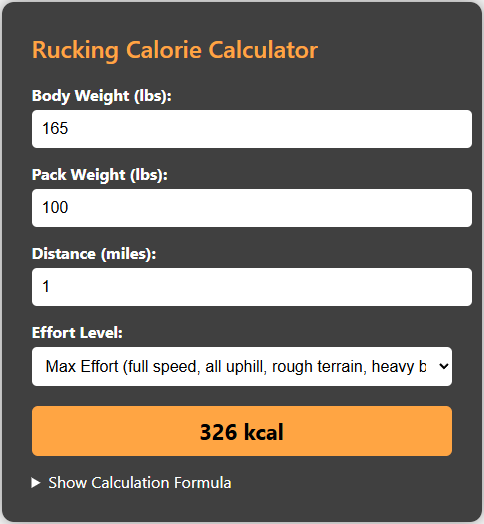
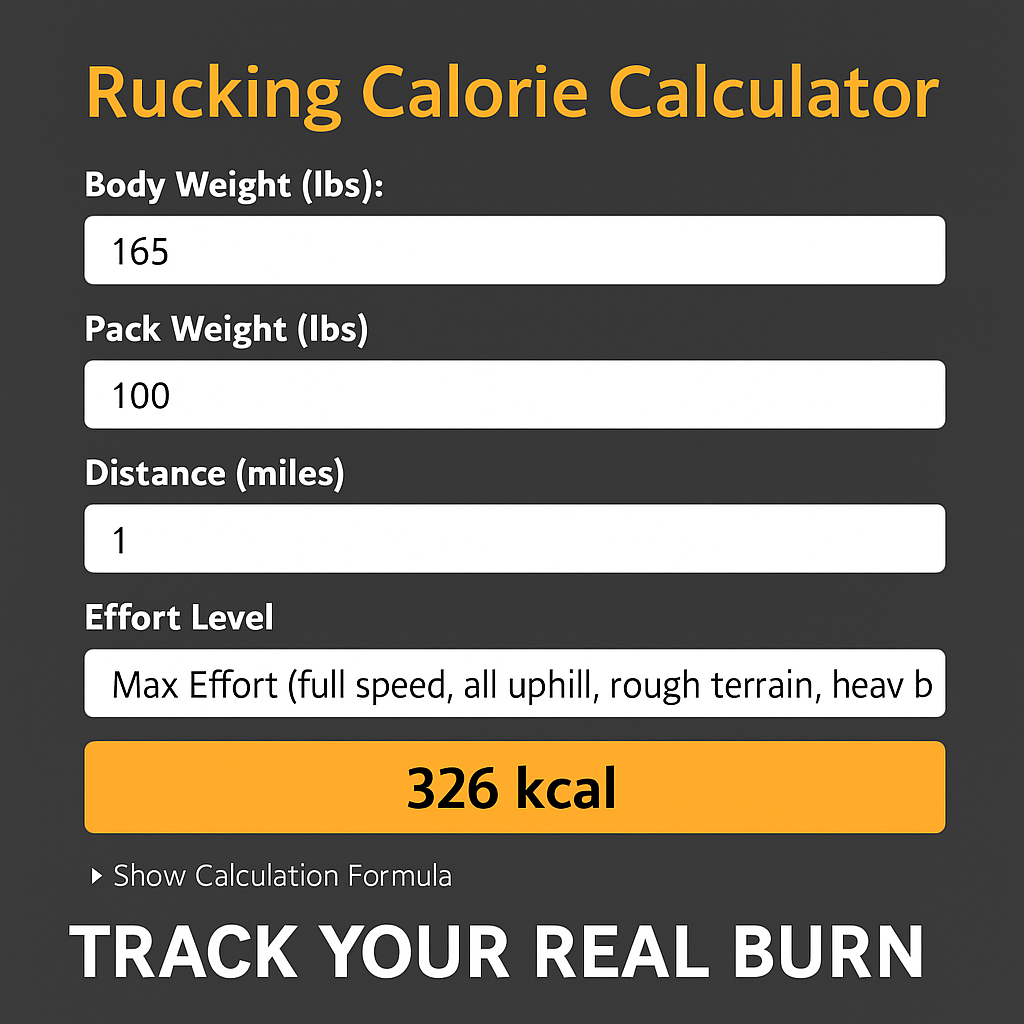
Track the extra calories burned while rucking to design your deficit accurately. Use the Rucking Calorie Calculator to estimate burn for backpacks or weighted vests. Click the screenshot to open the calculator and enter your weight, load, pace, and duration to see realistic numbers:

Nutrition and recovery
Pair rucking calorie burn with disciplined nutrition. Aim for a 300 to 700 calorie daily deficit depending on body size and goals while keeping protein high (0.7 to 1.0 grams per pound). Prioritize sleep and mobility; overtraining without recovery compromises fat loss and increases hunger hormones.
Sample week
- Monday: Tempo ruck, 40 minutes, moderate-heavy vest.
- Tuesday: Strength or mobility.
- Wednesday: Long steady ruck, 90 minutes, moderate weight.
- Friday: Recovery ruck, 45 minutes, light vest.
- Saturday: Optional hike or bodyweight circuit.
Consistency matters more than any single workout. A weekly habit of rucking combined with a sensible calorie plan will shrink waist measurement over time.
Gear recommendations
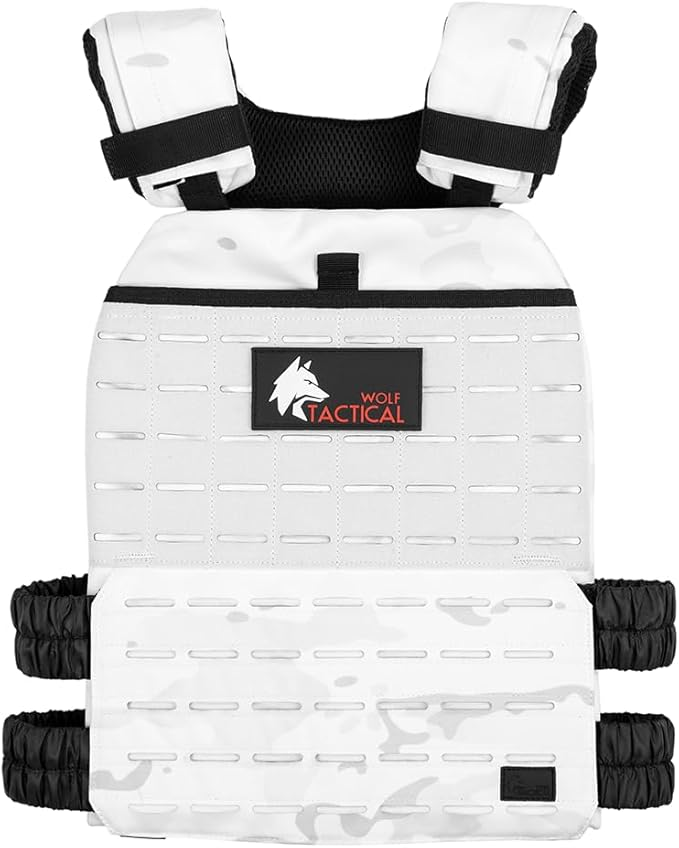
Beginner ruckers benefit from a comfortable, adjustable vest built for walking. The WOLF TACTICAL Simple Weighted Vest balances fit and durability for everyday sessions:

Tools and tracking
Use the Rucking app on Google Play to log ruck sessions, estimate calories burned, and access the weight loss calculator for rucking and vest options. Tap the image below to install the app and start tracking accurately:

Example calorie plan
Here is a practical example for a 180 pound person who rucks five times weekly. If a 60 minute ruck with a 20 pound vest burns roughly 500 calories according to the calculator, a five day habit adds 2500 weekly calories burned on top of baseline activity. Pair that with a daily food deficit of 300 calories and this person will be near a 3200 to 3500 calorie weekly deficit when accounting for daily non-ruck activity. That equals roughly one pound of fat loss per week when protein and recovery are managed. Use the Rucking Calorie Calculator to tailor these estimates to your bodyweight and pace.
Common mistakes and fixes
- Too much cardio, not enough protein: eat enough protein to protect muscle mass.
- Starting too heavy: build to heavier vests progressively to avoid injury.
- Ignoring pacing: faster is not always better; sustainable pace increases weekly frequency.
- Poor hydration and electrolytes: bring fluids and consider supplements on long rucks.
Address each mistake with small, measurable changes. For hydration during long or hot rucks consider adding Pump-Ocalypse for electrolyte support to keep performance and hunger cues stable.
How long to see changes
Expect measurable reductions in waist circumference in four to eight weeks if you maintain consistency. Scales will fluctuate; use photos, tape measures, and how clothes fit as better progress markers. If progress stalls after three weeks, recheck calorie tracking, sleep, and stress. Small adjustments to ruck duration or a 100 to 200 calorie daily change often restarts steady loss.
Next steps
Weigh, measure waist, log food and two rucks, then use the Rucking Calorie Calculator and install the Rucking app on Google Play to track progress consistently weekly.
Key takeaways
- Rucking increases calorie burn without high impact, helping reduce belly fat when paired with a sensible deficit.
- Use the Rucking Calorie Calculator to plan realistic deficits and session targets.
- Progress load and duration gradually and keep protein and recovery priorities to preserve muscle while losing fat.
Rucking is low cost, scalable, and outdoor-friendly. Track your numbers, use the tools provided, and expect steady, sustainable change.