Rucking 3 Miles a Day Weight Loss: How it Works
Rucking three miles a day is one of the simplest, highest return habits you can add to a sustainable weight loss program. It combines steady state cardio with load bearing strength that increases calorie burn both during and after walks. Done consistently, three miles rucked daily creates a predictable weekly calorie deficit without extreme dieting or long gym sessions.
Why rucking works
Rucking increases energy expenditure because you move your body plus external load, recruiting larger muscle groups and raising heart rate at walking speeds. Compared with road walking without weight, adding a modest vest or pack amplifies caloric cost while remaining low impact.
How to start a three mile daily habit
Begin with unloaded walking if you are new to consistent movement. Work up to rucking three times per week before attempting daily rucks, and progress load gradually by ten percent per week or less. A common beginner target is a ten to twenty pound vest or a twenty to thirty pound pack, depending on experience and joint health.
Sample weekly progression
- Week one: three mile walks every other day, no weight.
- Week two: two rucks at ten pounds, one unloaded walk.
- Week three: ruck three miles three times with ten to fifteen pounds.
- Week four: increase load five pounds if form and recovery are good, keep frequency at three to four sessions.
Pacing, calories and recovery
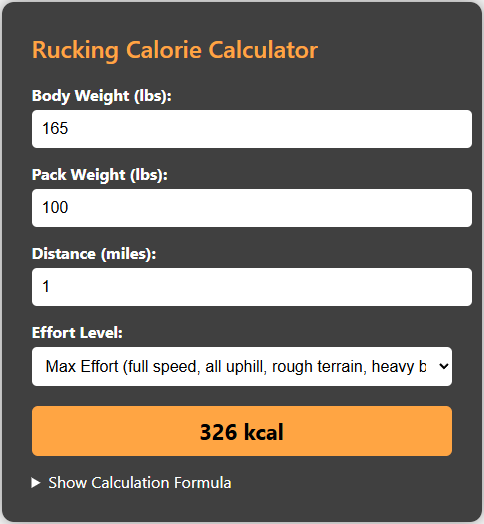
Pace should remain brisk but conversational; rucking is efficient because you maintain higher intensity than strolls without sprinting. Use the Rucking Calorie Calculator to estimate burn for your weight, distance and load and adjust intake accordingly. That calculator factors load, pace and bodyweight in a more realistic way than generic walking calculators.
Nutrition and weekly targets
Aim for a modest 300 to 500 calorie daily deficit through a combination of rucking and slight portion control rather than extreme restriction. Track weight and waist circumference weekly, not daily, and focus on consistent behavior more than short term fluctuations.
Common mistakes to avoid
- Adding too much weight too fast.
- Neglecting recovery, sleep and protein.
- Ignoring pain that indicates form or load problems.
Gear and product recommendations
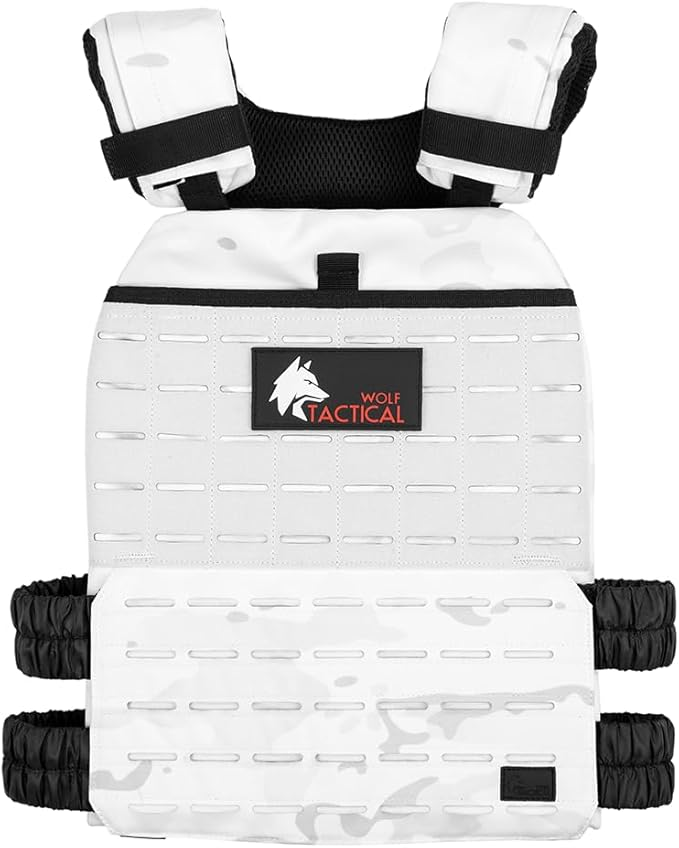
For daily three mile rucks a lightweight comfortable vest is often the best choice; it provides even load and minimal chafe. I recommend the Wolf Tactical Weighted Vest for most daily ruckers because it fits snugly, is adjustable, and tolerates frequent use.

For longer distance or heavy loads, consider a ruck pack like the GORUCK Rucker 4.0 20L or a hydration pack such as the CamelBak Motherlode 100oz to mix carrying comfort with water and storage options.


Tracking progress and using the app
Track distance, load and calories with the Rucking app available on Google Play; it calculates burned calories for rucking or weighted vest training and offers a weight loss calculator and gear links. Install the app to log three mile sessions, sync weekly summaries, and check progress without complicated spreadsheets.

Using the Rucking Calorie Calculator
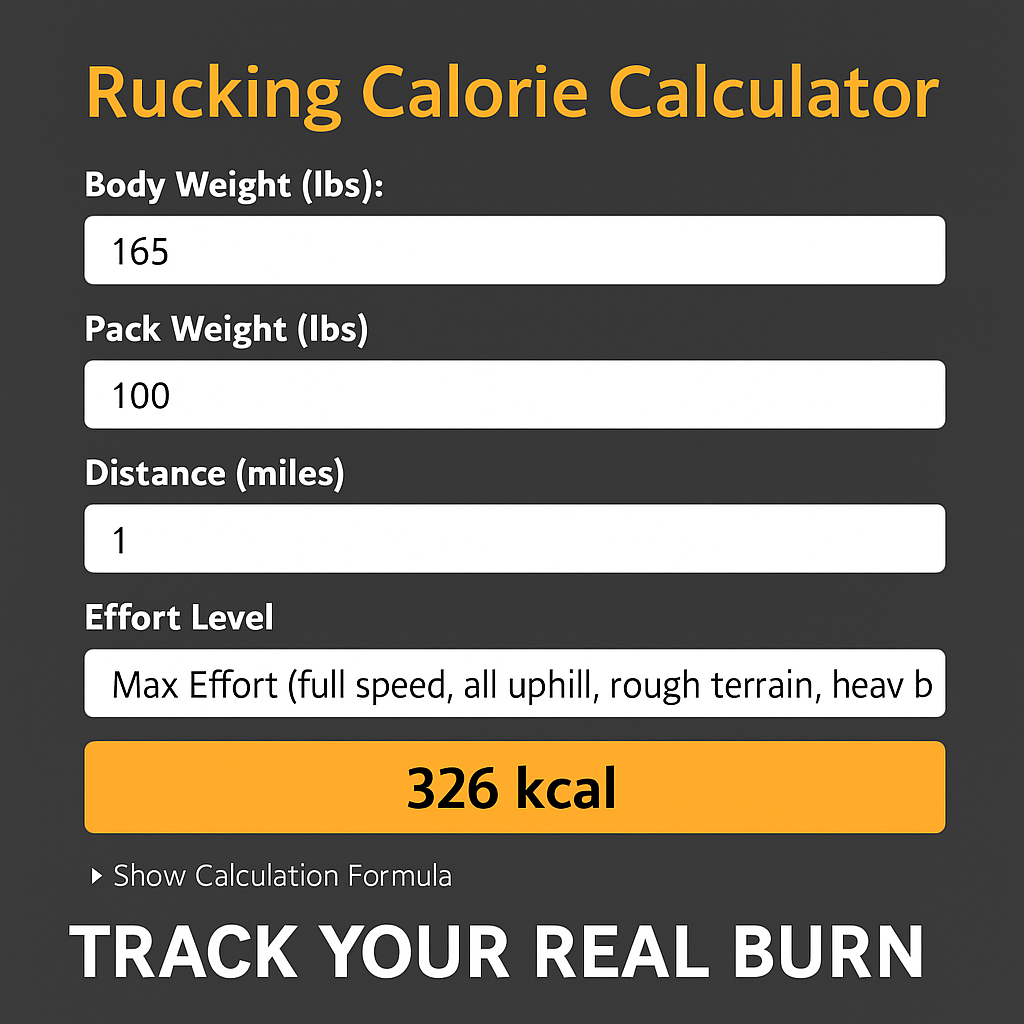
Estimate your per session burn by entering bodyweight, pack weight and pace into the calculator linked below. Click the screenshot to open the tool and get tailored calorie estimates for your three mile target.

Final practical checklist
- Start unloaded and walk consistently.
- Build frequency before loading.
- Increase weight slowly and track soreness.
- Use the calculator to estimate burn.
- Log sessions in the app for reliable trend tracking.
Three miles a day rucking becomes a sustainable backbone for weight loss when paired with modest calorie control and consistent recovery. Start small, respect recovery, and use the tools linked here to plan load and nutrition so the habit lasts.
Safety and mobility checks
Before you add load confirm you can comfortably walk three miles without unusual joint pain, dizziness or breathlessness beyond normal exertion. Address tight hips, weak glutes and poor ankle mobility with targeted mobility work two to three times weekly to protect knees and low back as load increases.
When progress stalls
If bodyweight plateaus after several weeks, inspect sleep, protein intake and nonexercise activity. Small increases in daily steps and ensuring thirty to forty grams of protein per meal can push a stalled deficit back into motion.
Sample day and encouragement
A practical day might include a morning three mile ruck with a ten to fifteen pound vest, mid day protein rich lunch, and a light evening walk to increase NEAT. Use the calculator to estimate how that session affects your daily energy balance and log the result in the Rucking app so you build reliable long term trends.
Consistency matters: three miles daily with measured nutrition and progressive loading produces lasting fat loss over months with steady effort and patience.