Why pace matters for rucking calorie estimates
When you add weight and cover ground, pace drives the math. Calories burned per minute change with walking speed, terrain and load. A ruck at a steady 3 mph with a 20 lb pack will burn differently than a fast 2.5 mph march with 50 lb. Using pace rather than distance gives real-world, actionable numbers for training sessions and weight-loss goals.
What the rucking calorie calculator by pace does
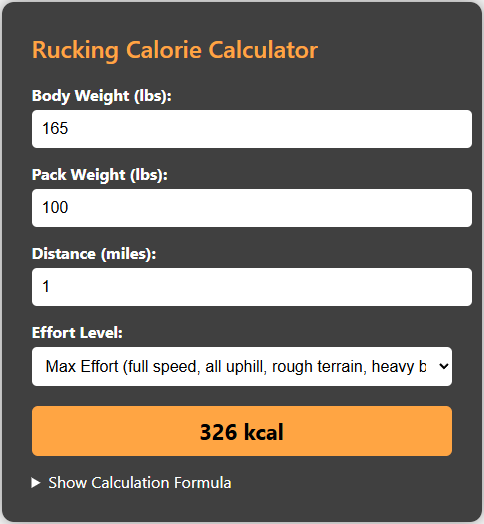
The calculator factors body weight, carried load, and pace to estimate calorie burn per hour and per mile. It also adjusts for walking versus fast marching. This is more useful than blunt estimates because pace captures effort intensity. Use the tool to plan intervals, set target durations, or compare vest weights and routes.
How to use the calculator
- Enter your body weight and the weight of your vest or pack.
- Set your walking pace in minutes per mile or mph.
- Choose terrain or incline if the option is available.
- Hit calculate and review calories per hour and per mile.
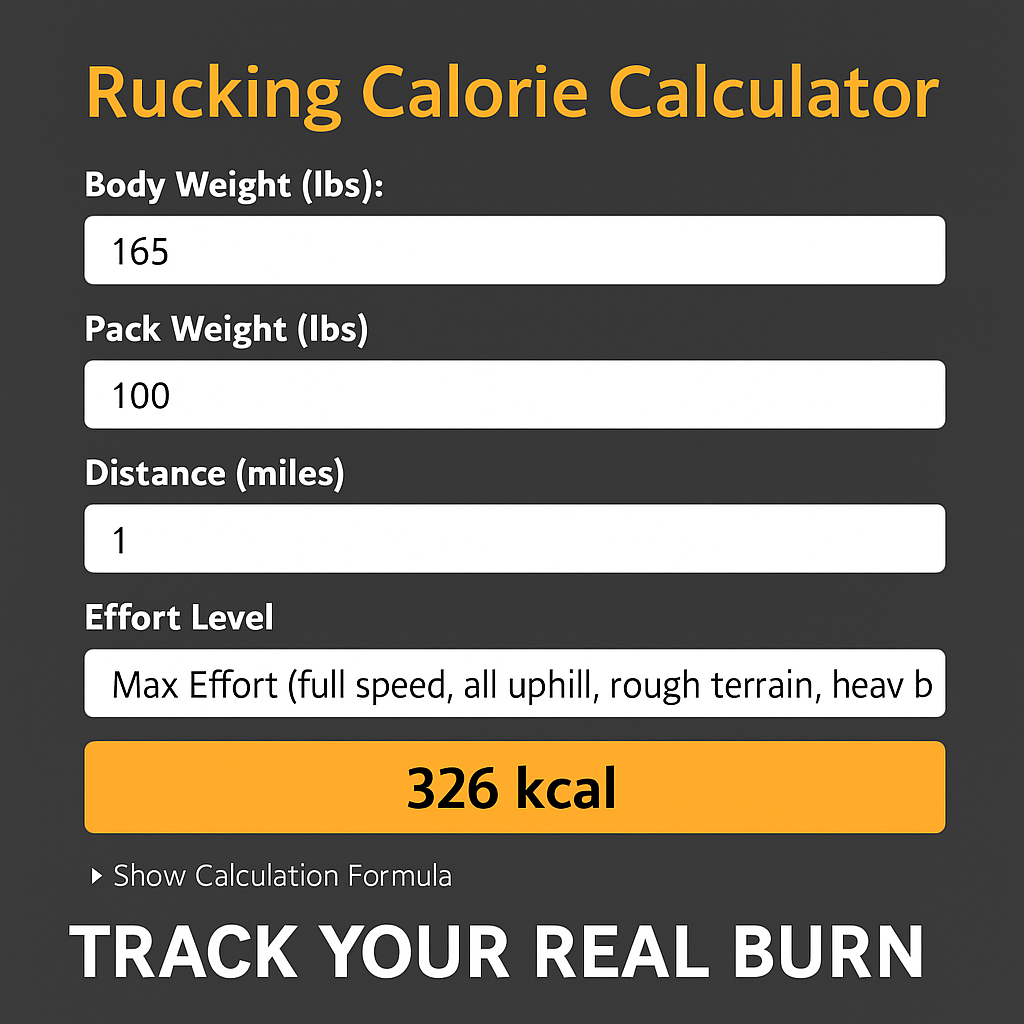
Try the official calculator here: Rucking calorie calculator. The screenshot below links to the same page for quick access.

Practical tips for pace-based planning
Keep these points in mind when you use pace as your primary input.
- Use consistent measurement: pick mph or minutes per mile and stick with it for comparisons.
- Account for rest stops: average pace including pauses gives accurate session totals.
- Adjust for terrain: slow pace on steep hills equals higher energy cost than flat ground.
- Progress pace before adding weight: improving your speed while carrying the same load is an efficient way to increase session intensity without adding more mass.
Sample session using pace
Begin with a 30–45 minute steady ruck at a comfortable pace. Record your average minutes per mile. Plug weight and pace into the calculator to get calories per hour. Use that figure to structure intervals: 10 minutes faster pace, 5 minutes recovery, repeat. Track changes over weeks to evaluate fitness and weight-loss progress.
Track it on the go with the Rucking App
For Android users, the Rucking App on Google Play records pace, distance, and burn specifically for rucking and weighted-vest work. It includes a weight loss calculator and links to gear and discounts. Tap the image below to open the Play Store.

Gear that supports pace-focused rucking
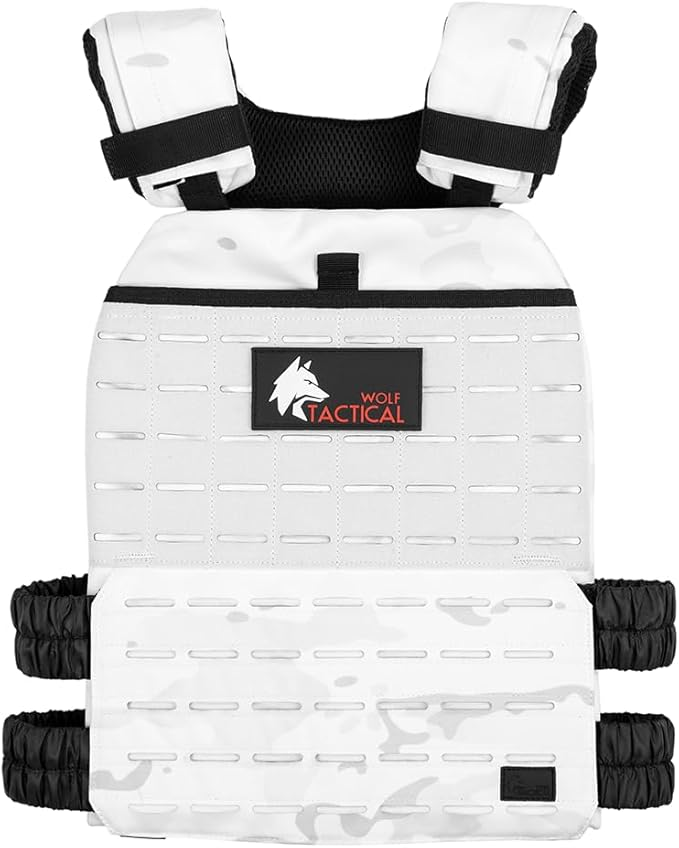
Comfortable, well-fitted vests keep your pace steady and reduce chafing. For beginners and walkers who prioritize comfort and consistent pace, I recommend the Wolf Tactical Adjustable Weighted Vest. You can shop it here:

The Wolf Tactical Adjustable Weighted Vest balances load distribution so you can maintain a steady pace longer without unnecessary strain.
Common mistakes and how to fix them
Ruckers often misestimate calories because they assume pace is constant. In reality, pace fluctuates with fatigue, terrain, and load shifts. Measure your moving pace rather than an overall average that includes long breaks. Use short test segments of 10 to 20 minutes at your target pace to calibrate the calculator to your real-world exertion. Another mistake is failing to account for vest fit; a poorly fitted weighted vest changes gait and increases energy cost because you compensate with different muscles.
Measuring pace accurately
Use GPS-based tracking from your phone or the Rucking App to log pace per mile and moving time. If GPS drifts, verify distance against a known route or use a measured track. Treadmills can help set target paces but translate treadmill pace cautiously to outdoor rucks — wind, surface, and grade will change the metabolic cost. When possible, record heart rate along with pace; heart rate zones add context to calorie estimates and help validate the calculator output.
Safety and progressive loading
Increase load gradually. Jumping weight dramatically to chase higher calorie numbers risks injury. Aim for weekly progression of load or pace no greater than 5–10 percent. Recover with mobility work and prioritize hydration. For longer hot-weather rucks, consider hydration aids like Pump-Ocalypse to support electrolyte balance during extended sessions.