Practical guide to the calories burned rucking calculator
Rucking is a simple, high-return method to burn calories, build durable strength, and improve cardiovascular fitness while staying outside. This calculator removes guesswork by estimating energy expenditure based on your weight, ruck or vest load, pace, distance, and terrain. Use clear numbers to plan sessions, manage recovery, and structure progressive overload.
How accurate is the estimate? Like any field tool it is an approximation that becomes more reliable when you enter realistic inputs and understand what drives the math. Load matters; adding ten percent of your bodyweight increases energy cost noticeably. Speed and terrain are multiplicative factors. A slow loaded march on hardpack burns fewer calories than the same load at a brisk pace over roots, sand, or hills.
Use the calculator
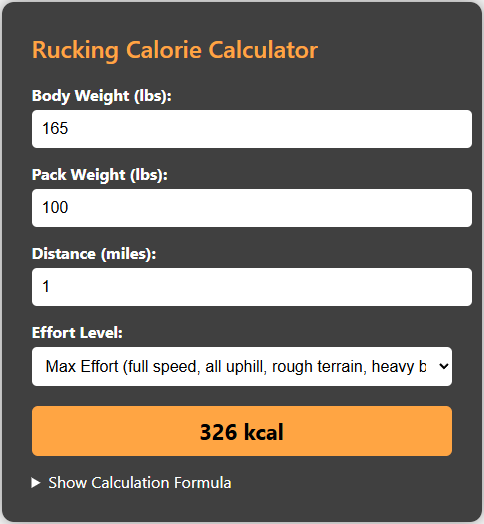
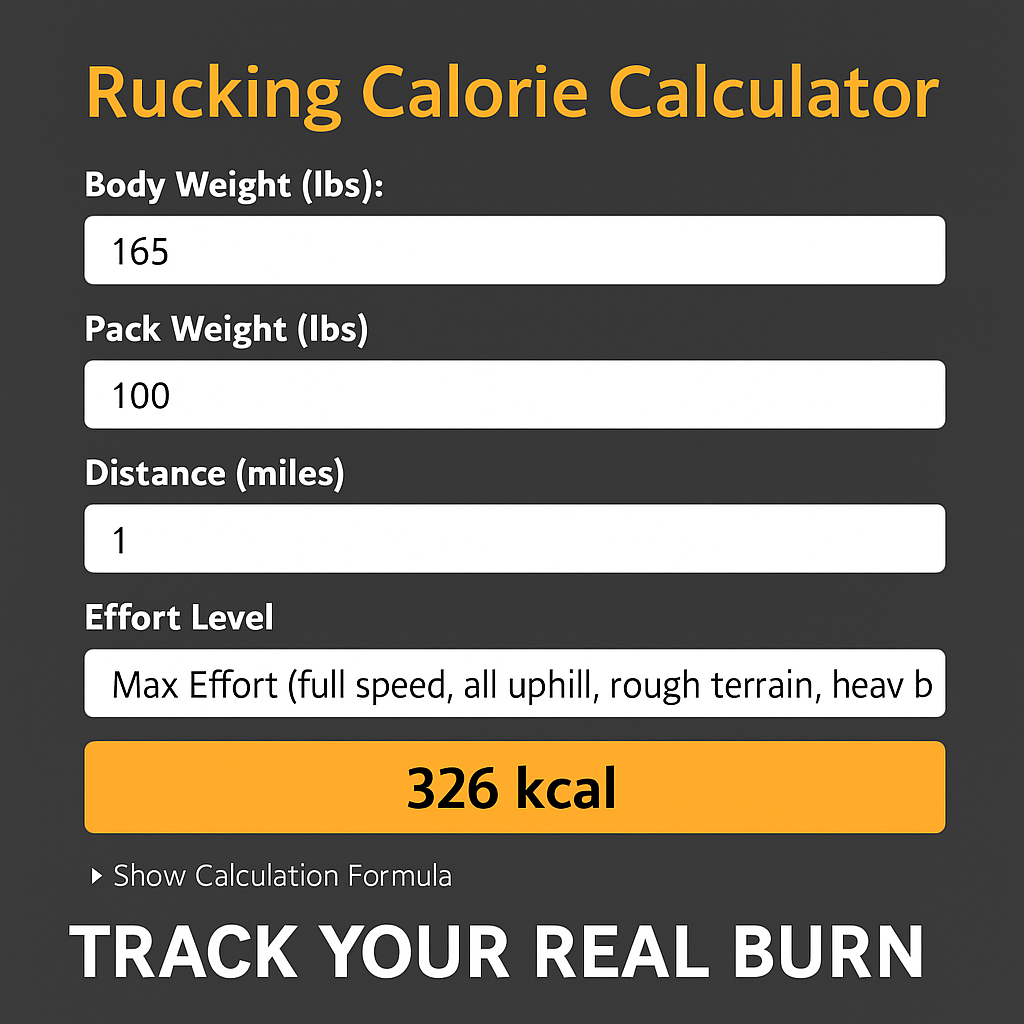
Open the calculator, enter your bodyweight, choose the carrying method (backpack or weighted vest), add load weight, set distance or time, and select terrain. The tool then returns an estimated calorie burn and pace guidance so you can program the next session. I recommend starting with conservative loads and validating with perceived exertion and an occasional wearable heart rate log.

This calculator is hosted on Rucking.Pro and is the single calculator I use when planning weights and miles. It handles both backpack rucks and weighted vests and is the most practical field tool for planning sessions.
How to apply results to weight loss and training
Use the estimate to set weekly calorie targets and adjust your food intake and recovery. If the calculator says you burn three hundred calories on a forty minute loaded walk, multiply that by frequency to plan weekly deficit strategies while preserving muscle with strength work. Pay attention to progressive overload: slightly increase load or distance each week rather than sudden spikes.
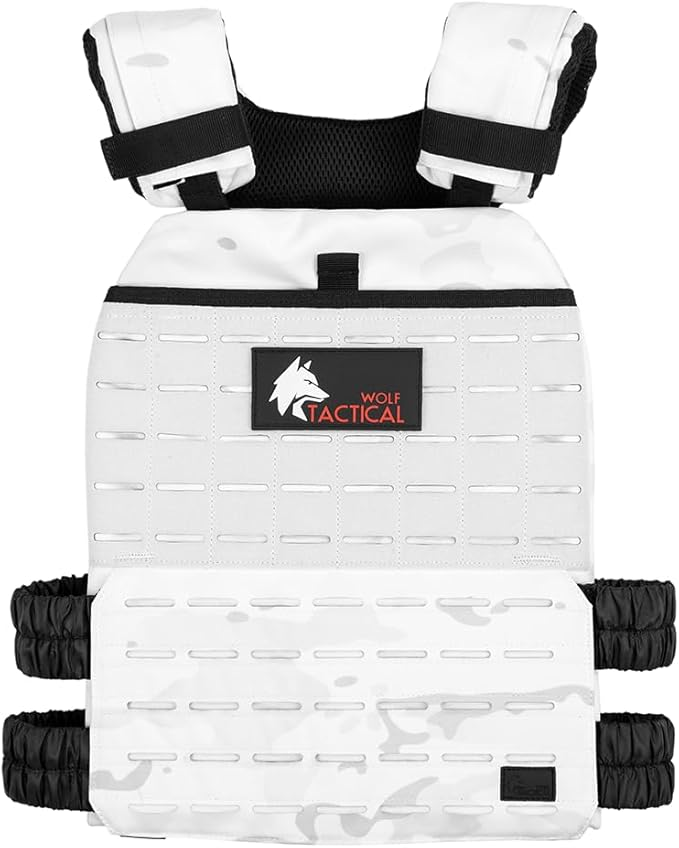
For comfortable starter sessions with a vest, I point people toward the Wolf Tactical Adjustable Weighted Vest because it balances comfort and adjustable load for walking and rucking.

Tips to improve accuracy
Input realistic load and pace, and prefer distance over vague time estimates. Calorie burn is more accurate when you measure distance on trails with GPS and note the elevation change. Use similar clothing and shoes during your calibration walks so the metabolic cost is consistent.
- Start with a light load and add five to ten pounds every one to two weeks.
- Track perceived exertion and heart rate occasionally to validate estimates.
- Account for terrain and heat—both increase energy cost significantly.
Track with the Rucking app
For Android users, the rucking app on Google Play lets you track calories burned accurately for both rucking and weighted vest sessions, record weight loss targets, and link to gear discounts. Tap the image below to open the app and start logging. The app pairs well with occasional wearable HR data and the calculator above.

Use the app to log sessions and compare the app’s metrics to the calculator output. When numbers diverge by a significant margin, adjust inputs or consider environmental factors like wind, load shifting, or extra gear weight in pockets.
Final thoughts
In field training and long term weight management, consistent tracking beats guesswork. Use the calories burned rucking calculator once to set a baseline, validate with a few logged rucks, then use the app to maintain a steady program. Small, consistent increases in load or distance create sustainable adaptation and reliable calorie burn.
Example: a 180 pound adult carrying a 20 pound weighted vest for five miles at a brisk walk will see a meaningful boost in energy expenditure compared with unweighted walking. Depending on terrain and pace the rucking calculator often estimates an extra two to four hundred calories for that session compared with an unloaded mile count. Use that estimate to schedule two to four rucks per week as part of a comprehensive plan that also includes two strength sessions and deliberate nutrition to support recovery.
Quick checklist before you run numbers:
- Weigh yourself and record the number.
- Measure load weight including small items in pockets.
- Choose distance over time when possible.
- Note terrain and estimated elevation gain.
- Log perceived exertion and any heart rate data.
- Compare app logs to the calculator periodically.
If you want practical numbers now, open the calculator screenshot above and plug in conservative inputs. Track three to six weeks and adjust. Rucking is a low complexity, high consistency tool: use the calculator to remove guesswork, the app to log progress, and a reliable vest to control load. When used together they provide clear, repeatable data that makes outdoor training and weight control straightforward and efficient.
Start simple and progress deliberately today.