Rucking for Women Weight Loss
Rucking is one of the simplest, most sustainable ways to lose fat and keep it off. For women seeking straightforward cardio that builds strength, rucking combines walking with a loaded vest or pack to raise heart rate, preserve muscle, and increase calorie burn without stressful high-impact workouts.
Benefits of Rucking for Women
Begin with lower impact than running, rucking protects joints while improving cardiovascular fitness. Weighted walking increases metabolic demand and stimulates muscle in the posterior chain—glutes, hamstrings, and back—which helps preserve lean mass and supports long-term weight loss. Rucking sessions are adaptable: you control pace, load, and duration.
How to Start Safely
Start conservative and progress gradually. A good beginner approach is three sessions per week while you build habit and form. Prioritize posture: chest up, neutral spine, steady cadence. Choose stable shoes and practice on flat routes before adding hills.
- Week 1–2: 20–30 minutes, vest or pack at 5–10% of bodyweight, brisk pace.
- Week 3–4: 30–45 minutes, increase to 10–15% if comfortable.
Sample Weekly Plan
This sample builds consistency without overtraining.
- Monday: 30 minute ruck, moderate pace, 8–12% bodyweight.
- Wednesday: 40 minute ruck with short hill repeats, same load.
- Friday: 60 minute long slow distance ruck, conversational pace, hydration and snack.
Include two light strength sessions focused on posterior chain and core on non-ruck days.
Nutrition and Recovery
Rucking is effective for fat loss when paired with a modest calorie deficit and adequate protein. Aim for 0.7–1.0 grams of protein per pound of lean body mass to protect muscle. Hydrate before and during longer rucks and prioritize sleep for recovery. If you use supplements for endurance, consider electrolyte options and test them on training days, not race day.
Gear Recommendations
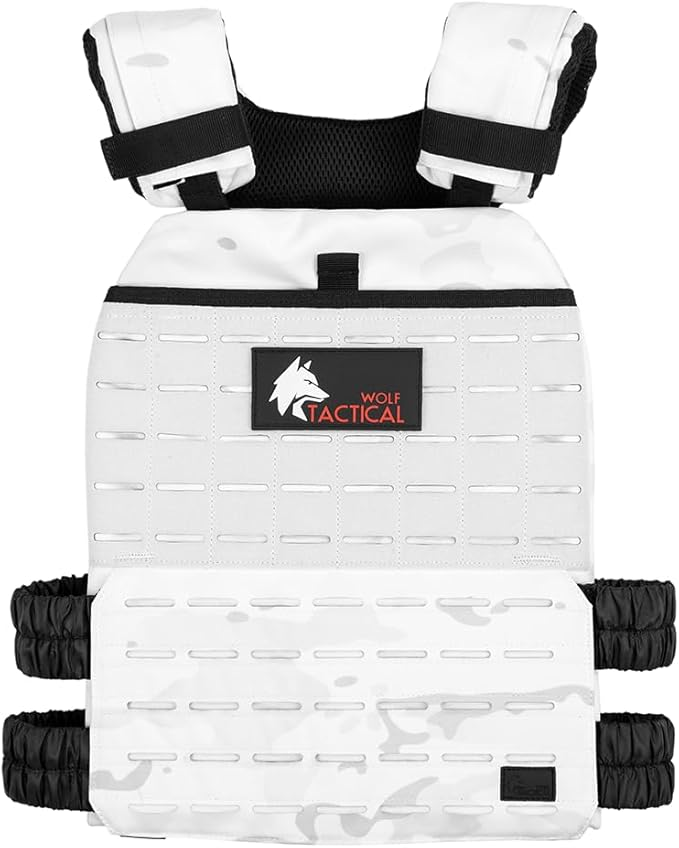
For beginner comfort, consider a reliable weighted vest. The Wolf Tactical Adjustable Weighted Vest is a versatile, beginner-friendly option that balances fit and load distribution.

If you prefer hydration plus carrying ability for longer efforts, consider the CamelBak Motherlode 100oz Mil Spec Crux Hydration Backpack as a durable rucksack option.

Programming and Progression
Progress load by increasing weight or duration by 5–10% per week—choose only one variable at a time. Maintain a base of two to three rucking sessions per week for fat loss while adding one strength session for heavy lifts or bodyweight work. Consistency beats intensity for long-term results.
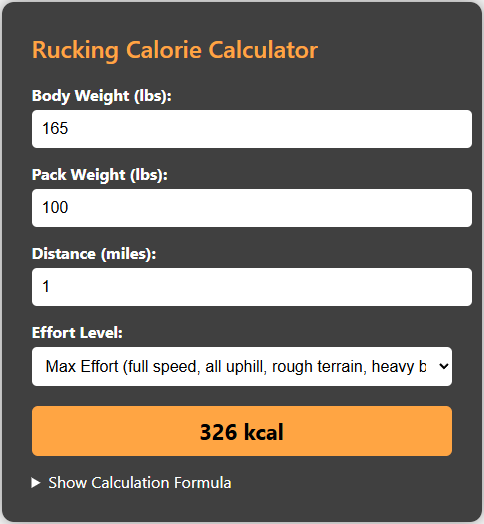
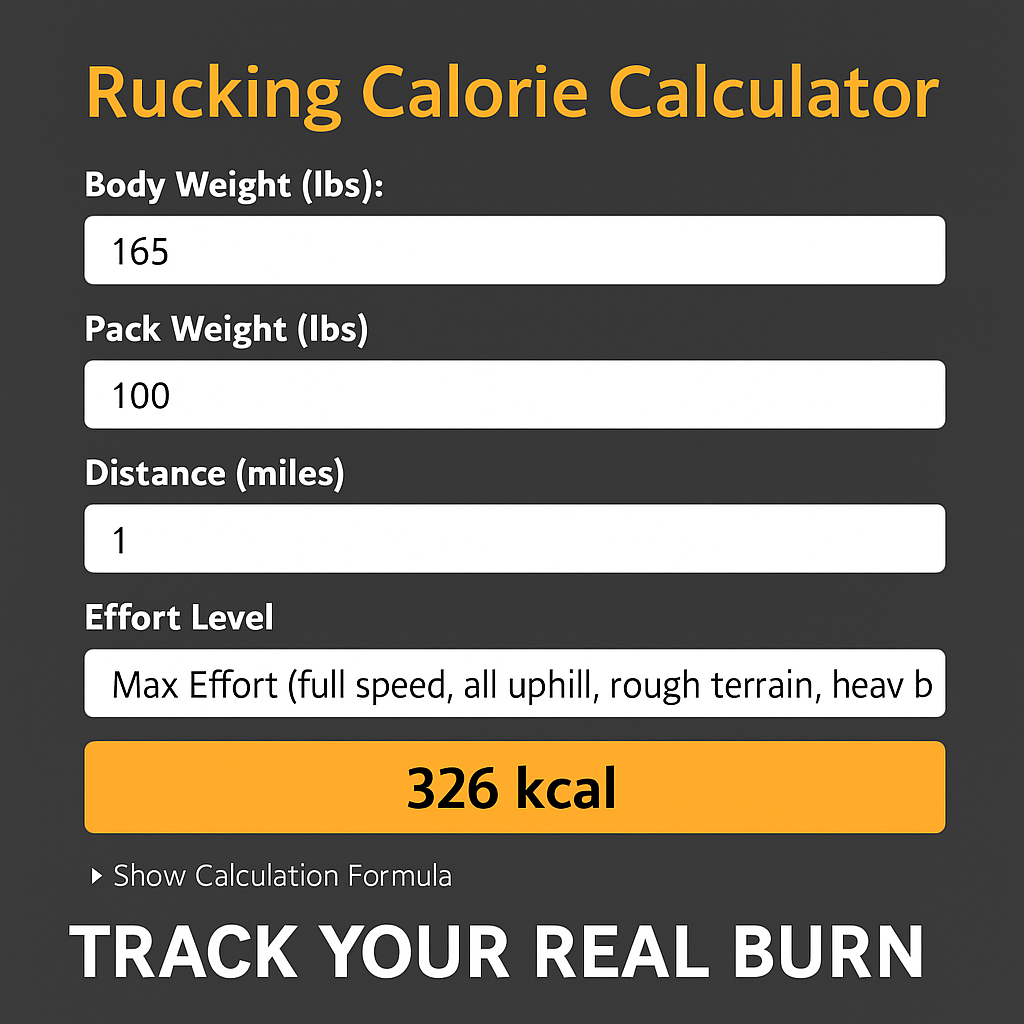
Use the Rucking Calorie Calculator to estimate energy expenditure and plan a sustainable deficit. The calculator helps you gauge burns for vest or backpack rucking and informs daily calorie targets.

Sample Progressions and Workouts
Beginner tempo ruck: 20–30 minutes at brisk walking pace with light load. Focus on consistent cadence and breathing.
Hill repeat session: After warm-up, find a 60–90 second incline and repeat 6–8 times with recovery walk back. Keep load moderate and prioritize form.
Interval ruck: 5 minute brisk ruck, 2 minute easy, repeat 4–6 rounds. This raises heart rate without impact.
Long slow distance: Weekly longer ruck of 60–90 minutes at conversational pace for fat oxidation. Hydrate and pack a small carbohydrate snack for sessions over 75 minutes.
Strength pairing: Choose two compound lifts twice a week, such as deadlift and split squat, or kettlebell swings and loaded carries. Strength work preserves muscle and improves rucking efficiency.
Progress checks: Reassess load and pace every 4 weeks. If walking pace improves with same heart rate, increase load by 5%. If fatigue accumulates, reduce volume for a recovery week.
Behavioral tips: Schedule rucks as appointments, pair with a podcast or friend, and track progress rather than daily weigh-ins. Small consistent deficits and steady activity build habits that last.
Small practical wins compound; rucking rewards patience and steady effort over time. Make it a weekly habit.
Track and Tools
Track rucks and calories on the Rucking app available on Google Play. The app allows you to record weighted-vest and backpack rucks, calculate calories burned, and access a weight loss calculator and gear discounts.

Safety Tips
Pay attention to pain versus fatigue. Stop if you experience sharp joint pain or numbness. Titrate load gradually and use padding or adjust straps to avoid hotspots. Carry water and ID on every ruck, and tell someone your route for longer walks.
Practical Expectations
Expect initial rapid weight changes from water and glycogen shifts, then steady fat loss of about 0.5–1.0% bodyweight per week with consistent training and nutrition. Rucking favors sustainable habits: it’s easy to integrate into daily life, scalable, and builds strength that supports long-term metabolism.
Final Notes
Rucking for women weight loss is practical, scalable, and joint-friendly. Start, keep protein adequate, and track energy with the calculator and app to make progress.