Ruck pace minutes per mile
Ruck pace — measured in minutes per mile — is the backbone of effective weighted-walk training. The pace you hold while carrying a vest or loaded pack determines training stress, energy expenditure, and how you plan intervals or long steady rucks. This guide explains practical pace bands, how to measure them on real routes, and how to use a calorie calculator and the Rucking app to plan progress.
Why pace matters for rucking
When you add external load the effort at a given speed increases predictably. Tracking ruck pace minutes per mile lets you:
- Prescribe workouts (intervals, tempo, long slow distance).
- Estimate calories burned and recovery needs.
- Progress load or speed without guessing.
Practical pace ranges
Use these as starting points — adjust for terrain, load, and fitness. For a 20–40 lb vest or pack on flat ground:
- Easy recovery: 18–22 min/mi — conversation pace, low intended stress.
- Moderate steady: 14–18 min/mi — sustained aerobic workload.
- Brisk/conditioning: 11–14 min/mi — high aerobic demand, good for shorter, intense rucks.
To set accurate targets, measure a known route (a measured mile or GPS track), carry your planned load, and record the time. Repeat every 7–14 days and change one variable at a time: speed, load, or distance.
Estimate calories and track progress
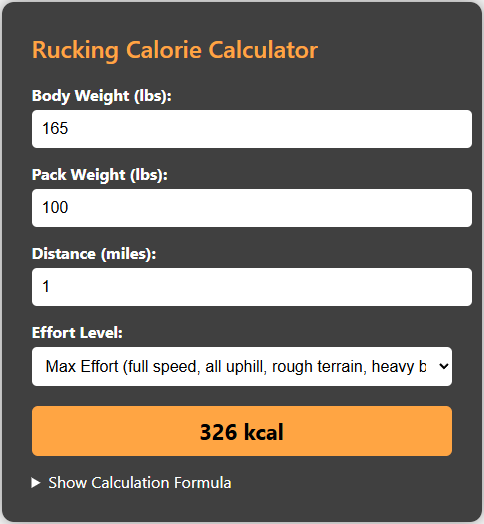
For reliable calorie estimates use the Rucking calorie calculator. It accounts for body weight, ruck or vest load, distance, and pace so you can plan sessions to match fat loss or maintenance goals.

For day-to-day tracking, the Rucking app on Google Play lets you record pace, load, route, and calorie estimates. The app supports weighted vests and backpack rucking, includes a weight-loss calculator, and links to gear and discounts — useful when you want consistent data between sessions.

Gear and a short recommendation
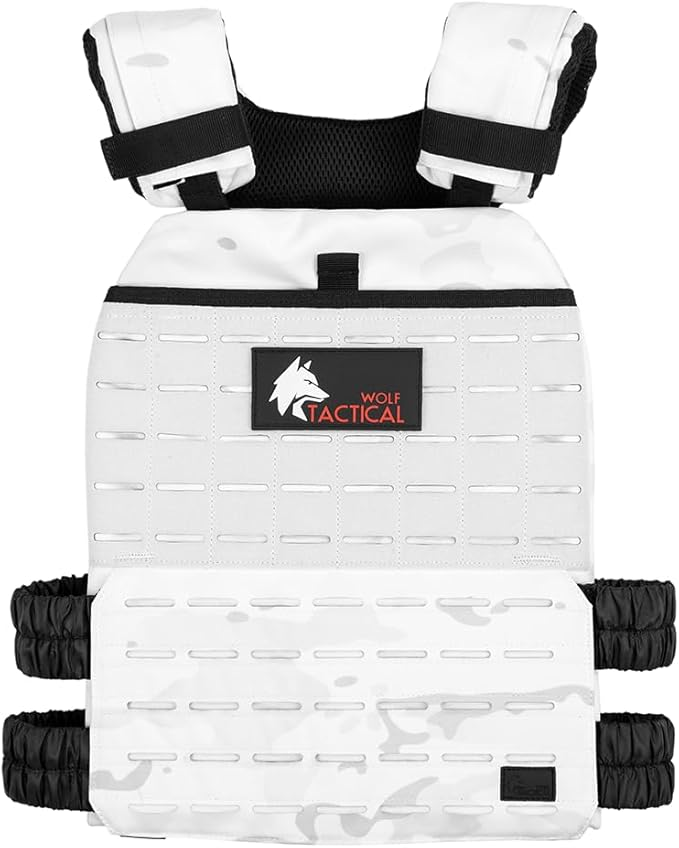
Comfort and fit change your sustainable pace more than a small change in load. For adjustable comfort-friendly vests I often recommend the Wolf Tactical Weighted Vest as a solid beginner-to-intermediate option.

Measure pace on flat and hilly terrain, log with the app, and use the calculator to convert pace and load into calories burned. That combination — steady measurement, conservative progression, and consistent tracking — is how you make measurable, repeatable gains without overreaching.
Quick checklist
- Pick a measured route and load.
- Record time, distance, and perceived effort.
- Use the calorie calculator to estimate burn.
- Track sessions in the Rucking app and adjust pace or load every 1–2 weeks.
Consistent ruck pace minutes per mile is simple data that turns vague training into a repeatable plan. Keep it honest, log it, and let pace guide your progress.